Sabratha Offshore Reef
Overview
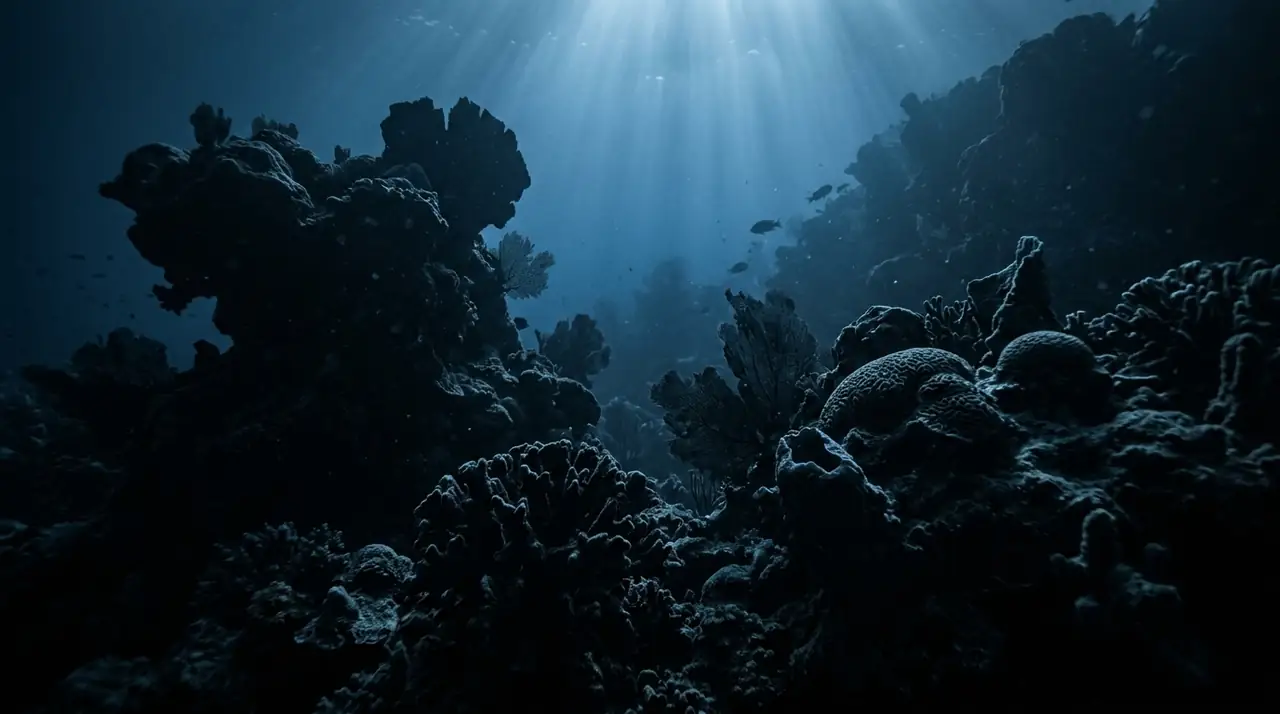
The offshore reef system near Sabratha lies several kilometres from the Libyan coast in open Mediterranean water, far from the submerged Roman columns that give the nearby archaeological site its fame. This is a natural reef of rocky ridges and boulders that has benefited, paradoxically, from decades of political isolation. With virtually no recreational diving and minimal fishing pressure, the marine life here has grown to proportions that would astonish divers accustomed to the depleted reefs of southern Europe. I descended through crystalline water to the reef top at 12 metres and was immediately surrounded by fish. Schools of sea bream and damselfish parted around me like a living curtain. A dusky grouper of staggering size emerged from under a boulder, easily exceeding 60 kilograms, its mottled body moving with the slow confidence of an apex predator in its domain. I saw four more within the first ten minutes, each one bigger than the largest grouper I had encountered anywhere else in the Mediterranean. The reef structure drops in steps from 12 to 28 metres, with each terrace offering different habitats. The upper sections are covered in photosynthetic algae and small corals, while the deeper ledges host dense forests of red gorgonians, their fans oriented perpendicular to the prevailing current. Massive barrel sponges grow in the shadowed gaps between boulders, their rims encrusted with tiny hydroids and bryozoans. Moray eels are abundant, with both common and brown morays sharing the same crevices in an unusual density. Amberjack cruise the blue water beyond the reef edge, occasionally sweeping in to inspect the gorgonian canopy. A John Dory drifted past at 20 metres, its compressed body turning edge-on and nearly disappearing as it aligned with my line of sight. The visibility was extraordinary, easily 30 metres, and the afternoon sun illuminated the reef in shades of amber and gold. Diving here feels like stepping back in time to a Mediterranean that existed before industrial fishing changed everything, a reminder of what these waters can produce when left alone.
Early access
Plan a dive here
Open the DiveOne planner to sketch a recreational plan before you go. It is a planning assistant, not a dive computer.
Marine life
Dive profile
DEPTH PROFILE
DEPTH PROGRESSION & WAYPOINTS: Sabratha Offshore Reef
Location
Frequently asked questions
Is it currently possible to dive in Libya?
Diving in Libya is extremely limited due to ongoing political instability and lack of tourist infrastructure. As of recent years, a small number of experienced operators have arranged expeditions from Tunisia or Malta, but these require extensive local coordination, security arrangements, and are not available as standard tourism packages. Check current travel advisories before planning any trip.
What makes this reef different from the nearby Sabratha Roman ruins dive?
The offshore reef is a natural rocky formation located several kilometres from the coast, distinct from the underwater archaeological site near the Roman city. While the Roman ruins dive focuses on submerged columns and structural remains in shallow water, the offshore reef is a pristine natural ecosystem with dramatic gorgonian growth and large pelagic life, typically dived at greater depths between 15 and 28 metres.
What skill level is required for this site?
Advanced Open Water certification is recommended due to the offshore location, potential currents, and depths reaching 28 metres. The site is far from shore with no shallow bailout options, so solid buoyancy control and experience with boat diving in open water are essential. A surface marker buoy is mandatory given the distance from land.
Reviews
Reviews
No reviews yet
Data Provenance
This profile is compiled from 3 operator submissions and 142 community logs. Key facts (depth, entry) are verified against official hydrographic charts.