Rummu Underwater Quarry
Overview
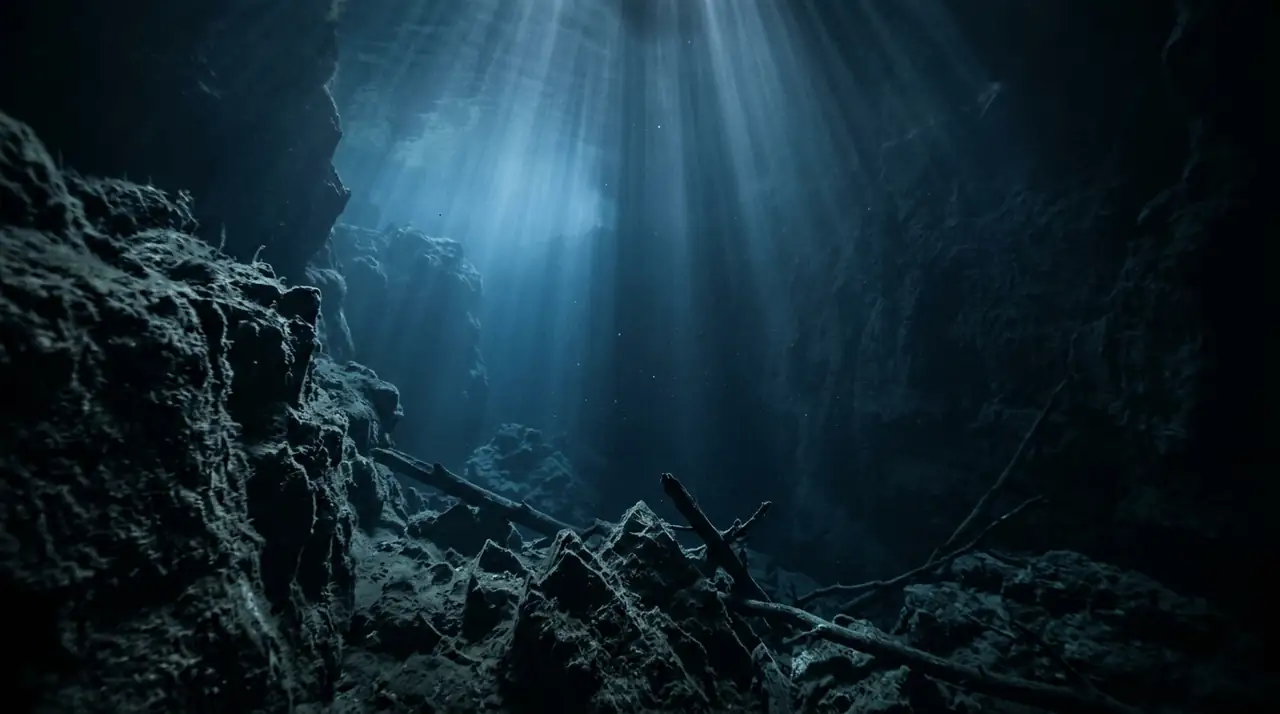
Rummu Quarry is one of Europe's most surreal dive sites, a flooded Soviet-era prison quarry just forty minutes from Tallinn where the remains of buildings, guard towers, and industrial machinery sit preserved beneath turquoise freshwater. The site exists because of a peculiar chain of events: during the Soviet occupation, prisoners from the Rummu camp were forced to quarry limestone here, and massive pumps kept the pit dry. When the Soviet Union collapsed and the prison closed in 1991, the pumps stopped, and groundwater slowly reclaimed everything the prisoners had built. I walked down the gentle limestone slope on a June morning, the water a striking shade of turquoise against the white quarry walls. At barely two meters deep, the first structures appeared: concrete foundations and low walls of what were once prison workshops. The clarity was remarkable, around twelve meters of visibility, and the pale limestone bottom reflected light upward, giving everything an ethereal glow. Descending to six meters, I reached the main cluster of submerged buildings. A partially collapsed guard structure stood with its walls still vertical, windows and doorways framing views of the quarry beyond. The concrete is surprisingly well preserved in the cold freshwater, and details like metal fittings, pipe installations, and electrical conduit remain visible. It genuinely feels like swimming through a drowned village that was abandoned yesterday rather than three decades ago. The quarry floor at twelve to fifteen meters holds the most impressive finds. Industrial equipment, including sections of conveyor systems and concrete mixing machinery, sits exactly where it was left when the waters rose. A set of concrete stairs descends into the deepest section, leading to nowhere in particular but creating an impossibly photogenic composition against the blue water above.
Early access
Plan a dive here
Open the DiveOne planner to sketch a recreational plan before you go. It is a planning assistant, not a dive computer.
Marine life
Dive profile
DEPTH PROFILE
DEPTH PROGRESSION & WAYPOINTS: Rummu Underwater Quarry
Location
Frequently asked questions
What is the history behind Rummu Quarry?
Rummu Quarry was a limestone quarry operated by prisoners from the adjacent Rummu Soviet prison camp during the Soviet occupation of Estonia. After the Soviet Union collapsed and the prison closed in the early 1990s, the pumps that kept the quarry dry were shut off, and groundwater gradually flooded the site. The rising water submerged the prison buildings, guard structures, and industrial equipment, creating the unique underwater landscape visible today.
Is Rummu Quarry suitable for beginners?
Yes, Rummu is excellent for beginners and newly certified divers. The maximum depth is around 15 meters, there are no currents, and entry is easy from the shore via a gentle slope into the water. Visibility is generally good, especially in early summer. The submerged structures begin at very shallow depths, so even snorkelers can appreciate the ruins. That said, water temperatures require appropriate thermal protection, and a drysuit is recommended outside of peak summer months.
Do I need special permits to dive at Rummu?
Rummu Quarry operates as a commercial recreation area during summer months with an entrance fee for visitors. Diving is permitted during operating hours and divers should check current access rules as they can change seasonally. Several local dive shops in Tallinn organize trips to Rummu and can handle logistics. Outside of official operating hours, access may be restricted, and diving without authorization is not recommended.
Reviews
Reviews
No reviews yet
Data Provenance
This profile is compiled from 3 operator submissions and 142 community logs. Key facts (depth, entry) are verified against official hydrographic charts.