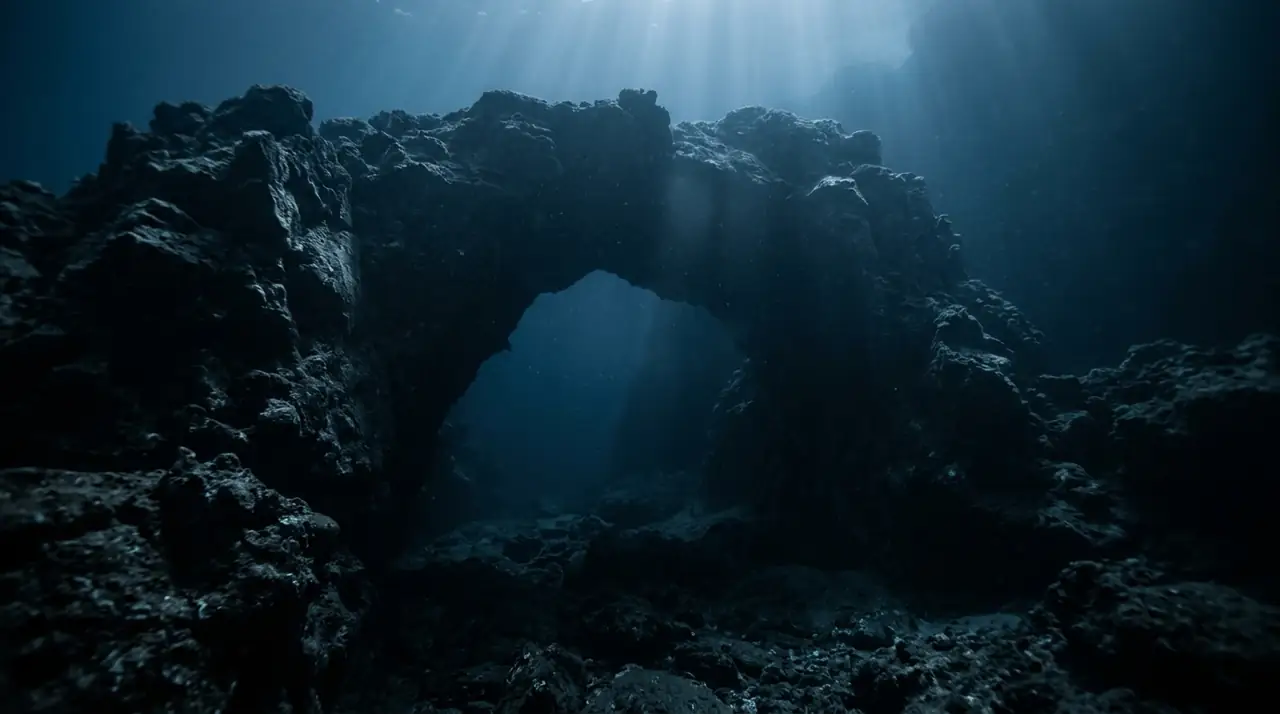
Roma
Overview
Roma is the signature wall dive off Tomia island in the Wakatobi archipelago of southeast Sulawesi, a UNESCO Biosphere Reserve that harbors some of the healthiest and most biodiverse coral reef systems remaining in Southeast Asia. The site takes its name from a local village and delivers a diving experience that showcases why scientists have consistently ranked Wakatobi's reefs among the richest on Earth. The dive begins on a reef flat so healthy it almost defies description. The shallow zone between 3 and 10 meters features hard coral coverage approaching 90 percent, with an extraordinary diversity of species crammed into every square meter. Table corals, branching Acropora, massive Porites bommies, brain corals, and plate corals form a mosaic of shapes and textures. This reef top alone would rank as an exceptional dive site, but at Roma it is merely the prelude to the wall below. The wall begins at around 10 to 12 meters and drops vertically beyond recreational limits, with the most visually spectacular section between 15 and 35 meters. Here, enormous gorgonian sea fans span two meters or more across, their latticed purple and red frames angling outward from the wall face to catch the gentle current. Between the fans, massive barrel sponges in deep burgundy tones punctuate the wall, while colonies of black coral, whip corals, and soft corals fill every available space. The overall effect is of a vertical garden of extraordinary richness and color. The wall's inhabitants match the setting. Pygmy seahorses -- among the most sought-after macro subjects in diving -- inhabit several of the larger gorgonian fans, their tiny bodies perfectly camouflaged against the coral lattice. Hawksbill turtles glide along the wall edge, pausing to feed on sponges. Napoleon wrasse cruise past with regal composure, and banded sea snakes descend the wall in sinuous hunting patterns. Leaf scorpionfish perch motionless on coral ledges, and giant frogfish occasionally appear among the sponge colonies. The reef flat at the end of the dive offers its own rewards. The rubble zone at the base of the coral gardens is home to mandarin fish, which emerge in pairs at dusk to perform their mating dance among the dead coral branches. Octopuses shift color and texture as they move across the reef, cuttlefish hover in mid-water displaying hypnotic patterns, and mantis shrimp peer from their burrows with enormous compound eyes. Roma exemplifies what protected reef status can achieve. Within Wakatobi National Park, destructive fishing practices have been curtailed, and the results are visible in the extraordinary health of the coral and the abundance of marine life. Visibility regularly exceeds 30 meters, often reaching 40, providing unobstructed views of one of the most beautiful underwater landscapes in Indonesia.
Early access
Plan a dive here
Open the DiveOne planner to sketch a recreational plan before you go. It is a planning assistant, not a dive computer.
Marine life
Dive profile
DEPTH PROFILE
DEPTH PROGRESSION & WAYPOINTS: Roma
Location
Frequently asked questions
What makes Roma different from other Wakatobi dive sites?
Roma is widely considered the premier wall dive off Tomia island. What sets it apart is the combination of a dramatic vertical wall festooned with enormous gorgonian sea fans and the exceptionally healthy hard coral gardens on the reef top. Scientific surveys have recorded over 400 coral species in the Wakatobi region, and Roma exemplifies this diversity. The wall drops beyond 60 meters, providing a stunning backdrop of deep blue water behind the colorful reef life.
Is Wakatobi National Park good for macro diving?
Absolutely. While Roma is known for its wall and coral scenery, the site also offers outstanding macro diving. Pygmy seahorses inhabit the gorgonian fans on the wall, mandarin fish emerge at dusk in the rubble zones, and the reef supports a rich variety of nudibranchs, cuttlefish, and crustaceans. Wakatobi's protected status means the reefs are healthier than most in Indonesia, supporting higher densities of both macro and larger marine life.
How do I get to Wakatobi?
Wakatobi has its own airport on Wangi-Wangi island with flights from Makassar and Kendari. From Wangi-Wangi, boats connect to the other islands including Tomia. The Wakatobi Dive Resort on Tomia operates a private charter flight from Bali. Several other dive resorts and homestays operate on Tomia and Wangi-Wangi. Liveaboards also visit the region, though less frequently than Raja Ampat or Komodo routes.
Reviews
Reviews
No reviews yet
Data Provenance
This profile is compiled from 3 operator submissions and 142 community logs. Key facts (depth, entry) are verified against official hydrographic charts.