Robinson Crusoe Island (SMS Dresden)
Overview
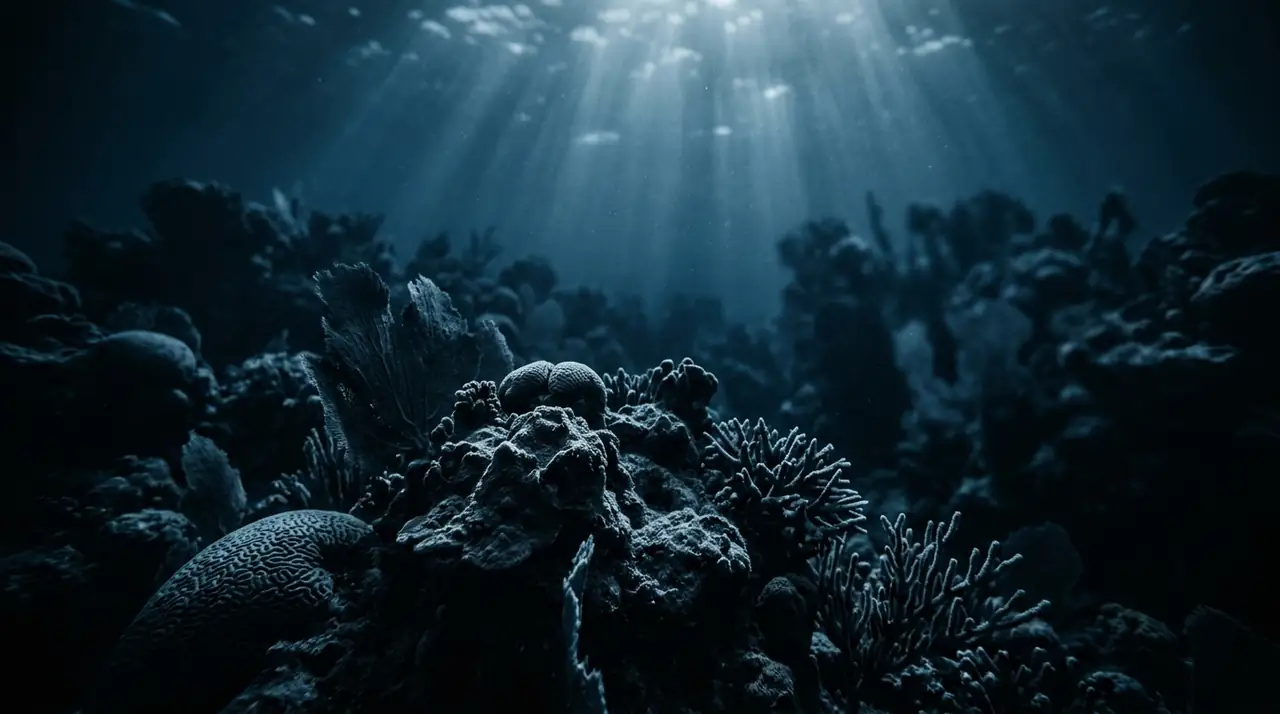
Robinson Crusoe Island, the largest of Chile's remote Juan Fernandez Archipelago, is named after the literary castaway but holds a far more dramatic real history beneath its waters. Located approximately 670 kilometres off the Chilean coast, this volcanic island is perhaps best known among divers for the wreck of SMS Dresden, a German World War I light cruiser that met its end in Cumberland Bay in March 1915. The SMS Dresden had been the sole survivor of the German East Asia Squadron's defeat at the Battle of the Falkland Islands. For three months, she evaded British warships across the Pacific before being tracked to Cumberland Bay. Cornered by HMS Kent and HMS Glasgow, the German captain chose to scuttle his ship rather than surrender. The wreck now lies on the bay floor, a poignant historical time capsule from the early days of modern naval warfare. Beyond the wreck, Robinson Crusoe Island offers diving that is biologically extraordinary. The Juan Fernandez Archipelago has one of the highest rates of marine endemism anywhere on Earth, meaning a remarkably high percentage of the species you encounter here live nowhere else. The Juan Fernandez fur seal, once hunted to the brink of extinction and believed lost, was rediscovered and now has a recovering population around the islands. Diving with these rare pinnipeds is a highlight that few people on Earth have experienced. The underwater terrain is volcanic, with dramatic rock formations, walls dropping from 25 to 45 metres, and boulder fields covered in anemones and kelp. Visibility ranges from 15 to 30 metres, best during the calmer summer months from October to March. Water temperatures swing from 14 to 21 degrees Celsius, requiring adequate thermal protection. Diving infrastructure on Robinson Crusoe Island is minimal, reflecting its tiny population of about 900 people in San Juan Bautista. Advance planning is essential, and divers should be self-sufficient and comfortable with limited support. But for those willing to make the journey, the combination of a WWI warship wreck, endemic marine species, and the sheer romantic isolation of Alexander Selkirk's island creates a dive experience that exists nowhere else on Earth.
Early access
Plan a dive here
Open the DiveOne planner to sketch a recreational plan before you go. It is a planning assistant, not a dive computer.
Marine life
Dive profile
DEPTH PROFILE
DEPTH PROGRESSION & WAYPOINTS: Robinson Crusoe Island (SMS Dresden)
Location
Near San Juan Bautista, in the Juan Fernandez Archipelago region of Chile.
Frequently asked questions
What is the SMS Dresden wreck at Robinson Crusoe Island?
SMS Dresden was a German light cruiser that played a significant role in World War I's naval campaign in the South Pacific. After the Battle of the Falkland Islands in December 1914, the Dresden evaded British pursuit for months before being cornered in Cumberland Bay at Robinson Crusoe Island in March 1915. Rather than surrender, the German crew scuttled the ship. The wreck now lies at various depths in Cumberland Bay.
How remote is Robinson Crusoe Island?
Robinson Crusoe Island lies approximately 670 kilometres off the Chilean coast in the Juan Fernandez Archipelago. Access is by small aircraft from Santiago, with flights taking about two hours. The island has a tiny settlement of around 900 people at San Juan Bautista. Dive infrastructure is limited, and advance arrangements are essential. The remoteness is precisely what has preserved its extraordinary endemic marine life.
What makes the marine life at Robinson Crusoe Island unique?
The Juan Fernandez Archipelago has one of the highest rates of marine endemism on the planet, with over 90 percent of some species groups found nowhere else. The Juan Fernandez fur seal was hunted to near extinction and was once thought to be extinct before a small colony was rediscovered. The Juan Fernandez lobster supports a small sustainable fishery and is found only in these waters.
Reviews
Reviews
No reviews yet
Data Provenance
This profile is compiled from 3 operator submissions and 142 community logs. Key facts (depth, entry) are verified against official hydrographic charts.