Recife Shipwreck Corridor
Overview
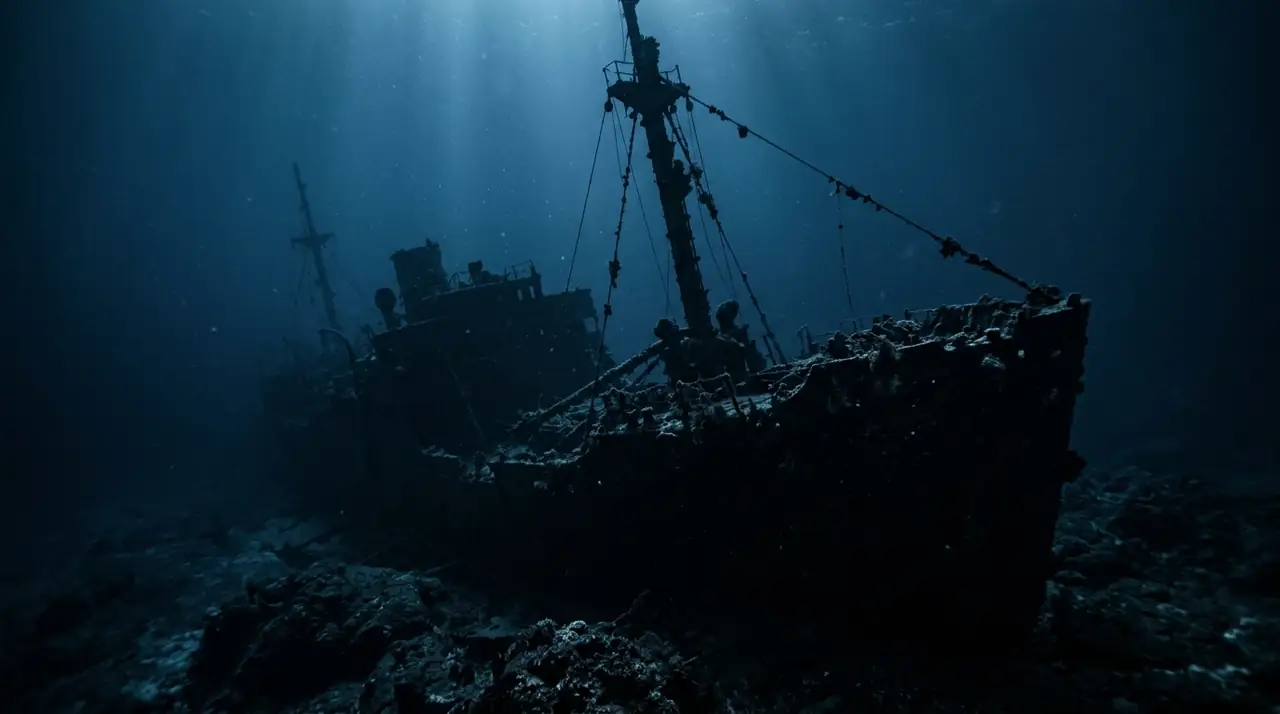
Recife earned its name from the natural reef line that parallels its coast, and that same shallow limestone barrier has been claiming ships since Portuguese caravels first navigated these waters in the 1500s. Today, the capital of Pernambuco sits atop one of the densest concentrations of shipwrecks in the Atlantic. Over 100 documented vessels rest along this stretch of coast, creating a wreck diving corridor that spans four centuries of maritime history in warm tropical water. The dive boats depart from Recife's harbour, passing the historic centre of Olinda with its colonial churches before turning toward the offshore wreck sites. Most lie within 20 minutes of the marina, clustered along the outer reef edge where currents bring nutrients and clear water meets the murky inshore zone. I descended on the Vapor de Recife, a 19th-century iron steamship resting upright at 25 metres. The tropical colonisation is extraordinary. Every square centimetre of metal hosts life. Barrel sponges the size of bathtubs grow from deck plates. Sea fans wave from davits and railings. The boilers, still recognisably industrial, now serve as apartments for nurse sharks that rest in their shadows during daytime, unperturbed by divers. Moving along the hull, hawksbill turtles fed on sponges growing from the wreck's flanks. A school of Atlantic spadefish hovered over the stern in a shimmering curtain. The warm water, never dropping below 26 degrees, means exposure protection is minimal and air consumption low, allowing long exploratory dives of 50 minutes or more. The diversity of wrecks is Recife's true strength. Portuguese colonial vessels lie in fragments on the reef. World War Two torpedoed freighters rest in deeper water with intact cargo holds. Purpose-sunk artificial reefs provide newer structures being rapidly colonised. A week of diving here barely scratches the surface of what lies beneath these historic waters. The wreck corridor tells the story of Brazil's maritime history while simultaneously demonstrating nature's relentless ability to reclaim human constructions.
Early access
Plan a dive here
Open the DiveOne planner to sketch a recreational plan before you go. It is a planning assistant, not a dive computer.
Marine life
Dive profile
DEPTH PROFILE
DEPTH PROGRESSION & WAYPOINTS: Recife Shipwreck Corridor
Location
Frequently asked questions
Why are there so many shipwrecks off Recife?
Recife's extraordinary concentration of shipwrecks results from its historical importance as Brazil's primary sugar and slave trade port from the 16th century onwards. The shallow reefs that give the city its name (recife means reef in Portuguese) created natural hazards for sailing vessels, and centuries of maritime traffic through this narrow coastal passage inevitably produced losses from storms, navigational errors, and warfare. During World War Two, additional vessels were sunk by German U-boats operating in the South Atlantic. The result is over 100 documented wrecks spanning Portuguese caravels to modern cargo ships.
What are the most popular wreck dives accessible to recreational divers?
The most dived wrecks include the Vapor de Recife, a 19th-century steamship at 25 metres with excellent marine life colonisation; the Pirapama, a Brazilian coastal freighter at 22 metres with intact superstructure; and the Servemar X, a modern tugboat sunk as an artificial reef at 28 metres. For deeper experienced divers, the World War Two era wrecks like the torpedoed freighter Baependi at 30 metres offer more challenging penetration. Several shallower wrecks at 12 to 15 metres suit Open Water certified divers and provide excellent macro photography opportunities.
What is the best time of year for wreck diving in Recife?
The dry season from October to March offers the best diving conditions with calmer seas, warmer water temperatures of 28 to 30 degrees Celsius, and visibility reaching 15 to 20 metres. The rainy season from April to September brings increased river runoff that reduces visibility significantly, sometimes to under 5 metres, and rougher sea conditions can prevent boat access to offshore wrecks. January and February typically provide peak conditions. Dive operators run year-round but may cancel trips during heavy rain periods when visibility drops below safe limits.
Reviews
Reviews
No reviews yet
Data Provenance
This profile is compiled from 3 operator submissions and 142 community logs. Key facts (depth, entry) are verified against official hydrographic charts.