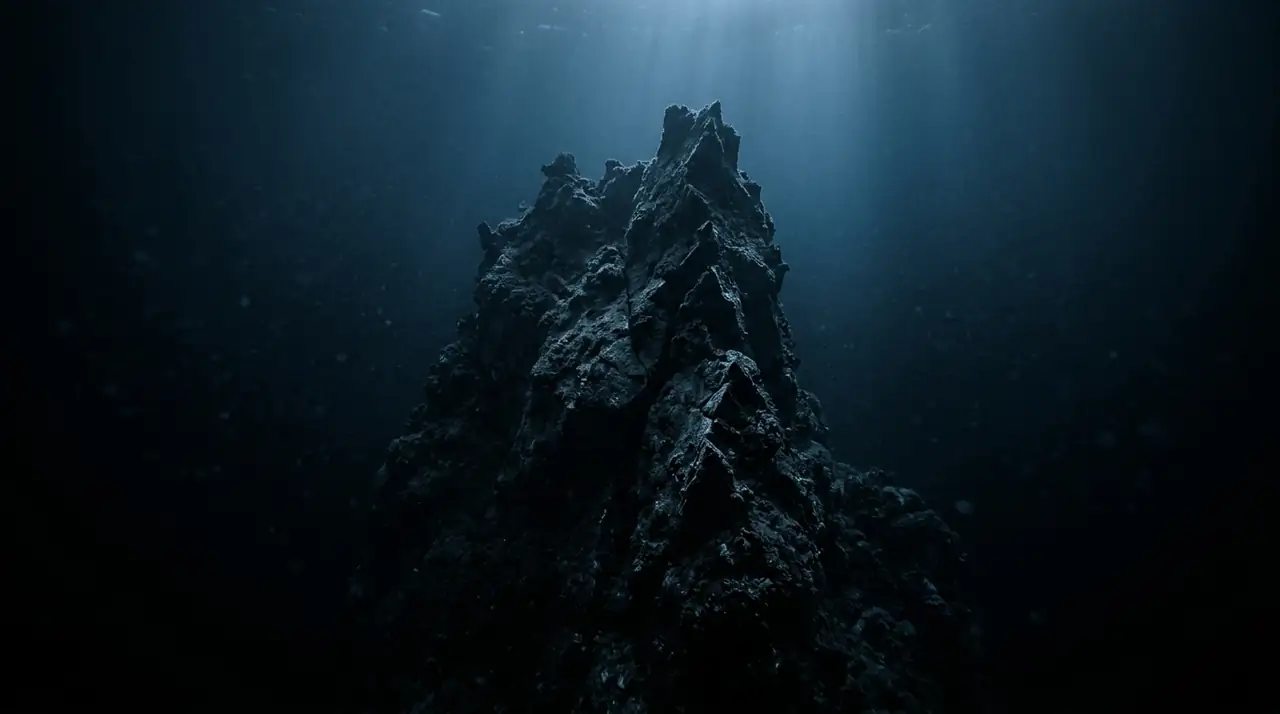
Rah Island
Overview
Rah Island sits in the Banks Islands chain of Vanuatu's remote Torba Province, a volcanic speck in the western Pacific where traditional Melanesian life continues largely undisturbed and the surrounding reefs remain among the least explored in the tropical Indo-Pacific. There are no dive shops here, no resort infrastructure, and no regular visitors. What exists is a pristine coral ecosystem managed through centuries-old customary practices, where dugongs still graze seagrass meadows and reef walls drop unexplored into blue Pacific depths. Reaching Rah required a small aircraft to Sola, then two hours by open boat across the strait between Vanua Lava and the Banks group. The island community received us with characteristic Melanesian warmth, and the chief granted permission to dive the outer reef after we explained our intentions and offered a contribution to the community fund. The western reef begins with a seagrass meadow in three to six metres where the local guide indicated dugongs feed most mornings. On our first snorkel, we encountered one at the meadow edge, a grey shape the size of a large sofa hovering over the grass, its rounded tail distinguishing it immediately from the turtles also present. It surfaced for a breath, regarded us briefly with small dark eyes, and resumed grazing. The encounter lasted eight minutes before it moved into deeper water. The outer wall on the northern face of the island provided the diving revelation. Dropping from the reef crest at five metres, the wall plunges vertically to beyond forty metres, and the coral coverage was staggering. Massive table corals extended from the wall at every depth, their surfaces pristine and unbroken. Soft corals in orange and purple draped every overhang. The fish density was extraordinary, with large Napoleon wrasses at multiple points, bumphead parrotfish in schools of thirty, and grey reef sharks cruising the wall edge in numbers suggesting they had never been hunted or harassed. At twenty-five metres I paused at an overhang where the entire ceiling was alive with soft coral and the wall below disappeared into indigo depths. A school of barracuda held station in the blue beyond the reef edge, their silver bodies catching what light reached this depth. The absence of any evidence of human impact was absolute. No broken coral, no fishing line, no anchor chains, no other divers. The tabu system that protects these reefs has operated for generations, and its effectiveness is visible in every direction. The reef around Rah resembles what scientists describe as a baseline ecosystem, marine life at the density and size structure that existed before modern fishing pressure. Diving here is a privilege mediated through community permission, and it offers a glimpse of what all tropical reefs once looked like. Rah Island is not a dive destination in any conventional sense. It is an expedition experience requiring planning, self-sufficiency, and cultural sensitivity. What it offers in return is diving without precedent in my experience: genuinely unexplored walls, megafauna encounters, and the humbling realization of what protection through traditional stewardship can achieve.
Early access
Plan a dive here
Open the DiveOne planner to sketch a recreational plan before you go. It is a planning assistant, not a dive computer.
Marine life
Dive profile
DEPTH PROFILE
DEPTH PROGRESSION & WAYPOINTS: Rah Island
Location
Frequently asked questions
How do I get to Rah Island and is there any dive infrastructure?
Rah Island is in Vanuatu's remote Torba Province. The nearest airstrip is at Sola on Vanua Lava island, reached by small aircraft from Port Vila or Luganville. From Sola, a boat transfer of approximately two hours reaches Rah Island. There are no dive shops or commercial dive operators on Rah. Diving requires bringing all equipment and arranging local boat support through the island community or visiting with a liveaboard vessel that includes Torba Province in its itinerary. This is genuinely expedition-style diving requiring self-sufficiency.
Can I really see dugongs at Rah Island?
The waters around Rah Island and the nearby Banks Islands are one of the last remaining habitats for dugongs in Melanesia. Local communities protect dugongs through traditional tabu customs and sightings are possible in the seagrass beds on the island's western side. Encounters are not guaranteed but are more likely here than almost anywhere else in the South Pacific. Dugongs are shy and best approached with snorkel gear rather than scuba to avoid bubble noise. Local guides know the animals' regular grazing areas and timing.
What is the tabu system and how does it affect diving?
The tabu system is a traditional Melanesian practice of declaring certain reef areas off-limits to fishing and harvesting for periods of time, allowing marine resources to recover. On Rah and surrounding islands, community chiefs designate tabu areas which function as de facto marine reserves. Before diving, visitors must seek permission from the local chief and respect any tabu boundaries. This system has protected reef health far more effectively than many formal marine parks. A small contribution to the community for reef access is expected and appropriate.
Reviews
Reviews
No reviews yet
Data Provenance
This profile is compiled from 3 operator submissions and 142 community logs. Key facts (depth, entry) are verified against official hydrographic charts.