Punta Campanella Marine Reserve
Overview
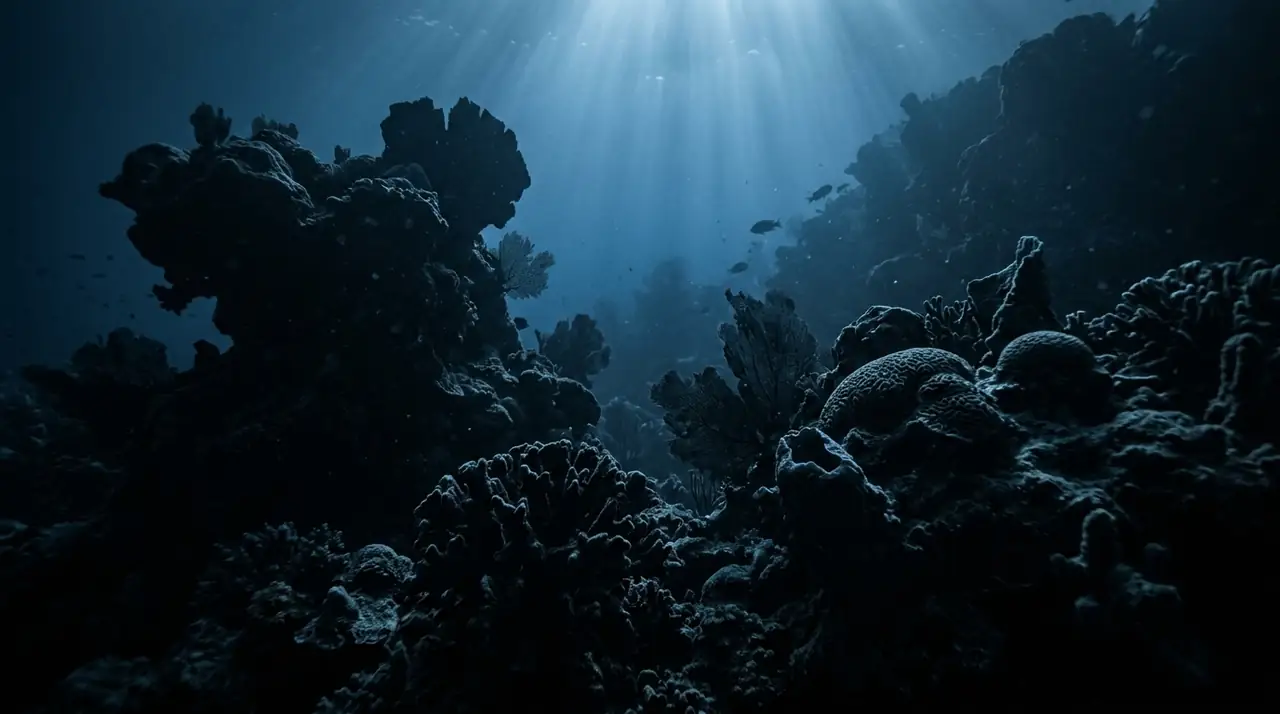
Punta Campanella is where the Sorrentine Peninsula reaches its dramatic conclusion, a limestone headland plunging into the Tyrrhenian Sea with the island of Capri floating tantalisingly close across a narrow strait. Since 1997, the waters here have been protected as a marine reserve, and the diving combines vertical Mediterranean walls, rich marine life, and scattered evidence of two thousand years of maritime history in one compact, spectacular area. Dive boats depart from the small harbours of Massa Lubrense or Nerano, motoring along cliffsides that define the border between the Bay of Naples and the Amalfi Coast. The journey itself is stunning. Limestone cliffs rise vertically, punctuated by caves and the occasional villa perched impossibly on rock faces. Capri fills the southern horizon. I descended at Scoglio del Vervece, a submerged pinnacle in the protected Zone A. The wall dropped sheer from 5 metres to beyond 40, covered in yellow gorgonian fans and patches of precious red coral in the deeper sections. The marine life density immediately communicated protection. Dusky groupers of significant size held position at multiple cleaning stations, unperturbed by divers. Mediterranean barracuda schooled in formations of 50 or more along the wall edge. At the base of the wall, ancient lead anchor stocks rested on the sand. These two-thousand-year-old Roman artefacts sit undisturbed among the sea fans, a reminder that humans have navigated this headland since the Greeks dedicated it to Athena. Fragments of amphorae scatter the deeper sand, each one a silent testament to trade routes that once connected Rome to its empire. The Posidonia seagrass meadows in shallower zones were dense and healthy, alive with juvenile fish and cuttlefish hovering above the blades. Octopuses emerged to hunt as afternoon light softened. The combination of geological drama, Mediterranean biodiversity at its finest, ancient history, and the incomparable beauty of the Amalfi Coast backdrop makes Punta Campanella unique in European diving. This is not merely a dive site but a living museum where natural and human history merge.
Early access
Plan a dive here
Open the DiveOne planner to sketch a recreational plan before you go. It is a planning assistant, not a dive computer.
Marine life
Dive profile
DEPTH PROFILE
DEPTH PROGRESSION & WAYPOINTS: Punta Campanella Marine Reserve
Location
Frequently asked questions
What permits are needed to dive in the Punta Campanella Marine Reserve?
Diving in Punta Campanella Marine Reserve requires advance authorisation from the park authority. Zone A, the fully protected core area, is accessible only with authorised dive centres that hold annual permits. Zone B allows diving with notification to the park office. Dive centres in Sorrento, Massa Lubrense, and Nerano hold permits and handle all bureaucracy for visiting divers. Independent diving without a permitted centre is not allowed in Zone A. Fees apply and contribute to reef monitoring and enforcement. Booking through a local centre at least 24 hours in advance is recommended during summer.
Can I combine diving with visiting the Amalfi Coast and Capri?
Absolutely. Punta Campanella sits at the exact geographical junction between the Sorrentine Peninsula, the Amalfi Coast, and the island of Capri, which lies just 5 kilometres offshore. Most divers base themselves in Sorrento or Massa Lubrense and combine morning dives with afternoon exploration of Positano, Amalfi, or Capri. The ferry to Capri from Sorrento takes 20 minutes. The diving calendar also aligns perfectly with the tourist season, making it easy to include diving in a broader Italian coastal holiday.
What are the Roman ruins that can be seen while diving?
The waters around Punta Campanella have been navigated since at least the 7th century BC, and Roman-era artefacts are scattered throughout the dive sites. Divers can observe ancient lead anchor stocks, fragments of amphorae, and structural remains of what may have been a Roman fish farm or harbour installation. The point itself was sacred to the Romans and Greeks, dedicated to Athena and later the sirens of Homeric legend. While artefacts cannot be touched or removed, their presence alongside Mediterranean marine life adds a historical dimension unique to this area.
Reviews
Reviews
No reviews yet
Data Provenance
This profile is compiled from 3 operator submissions and 142 community logs. Key facts (depth, entry) are verified against official hydrographic charts.