Langkawi - Pulau Payar
Overview
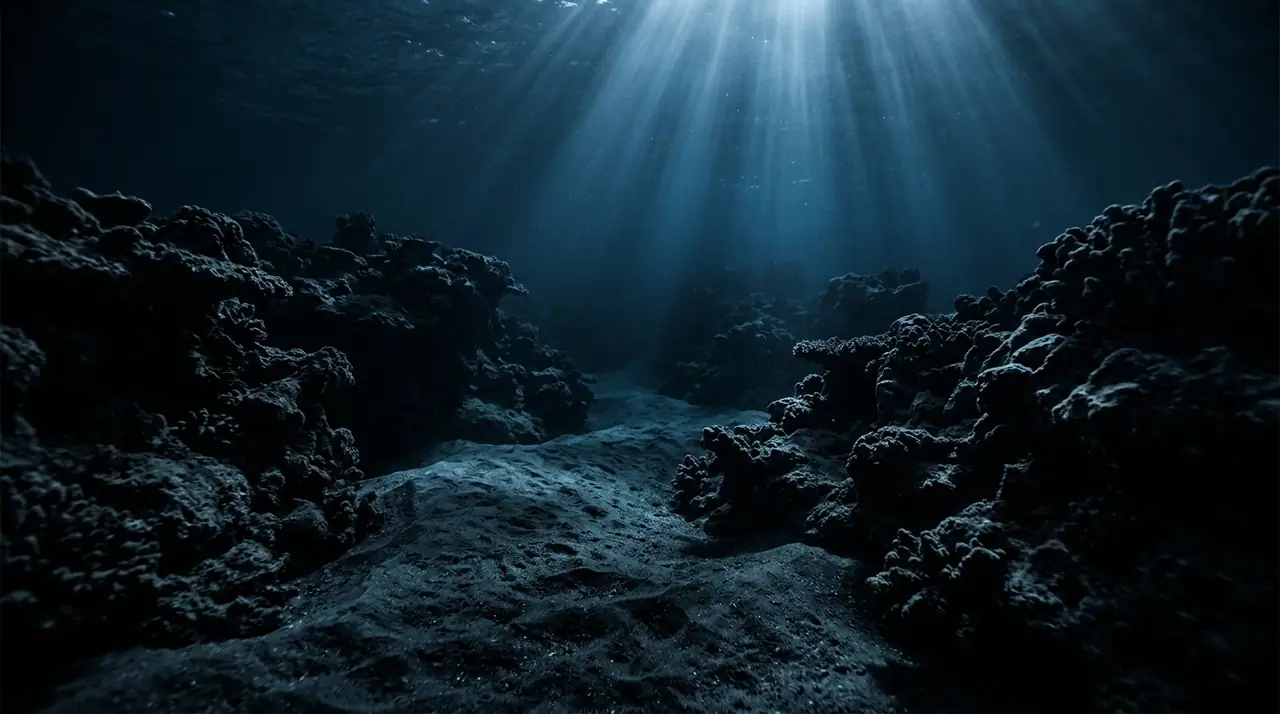
Pulau Payar Marine Park holds the distinction of being Malaysia's oldest marine park sanctuary, a cluster of four small islands located 35 kilometers south of Langkawi in the northern Strait of Malacca. Encompassing Pulau Payar, Pulau Kaca, Pulau Lembu, and Pulau Segantang, this protected area offers the most accessible diving and snorkeling experience in the Langkawi region, with shallow coral gardens, juvenile reef sharks, and an abundance of marine life that makes it an ideal introduction to Malaysia's underwater world. The diving at Pulau Payar unfolds across gentle reef slopes that extend from just below the surface to a maximum depth of approximately 18 meters. The Coral Garden, the park's most popular dive site, features a gradually sloping reef covered in hard coral formations including brain corals, staghorn patches, and mushroom corals. The overall depth is modest, with most of the best marine life concentrated between 5 and 15 meters, making this genuinely accessible territory for new divers. What Pulau Payar may lack in dramatic depth, it compensates for with charismatic marine encounters. Juvenile blacktip reef sharks are a signature sighting, often cruising the shallows in small groups that thrill divers and snorkelers alike. Bamboo sharks rest in sandy patches beneath coral heads, and giant groupers of impressive size lurk in the reef's larger crevices. The reef fish community is diverse and healthy, with angelfish, butterflyfish, parrotfish, and clownfish present in good numbers across the coral gardens. The marine park's protective regulations have proven effective. Fishing is prohibited within the park boundaries, and visitor numbers are increasingly managed, with recent measures limiting access to preserve the reef ecosystem. The result is notably healthier coral coverage and more confident marine life compared to unprotected reefs in the region. Pulau Segantang, the most remote island in the group at 13 kilometers west of Pulau Payar, offers a different diving experience with steeper rocky terrain dropping to 20 meters and stronger currents that attract larger fish species. However, access to Segantang requires calmer sea conditions and is less frequently visited. For visitors to Langkawi seeking a marine adventure, Pulau Payar delivers a reliable and rewarding experience. The combination of protected waters, shallow accessible reefs, shark encounters, and easy boat access from one of Malaysia's most popular tourist islands makes it a standout destination for beginners and snorkelers, while still offering enough variety to engage experienced divers.
Early access
Plan a dive here
Open the DiveOne planner to sketch a recreational plan before you go. It is a planning assistant, not a dive computer.
Marine life
Dive profile
DEPTH PROFILE
DEPTH PROGRESSION & WAYPOINTS: Langkawi - Pulau Payar
Location
Frequently asked questions
Is Pulau Payar good for beginner divers?
Pulau Payar is one of the best destinations for beginner divers in Malaysia. The shallow reef areas between 5 and 12 meters have mild currents and warm water, making it ideal for newly certified divers and even discovery dive programs. The marine park offers a controlled environment where beginners can enjoy close encounters with reef sharks and abundant reef fish in relaxed conditions.
How do I get to Pulau Payar from Langkawi?
Pulau Payar Marine Park is located 35 kilometers south of Langkawi Island. High-speed catamarans and speedboats depart daily from the Langkawi Jetty Point, with the journey taking approximately 45 minutes to 1 hour. Most operators offer combined snorkeling and diving packages. The marine park limits visitor numbers to protect the reef, so booking in advance during peak season is recommended.
When is the best time to visit Pulau Payar?
The best diving and snorkeling conditions at Pulau Payar are from November to April during the dry season, when visibility can reach 15 to 20 meters and seas are calmest. The marine park is open year-round, though the June to September period can bring reduced visibility and choppier conditions due to the southwest monsoon. The park has begun limiting visitors to protect biodiversity.
Reviews
Reviews
No reviews yet
Data Provenance
This profile is compiled from 3 operator submissions and 142 community logs. Key facts (depth, entry) are verified against official hydrographic charts.