Pulau Dayang Bunting
Overview
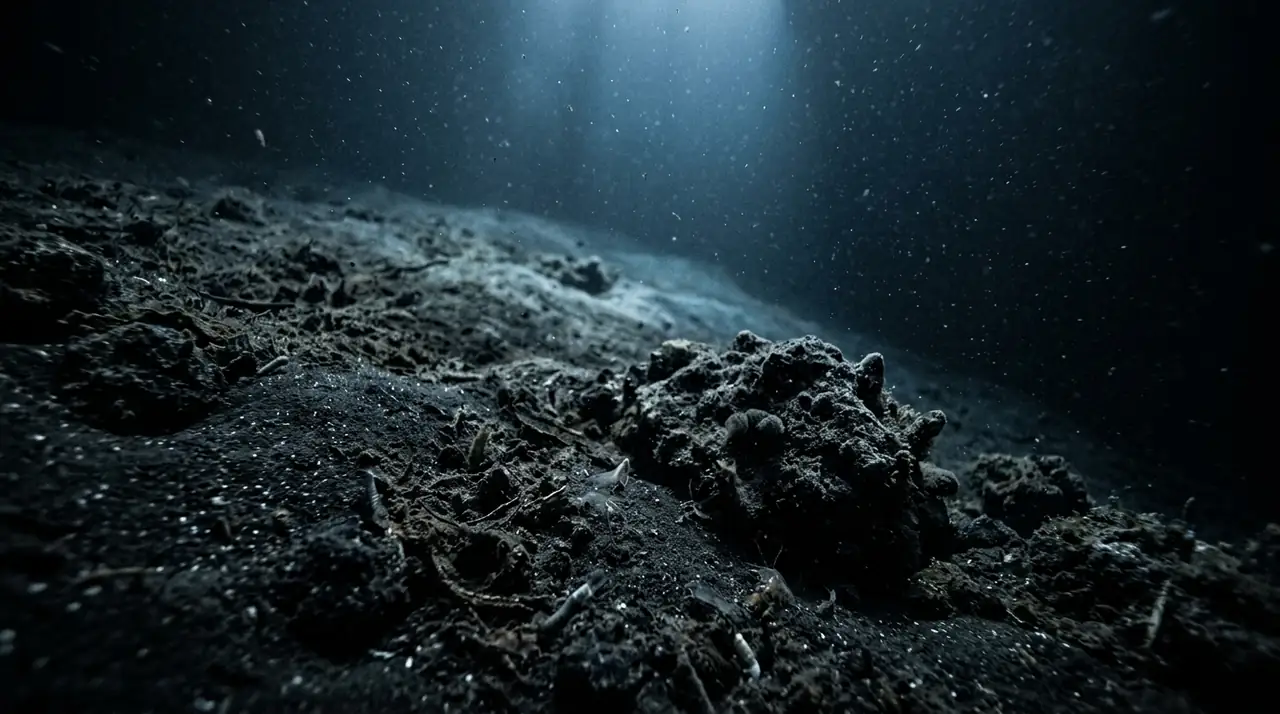
Pulau Dayang Bunting, the Island of the Pregnant Maiden, is the second-largest island in the Langkawi archipelago and one of the most geologically significant in Southeast Asia. Part of the Langkawi UNESCO Global Geopark, the island's marble and limestone formations date back approximately 500 million years, and these ancient geological structures extend beneath the waterline to create a diving environment unlike anything else in Malaysia. The island's fame rests primarily on its freshwater lake, Tasik Dayang Bunting, a collapsed limestone cavern filled with fresh water and surrounded by forested hills, legendary as a fertility shrine. But the coastline around the island offers diving that, while modest in depth and visibility compared to Sabah's east coast, provides a geological underwater experience that no other Malaysian destination can match. Descending along the island's southern shore, the underwater landscape is dominated by enormous marble boulders that have tumbled from the cliffs above over millennia. These smooth, pale grey formations create a surreal seascape, their rounded surfaces draped in coral growth that softens their geometric edges. Between the boulders, natural arches and swim-throughs have formed where softer rock has eroded away, creating passages that frame views of deeper reef beyond. The marble substrate supports a reef community adapted to the Andaman Sea's warm, nutrient-rich conditions. Hard corals colonise the horizontal surfaces of the boulders, with table corals and brain corals establishing footholds in every stable crevice. The vertical faces host soft corals and sea fans that sway in the gentle tidal currents, their branches providing shelter for juvenile fish and invertebrates. Blacktip reef sharks patrol the channels between boulders in the early morning, their sleek forms visible at the edge of the visibility. Sea turtles are regular visitors, feeding on the algae and sponges that grow on the marble surfaces. Parrotfish graze across the reef in colourful groups, and the density of clownfish in their anemones suggests a reef system with stable, long-established territories. The marble boulders create a three-dimensional diving environment in relatively shallow water, with the deepest points at approximately 18 metres and most of the interesting formations between 5 and 12 metres. This shallow profile makes the site accessible to newly certified divers and provides generous bottom times for exploration. The swim-throughs, while not deep or technically challenging, create moments of drama as divers pass through narrow passages between massive ancient stones. What makes Pulau Dayang Bunting special in the Malaysian diving context is the combination of UNESCO geopark geology, accessible diving, and the cultural and natural history of the island itself. The Lake of the Pregnant Maiden adds a freshwater dimension to the trip, and the forested island interior with its walking trails and viewpoints creates a full-day experience that transcends the underwater portion. For Langkawi visitors who dive, this is an opportunity to explore geology that spans half a billion years in a setting of tropical island beauty.
Early access
Plan a dive here
Open the DiveOne planner to sketch a recreational plan before you go. It is a planning assistant, not a dive computer.
Marine life
Dive profile
DEPTH PROFILE
DEPTH PROGRESSION & WAYPOINTS: Pulau Dayang Bunting
Location
Frequently asked questions
What makes the underwater geology at Pulau Dayang Bunting special?
Pulau Dayang Bunting is part of the Langkawi UNESCO Global Geopark, and its marble and limestone formations are approximately 500 million years old, among the oldest geological formations in Southeast Asia. These formations extend underwater, creating diving environments of smooth marble boulders, natural arches, and swim-throughs that are geologically unique in Malaysian diving. The marble substrate gives the reef a distinctly different appearance from coral limestone or volcanic sites found elsewhere.
Can I visit the Lake of the Pregnant Maiden and dive on the same trip?
Yes, and this combination is the most popular way to experience Pulau Dayang Bunting. The freshwater lake, called Tasik Dayang Bunting, sits in a collapsed limestone cavern in the island's interior and is connected to the sea through underground passages. Island hopping tours from Langkawi include the lake as a swimming and sightseeing stop. Dive operators can arrange trips that combine morning diving around the island's coastline with an afternoon visit to the lake.
How is the visibility at Pulau Dayang Bunting?
Visibility around Pulau Dayang Bunting ranges from 5 to 15 metres, influenced by tidal conditions, recent rainfall, and seasonal patterns. The Andaman Sea side of Langkawi generally offers better visibility than the Strait of Malacca side. The best visibility occurs during the northeast monsoon dry season from December to March when river runoff is minimal. While visibility is modest compared to east coast Malaysian sites, the geological formations and marine life compensate for the reduced range.
Reviews
Reviews
No reviews yet
Data Provenance
This profile is compiled from 3 operator submissions and 142 community logs. Key facts (depth, entry) are verified against official hydrographic charts.