Puerto Princesa Underground River Reef
Overview
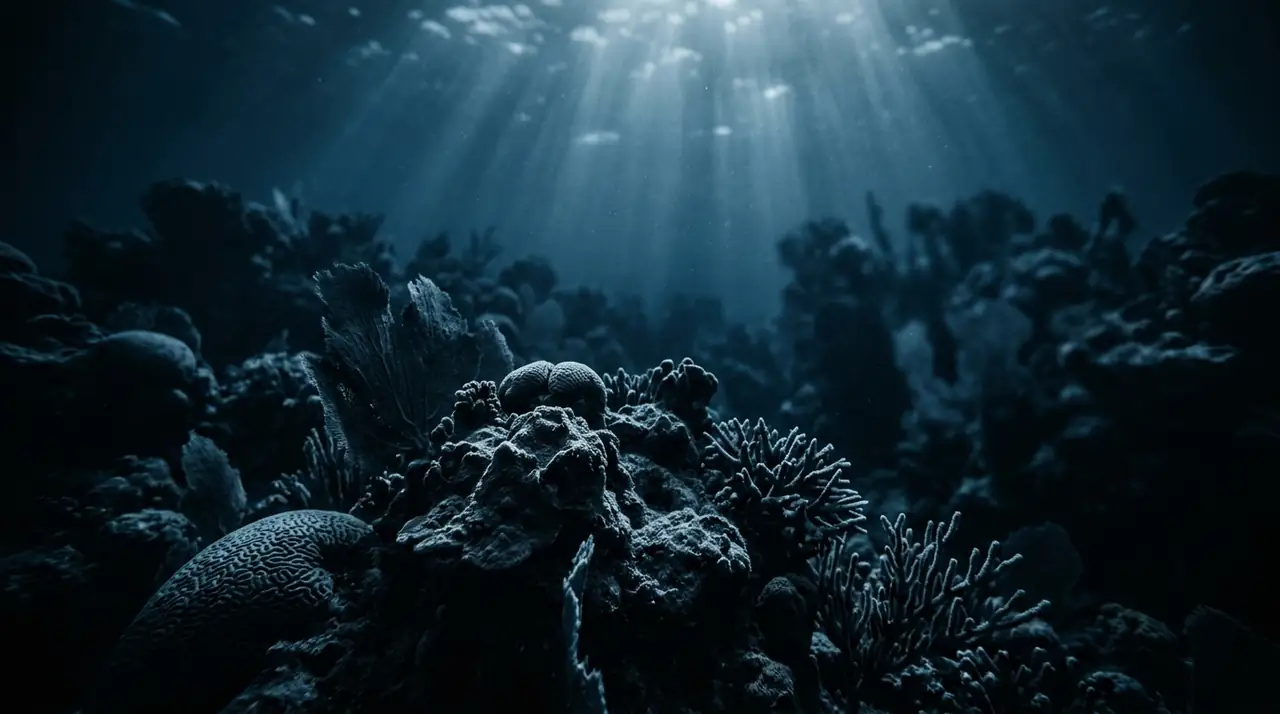
The reef system fronting Puerto Princesa's Subterranean River National Park is one of Palawan's least-known diving secrets. While millions visit the UNESCO-listed cave each year, virtually none explore the coral reef that begins where the limestone cliffs meet the South China Sea. The underwater karst geology mirrors the cave system above, creating overhangs, swim-throughs, and submerged walls encrusted with hard and soft corals. The boat from Sabang Beach followed the dramatic coastline south, past towering limestone cliffs draped in vegetation, to a mooring over the reef edge. I descended along a wall that dropped vertically from two metres to fifteen, its surface covered in table corals, soft coral trees, and enormous barrel sponges. The limestone is porous, and freshwater seepage from the cave system creates shimmering haloclines at several points, distorting the view like heat haze above a road. These halocline zones support unique micro-communities. The slightly lower salinity encourages specific algae growth that feeds invertebrates rarely seen on standard Philippine reefs. Nudibranchs were abundant, their vivid colours standing against the grey limestone. A colony of oriental sweetlips sheltered beneath an overhang, their spotted flanks catching my torch beam. The swim-throughs are the dive's architectural highlight. Eroded passages through the limestone connect reef sections, their walls colonised by encrusting sponges and small gorgonians. One passage opened into a natural amphitheatre where a green turtle rested on a ledge, regarding me with ancient calm before lifting off and gliding through the exit. Deeper on the outer reef, the coral coverage becomes more conventional but no less impressive. Giant clams occupy crevices. Anemonefish defend their hosts with disproportionate aggression. A whitetip reef shark rested on a sandy ledge at twenty metres, unfazed by our presence. The site's protection as a national park means fishing pressure is minimal, and the reef health reflects decades of effective conservation. This is a dive that rewards geological curiosity as much as marine life observation, a place where the story of rock and water continues seamlessly from air to sea.
Early access
Plan a dive here
Open the DiveOne planner to sketch a recreational plan before you go. It is a planning assistant, not a dive computer.
Marine life
Dive profile
DEPTH PROFILE
DEPTH PROGRESSION & WAYPOINTS: Puerto Princesa Underground River Reef
Location
Frequently asked questions
Can I combine a visit to the Underground River cave with diving?
Yes, the cave tour and reef diving are complementary activities easily combined in a full day trip from Sabang Beach. Morning cave tours typically finish by midday, allowing afternoon dives on the reef system. The reef is located along the coastline immediately adjacent to the cave entrance, accessible by the same boats used for cave tours. Dive operators in Sabang village offer guided reef dives, though equipment availability can be limited so bringing your own gear is advisable.
Is a special permit required to dive near the Underground River?
Diving within the national park boundaries requires a park entry permit, purchased at the park office in Sabang or Puerto Princesa city. The standard tourist permit covers both cave access and reef activities. Dive operators handle the permit process for their clients. Diving directly at the cave mouth is not permitted, but the reef system extending along the coast within the park boundary is accessible for guided recreational diving.
What is unique about the underwater geology here?
The limestone karst formations that create the famous underground river continue below the waterline as submerged walls, overhangs, and small caverns. Freshwater seepage from the cave system creates localised haloclines where fresh and salt water meet, producing shimmering visual effects and supporting unique biological communities. The dissolved minerals from the limestone also promote exceptional coral growth on the rock surfaces. This combination of karst geology and coral reef is rare in Southeast Asian diving.
Reviews
Reviews
No reviews yet
Data Provenance
This profile is compiled from 3 operator submissions and 142 community logs. Key facts (depth, entry) are verified against official hydrographic charts.