Providencia Island
Overview
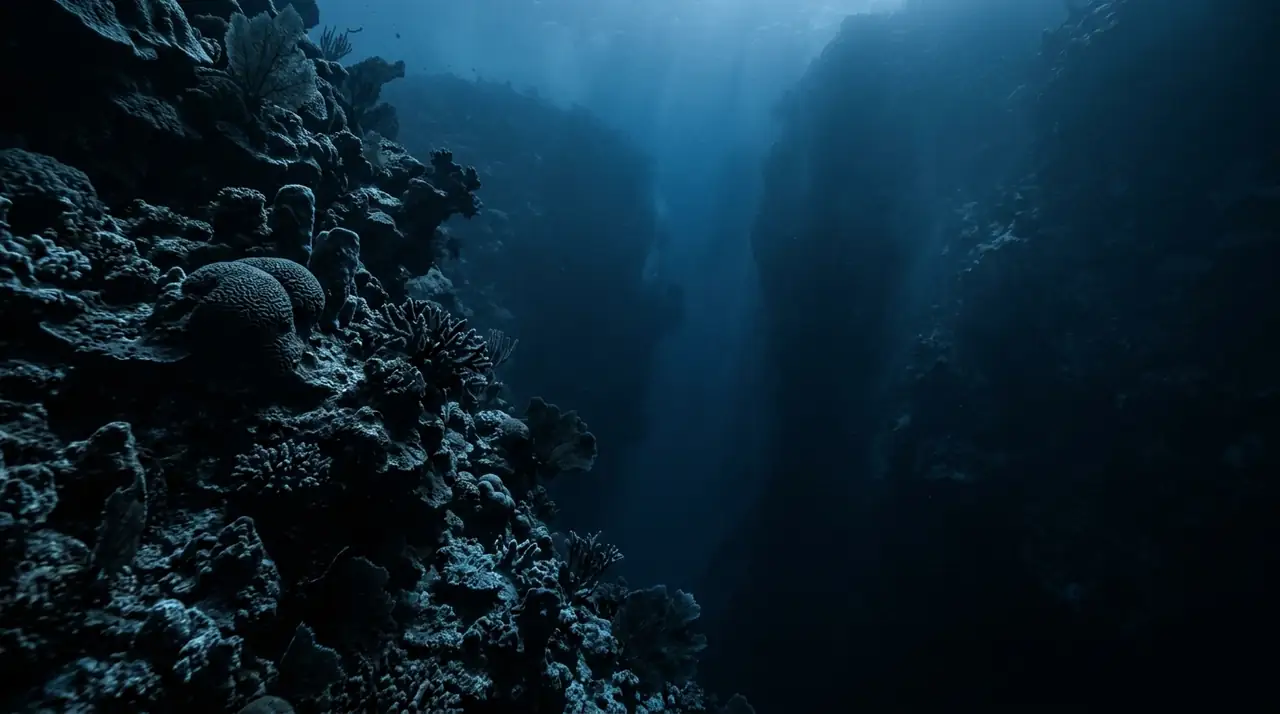
Providencia Island floats in the southwestern Caribbean roughly 90 kilometres north of San Andres, a tiny Colombian outpost surrounded by the world's third-largest barrier reef and protected within the UNESCO Seaflower Biosphere Reserve. While its more accessible neighbour San Andres draws the package tourists and party crowds, Providencia remains genuinely remote, a place where the diving matches the hype precisely because so few divers make the effort to get here. The island's Raizal community, descendants of English-speaking Afro-Caribbean settlers, maintains a quiet, traditional lifestyle that feels decades removed from mainland Colombia. The barrier reef encircling Providencia is simply in a different condition to most Caribbean reefs. I dropped in on the eastern wall on a February morning and the immediate impression was of reef health that I had not seen since diving remote Pacific atolls. Hard coral coverage was extraordinary, with massive star corals, brain corals, and plate corals forming an unbroken living carpet across the reef terrace. Sea fans and gorgonians grew in dense forests at the wall edge, their purple and amber branches filtering the current. The wall itself was vertical and dramatic, dropping from a twelve-metre reef crest into blue darkness beyond forty metres. Giant barrel sponges, some over a metre in diameter, jutted from the wall face at regular intervals. Black coral bushes, their delicate branches belying their extreme hardness, occupied the deeper sections. Spotted drums, with their impossibly long dorsal fins, performed their characteristic slow dance in small caves at the wall base. Fish populations here reflect the lack of fishing pressure within the protected reserve. Caribbean reef sharks cruised the wall edge in numbers suggesting a genuinely healthy population. Nassau groupers, large and unafraid, sat on coral heads with the confident stillness of animals that have not learned to fear humans. French angelfish paired off in their elegant black-and-gold livery, while queen triggerfish worked the reef with their characteristic upside-down feeding posture. The visibility during my visit was a consistent thirty metres, and the water temperature a bath-like twenty-eight degrees.
Early access
Plan a dive here
Open the DiveOne planner to sketch a recreational plan before you go. It is a planning assistant, not a dive computer.
Marine life
Dive profile
DEPTH PROFILE
DEPTH PROGRESSION & WAYPOINTS: Providencia Island
Location
Near Santa Isabel, in the San Andres and Providencia Archipelago region of Colombia.
Frequently asked questions
How do I get to Providencia Island for diving?
Providencia is reached by a short flight from San Andres Island, which has direct flights from Bogota, Medellin, and Cartagena. The flight from San Andres to Providencia takes about 25 minutes on a small propeller aircraft. There is also a catamaran ferry service that takes approximately three and a half hours but is frequently cancelled due to sea conditions. Providencia is small and quiet, with limited tourist infrastructure compared to San Andres, which is part of its appeal. Book flights in advance as they fill quickly, especially during Colombian holiday periods.
What makes diving at Providencia different from San Andres?
Providencia's diving is widely considered superior to San Andres due to its more remote location, smaller population, and less tourism development. The barrier reef surrounding Providencia is in significantly better condition, with higher coral coverage and greater fish biomass. The walls are more dramatic, dropping sharply from shallow reef to depths exceeding 40 metres. Visibility is consistently excellent at 25 to 40 metres. The key difference is traffic — while San Andres receives numerous dive boats daily, Providencia typically has only one or two operators running trips, meaning you often have entire dive sites to yourself.
Is a Colombian tax stamp required to visit Providencia?
Yes, all visitors to the San Andres and Providencia Archipelago must purchase a tourist tax card known as the Tarjeta de Turismo before boarding their flight. This is typically purchased at the airport counter in your departure city within Colombia. The fee helps fund conservation of the Seaflower Biosphere Reserve. Colombian nationals and foreign residents with valid cedula de extranjeria may qualify for reduced rates. Keep the card with you during your stay as it may be requested at hotels and dive shops.
Reviews
Reviews
No reviews yet
Data Provenance
This profile is compiled from 3 operator submissions and 142 community logs. Key facts (depth, entry) are verified against official hydrographic charts.