Poor Knights Islands
Overview
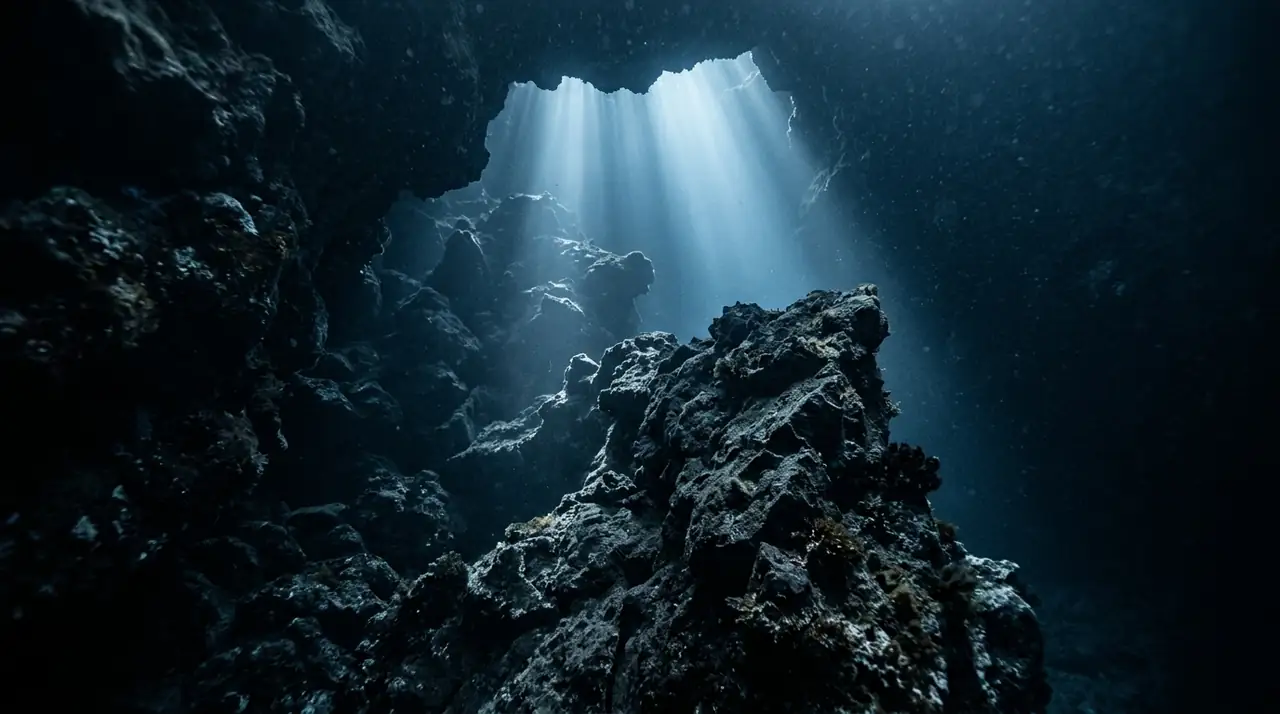
The Poor Knights Islands are a group of volcanic islands lying 23 kilometres off the Tutukaka coastline in Northland, New Zealand, and they represent one of the Southern Hemisphere's most extraordinary diving destinations. Ranked by Jacques Cousteau among the world's top ten dive sites, the Poor Knights combine dramatic underwater topography with remarkable subtropical biodiversity in waters that have been fully protected as a marine reserve since 1981. The islands' volcanic origins created an underwater landscape of sheer cliffs plunging over 100 metres below the surface, riddled with caves, archways, tunnels, and overhangs of cathedral proportions. Rikoriko Cave, the world's largest known sea cave, is large enough to accommodate a full-sized vessel, and its walls shimmer with bioluminescent organisms. Middle Arch and Northern Arch offer breathtaking swim-throughs where divers pass through tunnels of rock into sunlit bays, the blue water beyond creating stunning silhouettes. A subtropical current from the Coral Sea bathes the Poor Knights in water significantly warmer than the surrounding New Zealand coast, supporting an unusual overlap of tropical and temperate marine species. Lord Howe coralfish, normally found only at Lord Howe Island and Norfolk Island, are resident here alongside temperate species like blue maomao and demoiselles that school in dense clouds around the rock faces. Short-tail stingrays, among the world's largest stingrays, are commonly encountered on the sandy bottom, while mosaic morays and grey morays occupy crevices throughout the reef. The kelp forests draping the underwater cliffs host a rich ecosystem of their own. Jason's nudibranchs, a striking species endemic to New Zealand waters, graze on hydroids among the fronds, while scorpionfish and various blennies hide in the understory. Kingfish patrol the blue water around the islands, and bronze whaler sharks occasionally cruise through during summer. The absence of fishing pressure since 1981 means fish densities are remarkably high, and marine life shows little fear of divers. Diving depths range from shallow cave entrances at 5 metres to deep walls descending beyond 40 metres, offering experiences for a range of skill levels. Visibility ranges from 15 to 30 metres, occasionally exceeding 40 metres during winter months when plankton levels drop. Water temperatures range from 15 degrees Celsius in winter to 22 degrees in late summer. The boat ride from Tutukaka takes 40-50 minutes, and landing on the islands is prohibited to protect the native wildlife.
Early access
Plan a dive here
Open the DiveOne planner to sketch a recreational plan before you go. It is a planning assistant, not a dive computer.
Marine life
Dive profile
DEPTH PROFILE
DEPTH PROGRESSION & WAYPOINTS: Poor Knights Islands
Location
Frequently asked questions
Why are the Poor Knights Islands considered such a special dive site?
The Poor Knights Islands have been a no-take marine reserve since 1981 and uninhabited since the 1820s, creating over 40 years of complete marine protection. A subtropical current from the Coral Sea keeps water temperatures warmer than the mainland coast, supporting species normally found in tropical waters alongside temperate New Zealand species. Jacques Cousteau ranked the Poor Knights among the world's top ten dive sites for this unique blend of biodiversity and dramatic underwater topography.
What is Rikoriko Cave and can you dive inside it?
Rikoriko Cave is the world's largest known sea cave, large enough to fit a symphony orchestra and audience inside. While it is primarily explored by boat and snorkellers, divers can explore the cave entrance area and the surrounding underwater cliff faces. The cave interior features bioluminescent organisms that create an ethereal glow on the walls and ceiling, especially in low light conditions.
How do you get to the Poor Knights Islands for diving?
The Poor Knights Islands are accessed exclusively by boat from Tutukaka Harbour, approximately 30 kilometres northeast of Whangarei on the North Island. The boat ride takes about 40-50 minutes. Several dive operators run daily trips during the diving season, typically offering two-tank dive trips. Landing on the islands is prohibited to protect the native wildlife, so all diving is done from the boats.
Reviews
Reviews
No reviews yet
Data Provenance
This profile is compiled from 3 operator submissions and 142 community logs. Key facts (depth, entry) are verified against official hydrographic charts.