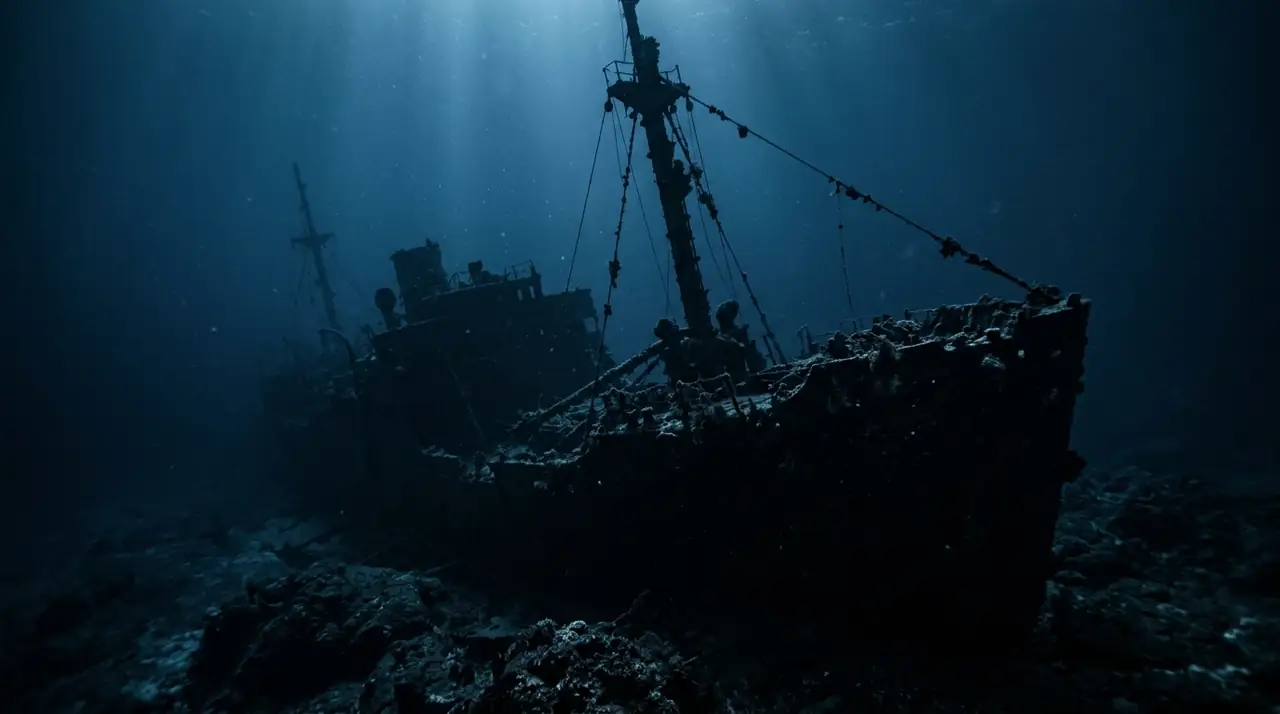
Pomonte Wreck (Elviscot)
Overview
The Pomonte wreck, officially the Elviscot, is one of the most charming and accessible wreck dives in the Mediterranean. Lying just 60 metres from the beach of the small village of Pomonte on the western coast of Elba, this 499-tonne cargo ship sank during a ferocious storm in 1972 when it was driven ashore. Over five decades, nature has transformed the shattered vessel into a thriving artificial reef that now stands as one of Italy's most popular and beginner-friendly dive sites. The wreck lies in two main sections on a sandy and rocky seabed at depths ranging from 6 to 13 metres. The bow section, resting in the shallower water, is an open structure of rusting steel plates and frames that has been thoroughly colonised by algae, sponges, and encrusting organisms. Schools of damselfish and sea bream swirl around the structure, while moray eels lurk in almost every opening. The stern section sits slightly deeper and retains more of its original form, with corridors and compartments that allow careful swim-throughs for divers comfortable in confined spaces. One of the great joys of this dive is its accessibility. Entry is directly from the Pomonte beach, with a gentle swim out over a sandy bottom to reach the wreck. The shallow depth means extended bottom times, and the warm Elba waters make the dive comfortable in a 5-millimetre wetsuit during summer months. Visibility typically ranges from 15 to 25 metres, with the clear Tyrrhenian Sea providing excellent conditions for photography. Marine life on and around the wreck is remarkably abundant for such a small structure. Octopuses hunting across the metal surfaces are a common sight, and patient observers will find scorpionfish perfectly camouflaged against the rusted plates. Small groupers have taken up residence in the larger openings, and during summer, schools of Mediterranean barracuda occasionally pass overhead. The village of Pomonte is a quiet, picturesque settlement reached by a winding mountain road across Elba's western hills. Several dive centres on the island offer guided dives to the wreck, and it is also a popular self-guided dive for experienced divers. The Elviscot proves that a wreck does not need to be deep or historically significant to provide a world-class dive experience: sometimes the best dives are the ones you can do again and again, discovering something new each time in the warm, clear shallows of the Italian coast.
Early access
Plan a dive here
Open the DiveOne planner to sketch a recreational plan before you go. It is a planning assistant, not a dive computer.
Marine life
Dive profile
DEPTH PROFILE
DEPTH PROGRESSION & WAYPOINTS: Pomonte Wreck (Elviscot)
Location
Frequently asked questions
What certification do I need to dive the Pomonte wreck on Elba?
The Elviscot wreck is one of the most accessible wreck dives in the Mediterranean. Open Water divers can comfortably explore the entire wreck, and even supervised Discover Scuba Diving participants can visit the shallower bow section at 6 metres. The maximum depth of 13 metres and proximity to shore make it ideal for beginners and training dives.
Can I snorkel at the Pomonte wreck?
Yes, the wreck is visible from the surface on calm days due to its shallow depth, and snorkellers regularly visit the site. The shallowest parts of the wreck sit at just 6 metres, and in the clear Elba waters you can see considerable detail from above. However, diving provides a far more intimate experience of the wreck's interior.
What is the history of the Elviscot wreck at Pomonte?
The Elviscot was a 499-tonne cargo ship that sank during a violent storm in 1972 when it was driven onto the rocks near Pomonte village on the western coast of Elba. The ship broke apart and now lies in two main sections about 60 metres from shore. Over the decades the wreck has become a thriving artificial reef, fully colonised by marine life.
Reviews
Reviews
No reviews yet
Data Provenance
This profile is compiled from 3 operator submissions and 142 community logs. Key facts (depth, entry) are verified against official hydrographic charts.