Pisang Island
Overview
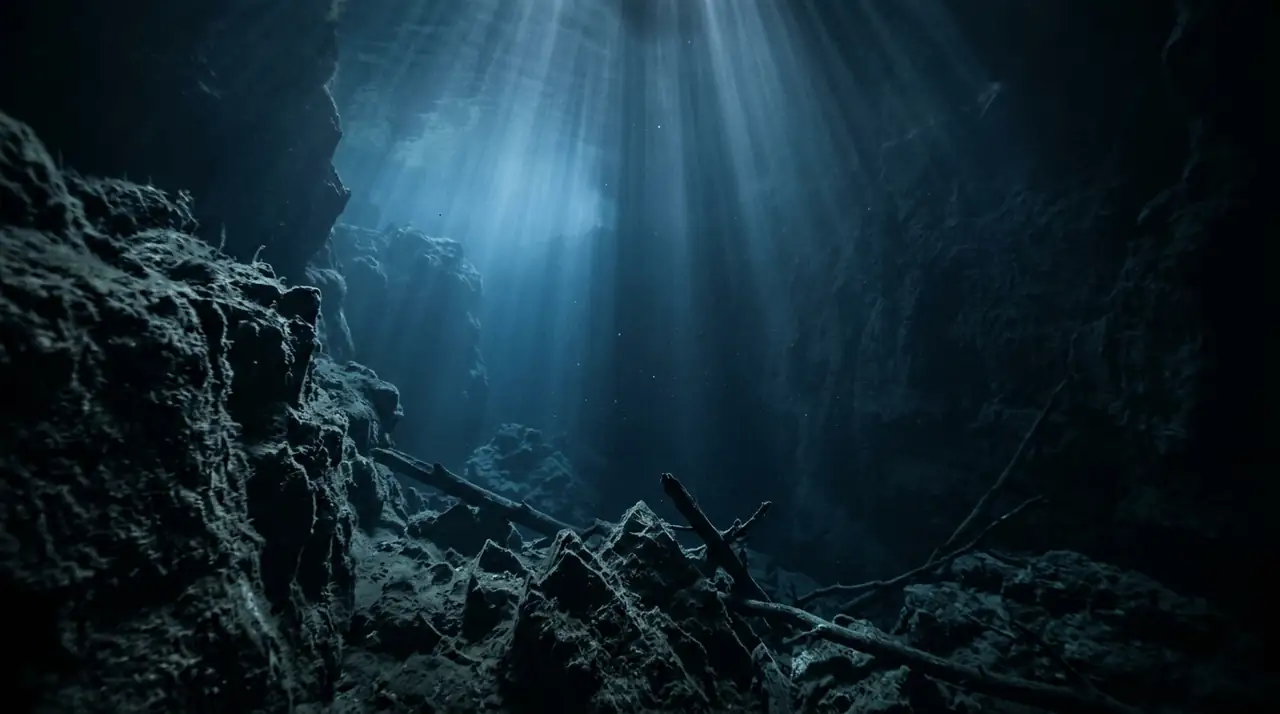
Pisang Island is one of those Banda Sea dive sites that exists more as legend than destination for most divers. This tiny volcanic islet rises from abyssal depths in the heart of Indonesia's most remote diving frontier, surrounded by water so deep and so blue that the wall dives here feel like floating on the edge of the world. Reaching Pisang requires a dedicated liveaboard crossing, and the effort is rewarded with some of the most pristine and exhilarating wall diving in Southeast Asia. I rolled backward off the tender and found myself suspended over a wall that dropped vertically from a narrow reef shelf at 5 metres straight into darkness beyond 200 metres. The visibility was extraordinary, easily 35 metres of crystalline water revealing every detail of the wall's volcanic architecture. Hard corals encrusted the upper sections in dense formations, with massive barrel sponges anchored to ledges and gorgonian fans extending into the current like signal flags. The real draw at Pisang is what comes from the blue. Within minutes of descending to 25 metres, a squadron of grey reef sharks materialized along the wall edge, their movements purposeful and unhurried. Moments later, the silhouettes I had been hoping for appeared deeper still: scalloped hammerhead sharks, initially two, then a loose school of perhaps a dozen, cruising at the edge of visibility in the characteristic slow-motion formation that makes hammerhead encounters so mesmerizing. Giant trevally rocketed past in hunting bursts, and a pair of eagle rays swept along the wall with effortless wingbeats. The current was honest and strong, pushing me along the wall in a controlled drift while I maintained depth by referencing the coral-covered face beside me. Dogtooth tuna sliced through the water column above, and schools of fusiliers parted and reformed around the reef's outcrops. Pisang Island delivers the raw, unfiltered Banda Sea experience: big water, big animals, big walls, and the profound solitude of diving in a place where few humans have ever submerged.
Early access
Plan a dive here
Open the DiveOne planner to sketch a recreational plan before you go. It is a planning assistant, not a dive computer.
Marine life
Dive profile
DEPTH PROFILE
DEPTH PROGRESSION & WAYPOINTS: Pisang Island
Location
Frequently asked questions
How do I get to Pisang Island in the Banda Sea?
Pisang Island is only accessible via liveaboard expeditions departing from Ambon. The crossing takes approximately 12 to 18 hours depending on sea conditions and the route. Fly from Jakarta or Makassar to Ambon's Pattimura Airport. Banda Sea liveaboard seasons are short, typically running from September to November, and boats book out months in advance due to limited departures.
Why is Pisang Island rated as an advanced dive site?
The site combines strong unpredictable currents, sheer walls dropping beyond recreational limits, and open-ocean exposure with no nearby shelter. Down-currents along the wall are common and can pull divers to dangerous depths quickly. Solid buoyancy control, deep-diving experience, and comfort in blue water with potentially reduced visibility at depth are essential. Most liveaboard operators require a minimum of 50 logged dives and Advanced Open Water certification.
When can I see hammerhead sharks at Pisang Island?
Scalloped hammerhead sharks are most reliably sighted from September through November, coinciding with cooler upwelling water temperatures of 25 to 27 degrees Celsius along the deeper wall sections. Early morning dives at first light offer the best chances, as hammerheads move to deeper water as the sun rises. Sightings are never guaranteed, but the Banda Sea crossing season is timed specifically to maximize encounters with these and other large pelagic species.
Reviews
Reviews
No reviews yet
Data Provenance
This profile is compiled from 3 operator submissions and 142 community logs. Key facts (depth, entry) are verified against official hydrographic charts.