Pillars of Hercules
Overview
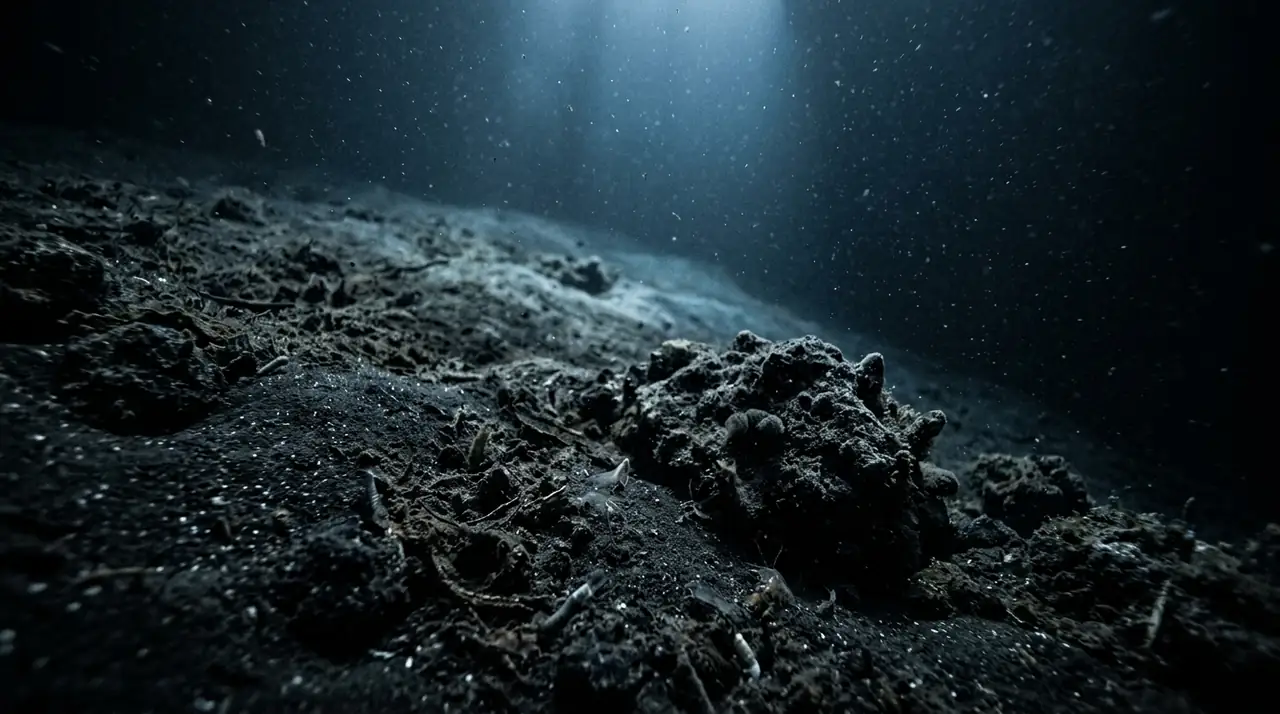
The Pillars of Hercules rise from Antigua's south coast near English Harbour, massive volcanic rock columns separated from the cliff face through millennia of wave erosion. Above water, they frame a dramatic shoreline view. Below, they create one of the eastern Caribbean's most compelling dive sites: vertical walls, swim-throughs, and freestanding pillars colonised by Caribbean reef life combining dramatic topography with abundant marine encounters. The site is accessible from shore — a trail descends to a rocky entry — or by boat from the deeper offshore side. Descending along the outer pillar face, rock drops vertically to around twenty-five metres, textured with sponges in orange and purple, sea fans waving in mild current, and small caves where squirrelfish congregate. Swim-throughs between pillars vary from narrow slots to wide canyons. Light filters between rock columns from multiple angles, creating photographic opportunities at every turn. The enclosed narrower passages contrast dramatically with open blue beyond, giving the dive a dynamic, cinematic quality. Hawksbill turtles are common residents, feeding on sponges coating the rock surfaces. I watched one methodically working a purple vase sponge on a vertical face, beak tearing chunks while bracing with flippers against the current. Nurse sharks rest between pillar bases, and southern stingrays cruise the deeper sand. Spotted eagle rays pass through occasionally, graceful silhouettes visible between the rock columns. The mid-water zone concentrates schooling fish. Barracuda hover at the top, silvery bodies catching sunlight. Schools of blue chromis create colour clouds. French angelfish patrol territories along the vertical walls. Pillars of Hercules represents Antigua at its most dramatic underwater. Where most eastern Caribbean diving features gentle slopes, here the terrain is bold and vertical, the rock ancient, and the marine life concentrated by structure into an area rewarding repeated visits.
Early access
Plan a dive here
Open the DiveOne planner to sketch a recreational plan before you go. It is a planning assistant, not a dive computer.
Marine life
Dive profile
DEPTH PROFILE
DEPTH PROGRESSION & WAYPOINTS: Pillars of Hercules
Location
Near English Harbour, in the South Coast Antigua region of Antigua and Barbuda.
Frequently asked questions
Can I shore dive the Pillars of Hercules?
Yes, the Pillars of Hercules is accessible as a shore dive from a trail that descends the cliff to the water's edge near English Harbour. The entry involves a short scramble over rocks and a giant stride from a low platform. The swim to the pillars is brief. However, many divers prefer boat access as it eliminates the cliff walk with gear and allows approach from the deeper side. Both access methods reach the same dive site.
What makes the topography at Pillars of Hercules special?
The site consists of massive volcanic rock columns that have separated from the cliff face through erosion, creating standalone pillars rising from around 20 metres to the surface. The gaps between pillars form natural swim-throughs ranging from tight squeezes to wide passages. The vertical faces support dense marine growth, and the structures create current shadows and sheltered spots that concentrate fish life. It is one of the most architecturally dramatic dive sites in the eastern Caribbean.
What is the current like at Pillars of Hercules?
The south coast exposure means the Pillars can experience moderate current, particularly on incoming tide. This current brings nutrients that support the rich marine life but requires intermediate diving skills to manage comfortably. Sheltered areas exist between and behind the pillars where current reduces significantly. Dive operators time visits for slack or mild current periods when possible. Strong current days offer the best pelagic activity but demand more experience.
Reviews
Reviews
No reviews yet
Data Provenance
This profile is compiled from 3 operator submissions and 142 community logs. Key facts (depth, entry) are verified against official hydrographic charts.