Pigeon Island
Overview
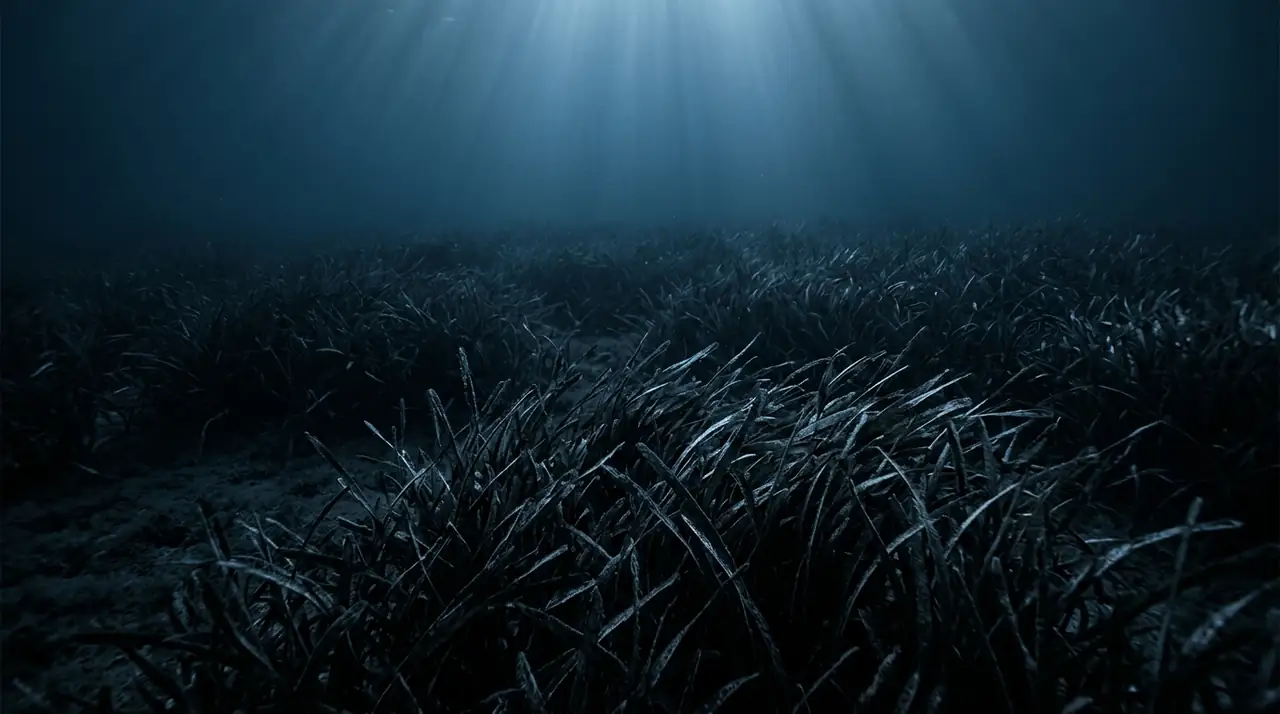
Pigeon Island sits just a kilometre offshore from Nilaveli Beach near Trincomalee, and despite its tiny size — two rocky islets connected by a sandbar — it punches well above its weight as a diving destination. Designated a national park in 2003, the surrounding waters benefit from protected status that has fostered remarkable coral recovery and a thriving marine population. The reef is a shallow, forgiving environment beginning almost at the waterline and sloping gently to 15 to 18 metres on the outer edges. Hard corals dominate, with staghorn and table corals forming dense thickets in the shallows, transitioning to boulder and brain coral formations at depth. The 2016 bleaching event hit hard, but recovery has been heartening — fresh coral growth is visible across the site, and fish populations have responded with encouraging density. What draws many divers to Pigeon Island is the reliable presence of blacktip reef sharks. These elegant predators patrol water as shallow as one metre, offering close encounters rare at most destinations. I have watched them glide between snorkellers in waist-deep water, completely unfazed by human presence. Hawksbill turtles forage on the reef and appear on most dives, while blue-ringed angelfish, butterflyfish, and clownfish in their anemone homes provide constant colour. Moray eels and octopus reveal themselves to patient observers. The diving season aligns with Sri Lanka's east coast dry period from April through September, when calm seas and visibility of 10 to 20 metres create ideal conditions. The boat ride from Nilaveli takes just 10 minutes, and several operators offer everything from introductory experiences to guided reef dives. Pigeon Island may lack the drama of Sri Lanka's wreck sites, but for accessible, colourful reef diving with reliable wildlife encounters, it is one of the country's finest offerings.
Early access
Plan a dive here
Open the DiveOne planner to sketch a recreational plan before you go. It is a planning assistant, not a dive computer.
Marine life
Dive profile
DEPTH PROFILE
DEPTH PROGRESSION & WAYPOINTS: Pigeon Island
Location
Near Trincomalee, in the Eastern Province region of Sri Lanka.
Frequently asked questions
Is Pigeon Island good for beginner divers?
Pigeon Island is excellent for beginners. The reef starts at just 3 metres depth and gently slopes to about 15 metres in most areas, with maximum depths around 18 metres. Currents are typically mild, the water is warm year-round at 27 to 30 degrees, and the sheltered conditions around the island provide a comfortable learning environment. Several operators in Nilaveli offer discovery dives and Open Water courses using Pigeon Island as their primary site.
Can I snorkel at Pigeon Island instead of diving?
Absolutely, and in fact Pigeon Island is one of Sri Lanka's premier snorkelling destinations. The shallow reef extends from the beach to about 5 metres depth, offering excellent coral and fish viewing without any equipment beyond a mask and snorkel. Blacktip reef sharks are frequently seen from the surface. The island is part of Pigeon Island National Park and a small entry fee is charged.
What happened to the coral at Pigeon Island?
Pigeon Island's coral suffered significant bleaching during the 2016 El Nino event, with estimates suggesting 70 to 80 percent of the branching coral was affected. However, recovery has been encouraging thanks to the island's national park status which limits fishing and anchoring. Recent surveys show healthy regrowth of staghorn and table corals, particularly in the shallower zones. Responsible diving and snorkelling practices remain essential to support this ongoing recovery.
Reviews
Reviews
No reviews yet
Data Provenance
This profile is compiled from 3 operator submissions and 142 community logs. Key facts (depth, entry) are verified against official hydrographic charts.