Phu Quoc Island
Overview
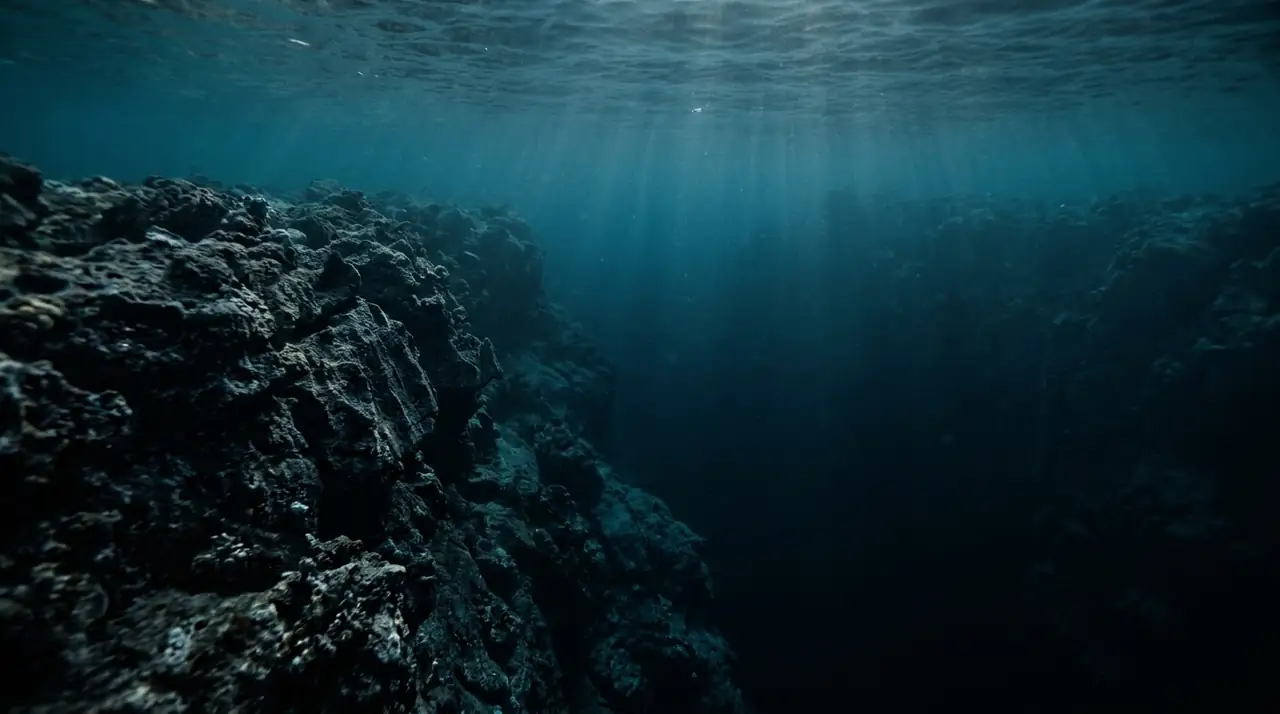
Phu Quoc Island sits in the Gulf of Thailand off Vietnam's southwestern coast, and while it may not appear on top dive destination lists, the diving around its southern archipelago offers a charm that more famous locations often lack. This is intimate, relaxed reef exploration where rewards come from paying attention to the small things, and the marine life reveals itself to patient eyes. I rode a longtail boat from An Thoi to a cluster of rocky islands surrounded by clear water. The descent was gentle, down a mooring line to a coral-covered slope at 10 metres. The reef was a patchwork of healthy hard corals, soft corals, and sponges on volcanic rock. Within moments my guide pointed at a thorny seahorse clinging to a red gorgonian fan, its tiny body curled and swaying with the gentle surge. Over two dives that afternoon, the macro life delivered consistently. Nudibranchs in astonishing variety crawled across coral surfaces. Mantis shrimp peered from burrows with their extraordinary compound eyes. Cuttlefish hovered at the reef edge, cycling through colour changes. A blue-spotted ray lifted from a sandy patch and glided away. The fish life, while not overwhelming in biomass, was varied and engaging. Schools of batfish hung in the water column above coral bommies. Clownfish defended anemone territories. Scorpionfish sat motionless on coral heads, their camouflage so effective that the guide had to physically point my mask toward them. Phu Quoc's diving benefits from the An Thoi archipelago's geography. The cluster of islands creates sheltered pockets where coral growth flourishes. Each island has its own character: rocky walls with swim-throughs, sandy slopes with isolated bommies, and seagrass beds where seahorses are found reliably. The visibility is the one honest caveat. On good days it reaches 20 metres, on average days it hovers around 10 to 12 metres. But the nutrient-rich water that limits visibility fuels the prolific small-creature life that makes Phu Quoc rewarding for divers who value discovery over spectacle.
Early access
Plan a dive here
Open the DiveOne planner to sketch a recreational plan before you go. It is a planning assistant, not a dive computer.
Marine life
Dive profile
DEPTH PROFILE
DEPTH PROGRESSION & WAYPOINTS: Phu Quoc Island
Location
Near Duong Dong, in the Kien Giang Province region of Vietnam.
Frequently asked questions
What is the best area for diving around Phu Quoc?
The An Thoi archipelago off the southern tip of Phu Quoc offers the best diving, with around 15 small islands and rocky outcrops surrounded by coral reefs. The most popular dive sites are around Hon Thom, Hon Dua, and Hon Roi islands, where coral coverage is healthiest and visibility tends to be best. The northern waters around Turtle Island also offer decent diving but with typically lower visibility. Most dive centres run half-day and full-day boat trips to the southern islands.
What is the visibility like at Phu Quoc?
Visibility at Phu Quoc is highly variable and generally lower than classic tropical dive destinations. During the dry season from November to May, visibility ranges from 10 to 20 metres at the better sites, with occasional days reaching 25 metres. During the wet season, visibility can drop below 5 metres and many dive sites become inaccessible due to currents and poor conditions. The nutrient-rich water that reduces visibility also supports the abundant small marine life that makes Phu Quoc excellent for macro diving.
Is Phu Quoc suitable for beginner divers?
Yes, Phu Quoc is an excellent destination for beginner divers and those completing their Open Water certification. Most dive sites are shallow, between 5 and 18 metres, with mild currents and warm water that does not require thick exposure protection. Several dive centres offer courses in multiple languages. The calm conditions of the dry season make it particularly suitable for new divers gaining confidence, and the relatively affordable dive prices compared to other Southeast Asian destinations add to its appeal.
Reviews
Reviews
No reviews yet
Data Provenance
This profile is compiled from 3 operator submissions and 142 community logs. Key facts (depth, entry) are verified against official hydrographic charts.