Pemba Island
Overview
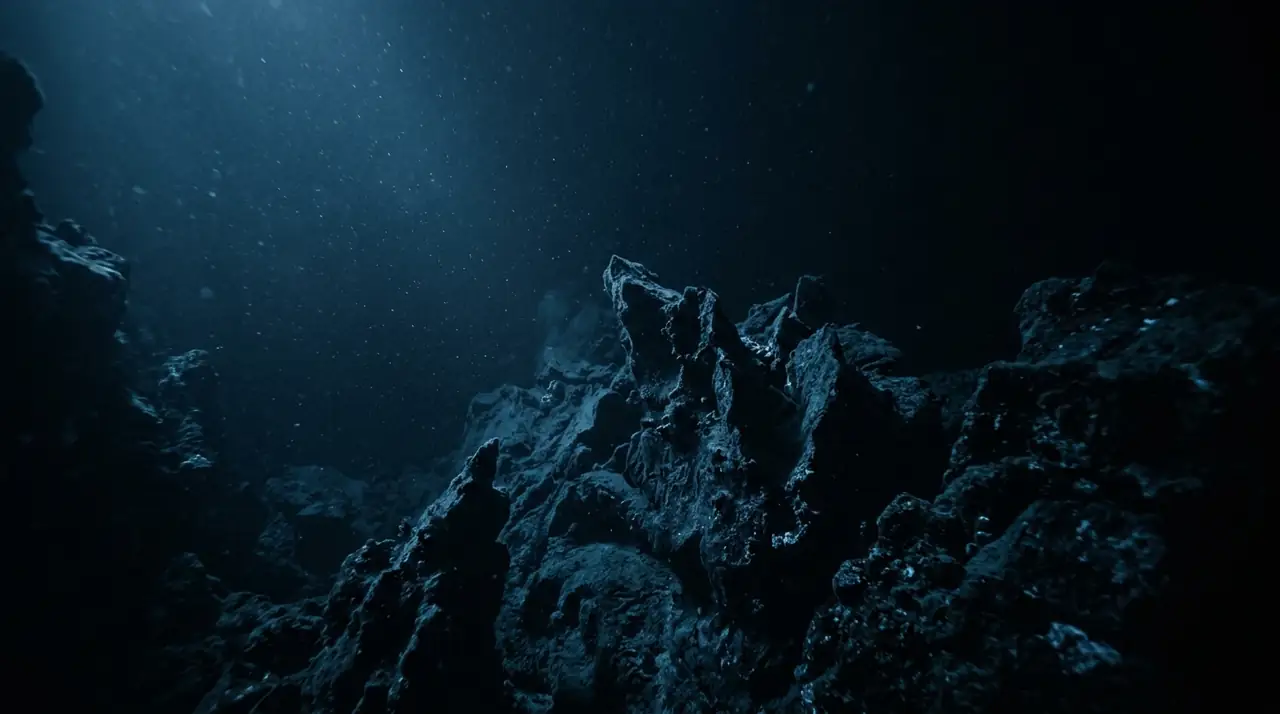
Pemba Island is East Africa's best-kept diving secret, an island on the edge of the 800-metre-deep Pemba Channel yet receiving a tiny fraction of the divers who flock to neighbouring Zanzibar. The result is reef systems of extraordinary health and pelagic encounters of a calibre that more popular Tanzanian dive sites rarely deliver. I descended over the western wall south of Chake Chake into water that transitioned from tropical turquoise to ink-dark blue within seconds. The wall dropped vertically from a reef top at around 8 metres, disappearing into darkness far below. The 800-metre depth of the Pemba Channel was directly below, and I could feel that abyss in the water movement and the size of the fish that appeared from the blue. The wall was in remarkable condition. Hard corals covered every surface in dense formations clearly undamaged by anchors or blast fishing. Gorgonian fans spread from the vertical face in deep purples and reds. Massive barrel sponges occupied ledges, and black coral bushes grew at depth in sizes suggesting decades of undisturbed growth. The pelagic traffic was outstanding. Grey reef sharks patrolled the drop-off edge. On my second dive, a school of scalloped hammerheads passed below at 40 metres, perhaps fifteen animals in loose formation. Giant grouper of truly impressive size sat motionless in wall cavities. Napoleon wrasse cruised with serene confidence. The shallower reef sections between 5 and 15 metres offered superb coral gardens with dense communities of anthias, butterflyfish, and parrotfish. Green and hawksbill turtles were common, gliding between feeding areas with unhurried strokes. What struck me most about Pemba was the solitude. Over three days of diving, I never saw another dive boat. In an era when popular dive destinations feel crowded, Pemba offers something increasingly rare: the feeling of being the first person to explore a reef.
Early access
Plan a dive here
Open the DiveOne planner to sketch a recreational plan before you go. It is a planning assistant, not a dive computer.
Marine life
Dive profile
DEPTH PROFILE
DEPTH PROGRESSION & WAYPOINTS: Pemba Island
Location
Near Chake Chake, in the Zanzibar Archipelago region of Tanzania.
Frequently asked questions
How do I get to Pemba Island for diving?
Pemba Island is reached by daily flights from Dar es Salaam or Zanzibar on small regional aircraft, with the flight from Zanzibar taking approximately 30 minutes. There are also occasional ferries from Zanzibar and Tanga on the mainland, though these are less reliable. Dive operations are limited to a handful of lodges on the island, with the main diving areas on the western coast facing the deep Pemba Channel. Advance booking is essential as dive infrastructure is minimal compared to neighbouring Zanzibar.
What makes Pemba's diving different from Zanzibar?
Pemba sits on the edge of the 800-metre-deep Pemba Channel, giving it access to deep-water environments that Zanzibar's shallower reef systems cannot match. The walls here drop vertically from shallow reef tops into extreme depth, attracting open-ocean pelagics that rarely venture to Zanzibar's reefs. The island receives far fewer divers, meaning the reefs are in notably better condition. The trade-off is less developed infrastructure, fewer dive operators, and more weather-dependent access to sites.
When should I avoid diving at Pemba Island?
The long rainy season from April through June brings reduced visibility, rougher seas, and limited boat access to the best dive sites. Some lodges and dive operations close entirely during this period. The short rains in November can also affect conditions briefly. The best window is from October to March, with December through February typically offering the calmest seas and clearest water. Even during peak season, afternoon winds can pick up, so morning dives are generally preferred.
Reviews
Reviews
No reviews yet
Data Provenance
This profile is compiled from 3 operator submissions and 142 community logs. Key facts (depth, entry) are verified against official hydrographic charts.