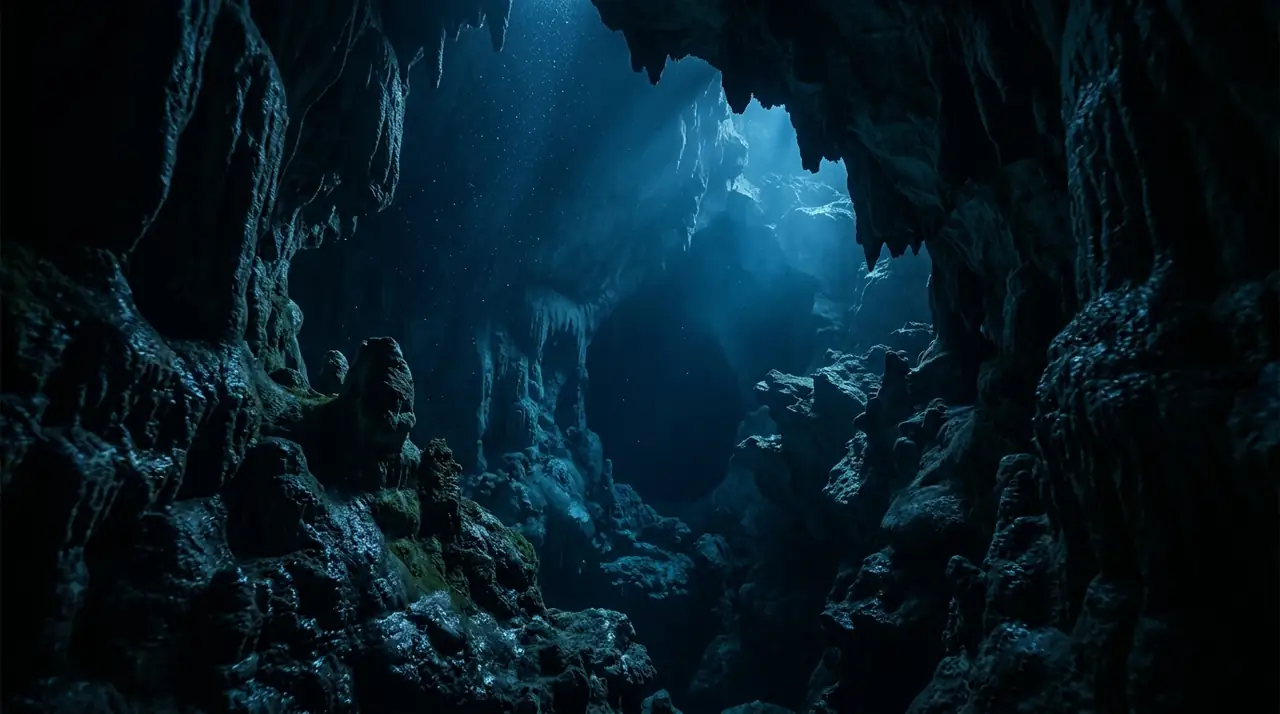
Pearl Diving Heritage Site
Overview
The pearl diving heritage sites off Bahrain represent something unique in diving -- a place where the underwater experience is inseparable from thousands of years of human history. Long before oil transformed the Gulf, Bahrain was the pearl capital of the world, its economy built on the oyster beds carpeting the shallow seabed. These beds, now part of a UNESCO-recognized cultural landscape, offer divers the chance to explore a living historical site while discovering Arabian Gulf marine life. I boarded a traditional dhow in Manama harbour for the short trip to the oyster beds. Descending to the sandy bottom at just 10 meters, the first thing I noticed was hundreds of oyster shells scattered across the substrate and clustered around low coral formations. These are the pearl oysters (Pinctada radiata) that sustained an entire civilization, and seeing them in their natural habitat carries a weight no museum exhibit can replicate. The marine life reflects the Arabian Gulf's unique character. Arabian angelfish, endemic to this region, display striking blue-and-yellow patterns as they pick at coral surfaces. Hammour groupers hold station near rocky outcrops, their mottled bodies blending with the substrate. Rabbitfish graze in small schools, sea snakes wind through coral with elegant lateral movements, and cuttlefish hover near the bottom, their chromatophores rippling with indecision. Visibility is honest rather than spectacular, typically 5 to 12 meters. The reduced visibility creates an intimate experience where marine life appears suddenly and close. Stingrays erupt from sandy patches, hermit crabs trundle between oyster clusters, and pufferfish inflate indignantly when approached. The cultural dimension elevates this dive beyond its marine merits. Understanding that free divers descended to these spots for millennia, with nothing but a nose clip and a stone weight, harvesting oysters one breath at a time, transforms the experience into a connection with human endurance and ingenuity. Bahrain offers something no tropical reef can -- a dive through history itself.
Early access
Plan a dive here
Open the DiveOne planner to sketch a recreational plan before you go. It is a planning assistant, not a dive computer.
Marine life
Dive profile
DEPTH PROFILE
DEPTH PROGRESSION & WAYPOINTS: Pearl Diving Heritage Site
Location
Frequently asked questions
What is the historical significance of pearl diving in Bahrain?
Bahrain was the centre of the world's pearl trade for over 4,000 years, with pearl diving forming the backbone of the island's economy until the 1930s when Japanese cultured pearls collapsed the natural pearl market. The pearling pathway in Muharraq is a UNESCO World Heritage Site, and the oyster beds offshore remain as a living connection to this heritage. Traditional pearl diving seasons ran from June to September, when free divers descended with nothing but nose clips and stone weights, harvesting oysters from these same reefs.
What can I expect to see on the pearl diving heritage dives?
The dive sites feature natural oyster beds interspersed with low-profile coral formations on sandy substrate at depths between 5 and 15 meters. The coral growth is modest compared to Red Sea reefs but supports diverse Arabian Gulf fish communities including endemic angelfish species, groupers, and rabbitfish. Visibility in the Gulf is typically moderate at 5 to 12 meters, with best conditions in winter months. The experience is as much cultural as natural -- your guide will explain the pearling heritage and traditional diving techniques used for centuries.
When is the best time to dive in Bahrain?
The best diving conditions in Bahrain occur from October through April when water temperatures range from 19 to 26 degrees Celsius and visibility improves. Summer months bring extreme water temperatures exceeding 33 degrees Celsius, which stress corals and reduce comfort. Winter months also coincide with calmer seas and less wind. Some operators offer traditional pearl diving experiences during the summer ghawas season, but these are cultural events rather than recreational dives.
Reviews
Reviews
No reviews yet
Data Provenance
This profile is compiled from 3 operator submissions and 142 community logs. Key facts (depth, entry) are verified against official hydrographic charts.