Passe en S
Overview
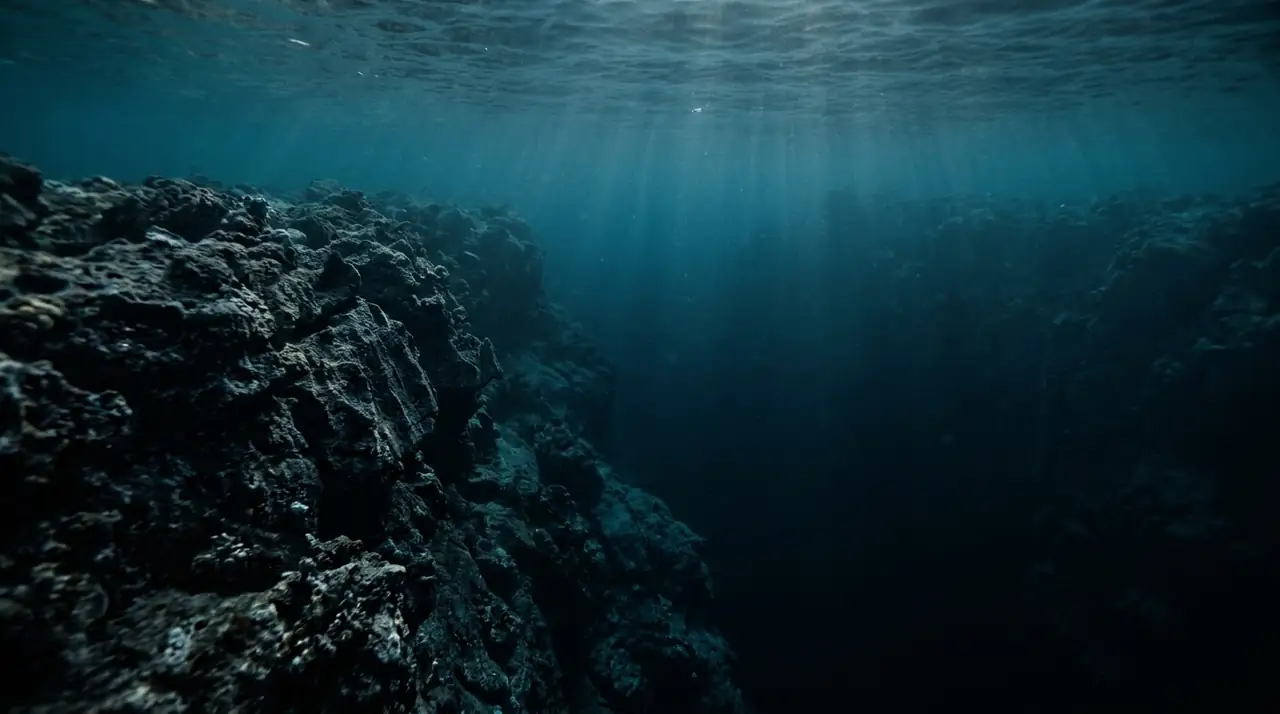
Mayotte sits inside one of the largest lagoons on the planet, a double barrier reef encircling a volcanic island in the warm heart of the Mozambique Channel. The reef is breached by a handful of passes connecting the sheltered lagoon to the open Indian Ocean, and Passe en S is the most celebrated. Its name comes from the sinuous S-shaped curve the channel traces through the coral wall, a natural chicane that accelerates tidal flow and concentrates marine life into a corridor barely a hundred metres wide. The boat dropped us at the outer mouth on a rising tide in September. Visibility stretched beyond thirty metres as we descended along the right wall. The coral here is in remarkable condition. Massive table corals extend from the wall in overlapping tiers, their surfaces dusted with damselfish that scatter and reform like living confetti. Staghorn thickets fill every ledge, and deeper sections host black coral trees draped in crinoids. At fifteen metres the current found us, not violent but insistent, carrying us around the first bend without effort. A whitetip reef shark appeared on the sandy bottom, turned lazily, and let the current carry it alongside us before peeling off into a crevice. Ahead, a cleaning station attracted a queue of Napoleon wrasses, their thick lips and bulging foreheads unmistakable even at distance. The second bend opened into a wider amphitheatre where the depth dropped to twenty-five metres. Here a reef manta ray was circling, wings tipped upward as it banked through the current. It completed three passes above us, close enough to see the remoras on its belly, before gliding toward the lagoon. Green turtles rested on ledges throughout the pass, so common that by the end I had counted eleven. As the current slowed in the lagoon shallows, schools of giant trevally hunted along the reef edge. The safety stop was spent drifting over a seagrass bed where a spotted eagle ray foraged, its wings stirring small clouds of sand.
Early access
Plan a dive here
Open the DiveOne planner to sketch a recreational plan before you go. It is a planning assistant, not a dive computer.
Marine life
Dive profile
DEPTH PROFILE
DEPTH PROGRESSION & WAYPOINTS: Passe en S
Location
Frequently asked questions
When is the best time to dive Passe en S and what tidal conditions should I look for?
The dry season from May to November offers the best visibility, often exceeding 30 metres, and calmer sea conditions. Diving is timed to incoming tides when pelagic species ride the current into the lagoon. Most dive centres in Dzaoudzi and Mamoudzou schedule Passe en S dives around the incoming tide window, typically in the morning. Outgoing tides can produce very strong currents that push divers out over deep water, so timing is critical and only experienced guides should plan the entry.
Do I need advanced certification to dive Passe en S?
An Open Water certification is technically sufficient for the shallower sections of the pass, but an Advanced Open Water or equivalent is strongly recommended. The currents can shift suddenly and reach speeds that require confidence with drift diving techniques. Most dive operators in Mayotte will assess your experience before taking you to the pass. You should be comfortable deploying a surface marker buoy in current and have at least twenty logged dives. Beginners are usually taken to calmer lagoon sites first.
How do I get to Mayotte and where are the dive centres?
Mayotte is a French overseas department in the Mozambique Channel between Madagascar and Mozambique. Direct flights operate from Paris, Reunion, and several East African cities to Dzaoudzi-Pamandzi International Airport. Several dive centres operate from both Petite-Terre near the airport and the main island of Grande-Terre around Mamoudzou. The boat ride to Passe en S takes roughly 15 to 30 minutes depending on which centre you use. French and some European health insurance cards are accepted, and the euro is the local currency.
Reviews
Reviews
No reviews yet
Data Provenance
This profile is compiled from 3 operator submissions and 142 community logs. Key facts (depth, entry) are verified against official hydrographic charts.