Pantelleria Punta Spadillo
Overview
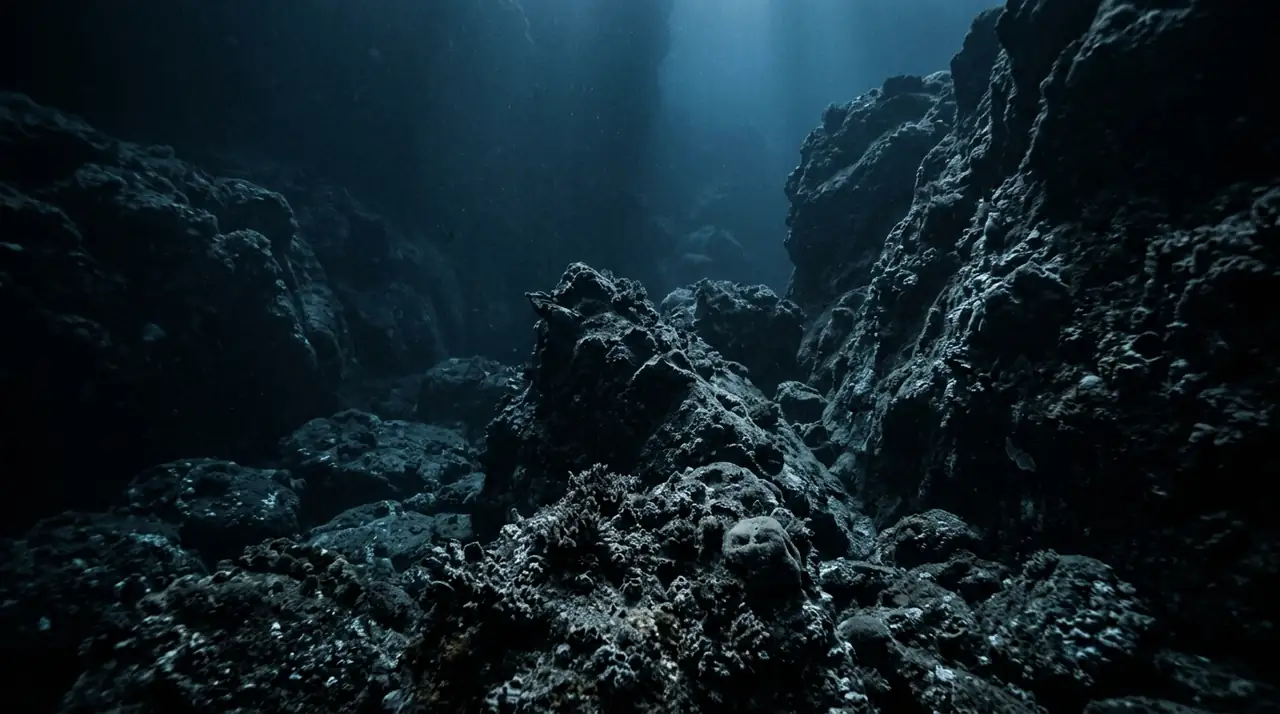
Punta Spadillo is the signature dive site of Pantelleria, Italy's most remote island, a volcanic outcrop in the Strait of Sicily closer to Tunisia than to the Italian mainland. This geographic isolation, combined with volcanic geology, creates diving conditions unlike anywhere else in the Mediterranean. The wall begins at 5 metres and drops vertically beyond 40 metres. The rock is volcanic basalt, formed in dramatic columnar shapes and honeycomb patterns that look sculpted by design rather than eruption. Lava tubes pierce the wall at various depths, some large enough to swim through, others revealing recesses where moray eels and groupers shelter. What sets Spadillo apart is the thermal activity. Streams of warm water and fine gas bubbles emerge from fissures in the rock, rising in shimmering columns through the water. These vents support colonies of thermophilic bacteria that create patches of white and yellow against the dark basalt. The temperature differential is palpable through your wetsuit, a warm pulse in the otherwise cool Mediterranean. I descended along the wall on a morning with visibility exceeding 35 metres, clarity that Pantelleria delivers routinely but that would be exceptional on the mainland. Schools of amberjack cruised past at the edge of visibility. Large barracuda held station in mid-water. Groupers occupied ledges with the confidence of fish that encounter divers perhaps a few times per week rather than dozens per day. The red coral colonies at depth are a particular highlight, growing in conditions too deep and remote for the harvesting that has depleted populations elsewhere. Sponges in vivid orange and yellow encrust the overhangs, and volcanic topography supports a diversity of invertebrate life that rewards slow, observant diving. Pantelleria remains genuinely off the beaten path. The island has no mass tourism infrastructure, and diving here feels like a privilege. The two local dive centres know these waters intimately and choose sites according to conditions rather than schedules.
Early access
Plan a dive here
Open the DiveOne planner to sketch a recreational plan before you go. It is a planning assistant, not a dive computer.
Marine life
Dive profile
DEPTH PROFILE
DEPTH PROGRESSION & WAYPOINTS: Pantelleria Punta Spadillo
Location
Frequently asked questions
What makes Pantelleria diving different from other Italian dive sites?
Pantelleria is a volcanic island situated in the Strait of Sicily, closer to Tunisia than to the Italian mainland. This geographic position creates unique diving conditions. The volcanic geology produces dramatic underwater topography including basalt columns, lava tubes, and active thermal vents where warm water and gas bubbles emerge from the seafloor. The island's remoteness means very low diver traffic, and the convergence of Mediterranean and North African currents brings exceptional water clarity and a mix of species from both biogeographic regions.
How do I get to Pantelleria for diving?
Pantelleria has a small airport with seasonal flights from Palermo, Trapani, and Rome, as well as year-round ferry service from Trapani taking around five hours. There are two established dive centres on the island operating from May through October. Most divers combine a diving trip with exploring the island's volcanic landscape, including hot springs, a volcanic lake, and traditional dammuso stone houses. Accommodation ranges from basic to boutique level, though availability is limited and advance booking is essential during July and August.
Are the thermal vents safe to dive near?
The thermal vents at Punta Spadillo release warm water and gas bubbles at relatively low temperatures and are considered safe for recreational diving. The water temperature near active vents may be several degrees warmer than the surrounding sea. The gas is primarily carbon dioxide, and divers should avoid lingering directly in dense bubble streams. The vents create a visually dramatic effect and support unique bacterial colonies that form colourful mats on the surrounding rock. Dive guides are familiar with the vent locations and incorporate them safely into dive plans.
Reviews
Reviews
No reviews yet
Data Provenance
This profile is compiled from 3 operator submissions and 142 community logs. Key facts (depth, entry) are verified against official hydrographic charts.