Órganos Reef
Overview
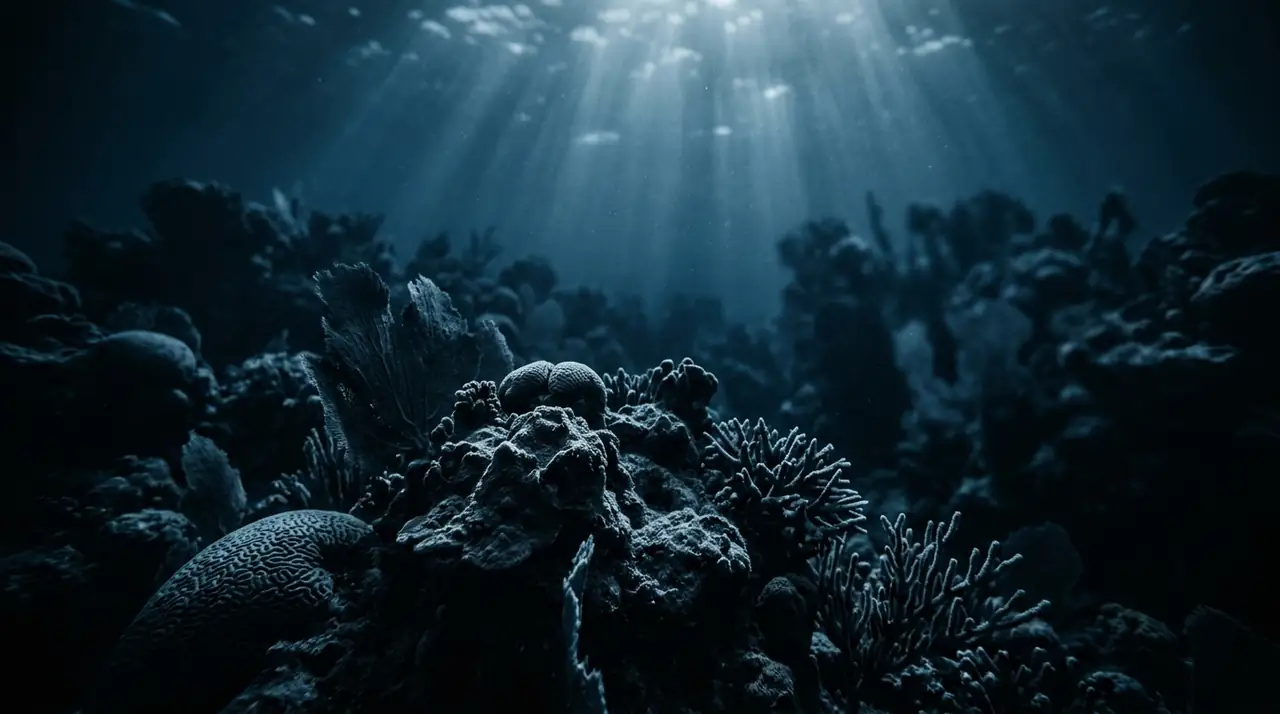
Peru is not a country most divers associate with reef diving, and that misconception is precisely what makes Máncora and its surrounding waters such a revelation. On Peru's far northern coast, barely sixty kilometres from the Ecuadorian border, the cold Humboldt Current that defines Peru's marine identity loses its grip. The warm Equatorial Counter-Current pushes south, and where these two vast systems collide, the ocean produces something extraordinary: a convergence zone where tropical manta rays and cold-water sea lions share the same reef. Órganos Reef lies off the fishing village of Órganos, a short distance south of Máncora, Peru's increasingly popular surf and beach destination. The reef is a rocky platform extending from shore at depths between eight and twenty-two metres, covered in a patchwork of hard and soft corals, algae, and invertebrate life that reflects the biological confusion of the convergence zone. Tropical angelfish and parrotfish swim alongside cold-water species, creating species assemblages that defy normal biogeographic categories. During the warm season from December through April, when the Counter-Current dominates and water temperatures climb to twenty-four or twenty-six degrees, manta rays visit the reef to feed on the plankton blooms that the current convergence generates. These are not daily guaranteed encounters, but when conditions align, the sight of a manta ray cruising over a Peruvian reef alongside sea turtles is one of South American diving's most memorable experiences. Green sea turtles are reliable year-round residents, feeding on the algae-covered rocks and resting in sandy patches between reef sections. South American sea lions patrol the deeper water beyond the reef edge, their sleek bodies appearing from the blue with the speed and agility that earned them their name. And on rare but documented occasions, Humboldt penguins, normally associated with the freezing waters thousands of kilometres to the south, appear in the Máncora area when cold water intrusions push north. The diving infrastructure at Máncora is developing but still modest. A handful of operators based in Máncora and Órganos offer boat dives to the reef and surrounding sites. Equipment quality and dive briefing standards vary, and divers accustomed to the polished service of Caribbean or Southeast Asian operations should calibrate expectations accordingly. What the local operators provide is genuine knowledge of conditions that change dramatically with current patterns and seasons. Máncora diving is honest rather than glamorous. Visibility is variable, conditions are current-dependent, and the reef lacks the technicolour spectacle of tropical coral gardens. But the unique convergence ecology, the chance to see tropical and temperate species sharing a single reef, and the sheer improbability of manta rays off the Peruvian coast make Órganos Reef a site that challenges assumptions about where great diving can be found.
Early access
Plan a dive here
Open the DiveOne planner to sketch a recreational plan before you go. It is a planning assistant, not a dive computer.
Marine life
Dive profile
DEPTH PROFILE
DEPTH PROGRESSION & WAYPOINTS: Órganos Reef
Location
Frequently asked questions
What makes the marine environment at Máncora unique?
Máncora sits at the convergence zone where the warm Equatorial Counter-Current flowing south meets the cold Humboldt Current flowing north along the Peruvian coast. This creates a transition zone where tropical species such as manta rays, sea turtles, and reef fish overlap with cold-water species including sea lions, Humboldt penguins, and temperate fish. The phenomenon makes the northern Peruvian coast one of the most biodiverse marine areas on Earth, with species assemblages not found anywhere else. Water temperature and visibility vary significantly by season as the balance between currents shifts.
When is the best time for manta rays at Máncora?
Manta ray encounters are most likely from December through April when the warm Equatorial Counter-Current dominates and water temperatures rise to 24-26 degrees Celsius. During this period, mantas visit the rocky reefs off Órganos and Los Pocitas to feed on plankton blooms generated by the current convergence. Sightings are not guaranteed and depend on water temperature and plankton conditions. The December to April window also offers the best visibility, typically 15 to 20 metres compared to 8 to 12 metres during the cooler Humboldt-dominated months.
How does diving at Máncora compare to the Ballestas Islands further south?
The Ballestas Islands near Paracas are a cold-water environment dominated by the Humboldt Current, with water temperatures of 14-18 degrees Celsius, limited visibility, and marine life centred on sea lions, penguins, and dense bird colonies. Máncora offers warmer water, better visibility, and tropical reef species including manta rays, sea turtles, and colourful reef fish, while still occasionally hosting Humboldt Current species. Máncora provides a more conventional diving experience with greater comfort, while Ballestas offers a raw cold-water wildlife encounter. The two sites are complementary rather than competing.
Reviews
Reviews
No reviews yet
Data Provenance
This profile is compiled from 3 operator submissions and 142 community logs. Key facts (depth, entry) are verified against official hydrographic charts.