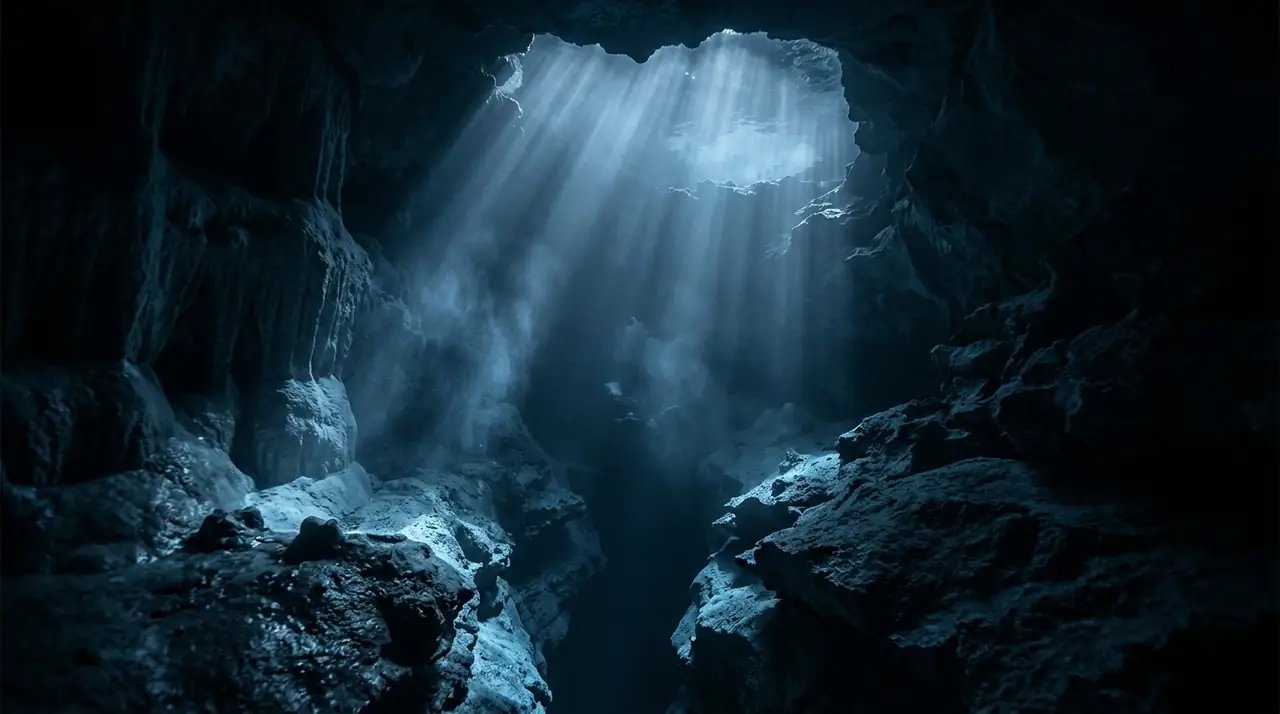
Nusa Penida Manta Bay South
Overview
Manta Bay South occupies a sheltered indentation on Nusa Penida's rugged southern coastline where a series of coral bommies at eight to fifteen metres serve as cleaning stations for both oceanic and reef manta rays. The site's consistent manta presence, shallow depth, and relatively calm conditions create what may be the most accessible manta encounter in Indonesia. The boat ride from Sanur or Padang Bai crosses the Badung Strait in roughly forty-five minutes, the dramatic limestone cliffs of Nusa Penida's south coast rising like fortress walls. The bay itself is semi-enclosed, providing protection from the open ocean swell that batters the island's eastern and western exposures. I descended to the main cleaning station at twelve metres and settled on the sand at a respectful distance. Within three minutes, the first manta appeared from the blue, a reef manta with a wingspan of perhaps three metres, gliding to the bommie with unhurried grace. It hovered above the coral head while a team of cleaner wrasses worked its gills and belly. A second manta arrived, then a third, stacking above the cleaning station in a slow vertical carousel. The behaviour is mesmerising. Each ray approaches the bommie, slows to a near-hover, and presents itself to the cleaners. When satisfied, it peels away in a wide banking turn and circles back to queue again. During the ninety-minute dive I counted seven individual mantas, identified by their unique ventral spot patterns. Between manta passes, the reef itself rewards attention. Banded sea snakes hunting in crevices. Moorish idols in pairs above the coral. Bluefin trevally patrolling the bommie edges. The coral bommies themselves are healthy, with table corals, barrel sponges, and sea fans providing the substrate that sustains the cleaner fish that attract the mantas. The site's accessibility is its greatest asset and its management challenge. Nusa Penida's marine park authority enforces diver limits and approach distances, and responsible operators brief guests thoroughly on manta etiquette. The reward for patience and stillness is an encounter that transforms how divers think about the ocean.
Early access
Plan a dive here
Open the DiveOne planner to sketch a recreational plan before you go. It is a planning assistant, not a dive computer.
Marine life
Dive profile
DEPTH PROFILE
DEPTH PROGRESSION & WAYPOINTS: Nusa Penida Manta Bay South
Location
Frequently asked questions
How is Manta Bay South different from Manta Point on Nusa Penida?
Manta Bay South is a sheltered bay on the island's southern coast with cleaning stations at shallow depth, typically 8 to 15 metres. Manta Point on the southwestern tip is a more exposed site with stronger currents and deeper water. Manta Bay South offers calmer conditions and more predictable manta behaviour as the rays return to the same cleaning stations repeatedly. It is more suitable for beginners and snorkellers, while Manta Point often provides encounters with larger numbers of mantas but in more challenging conditions.
What time of year gives the best manta encounters?
Mantas are present at the cleaning stations year-round, but the dry season from April through November provides the best combination of calm seas and good visibility. July and August see the highest manta activity, with up to a dozen individuals visiting the cleaning stations during a single dive. During the wet season from December to March, rough seas can make the boat journey difficult and occasionally prevent access to the site entirely, though mantas are still present on diveable days.
Do I need to be a certified diver to see the mantas?
No. Manta Bay South is one of the few manta sites worldwide where snorkelling provides equally spectacular encounters. The cleaning stations sit at 8 to 15 metres, but mantas regularly rise to within 2 to 3 metres of the surface during cleaning behaviour, passing directly beneath snorkellers. For divers, Open Water certification is sufficient as maximum depth is 18 metres and currents are typically mild within the bay.
Reviews
Reviews
No reviews yet
Data Provenance
This profile is compiled from 3 operator submissions and 142 community logs. Key facts (depth, entry) are verified against official hydrographic charts.