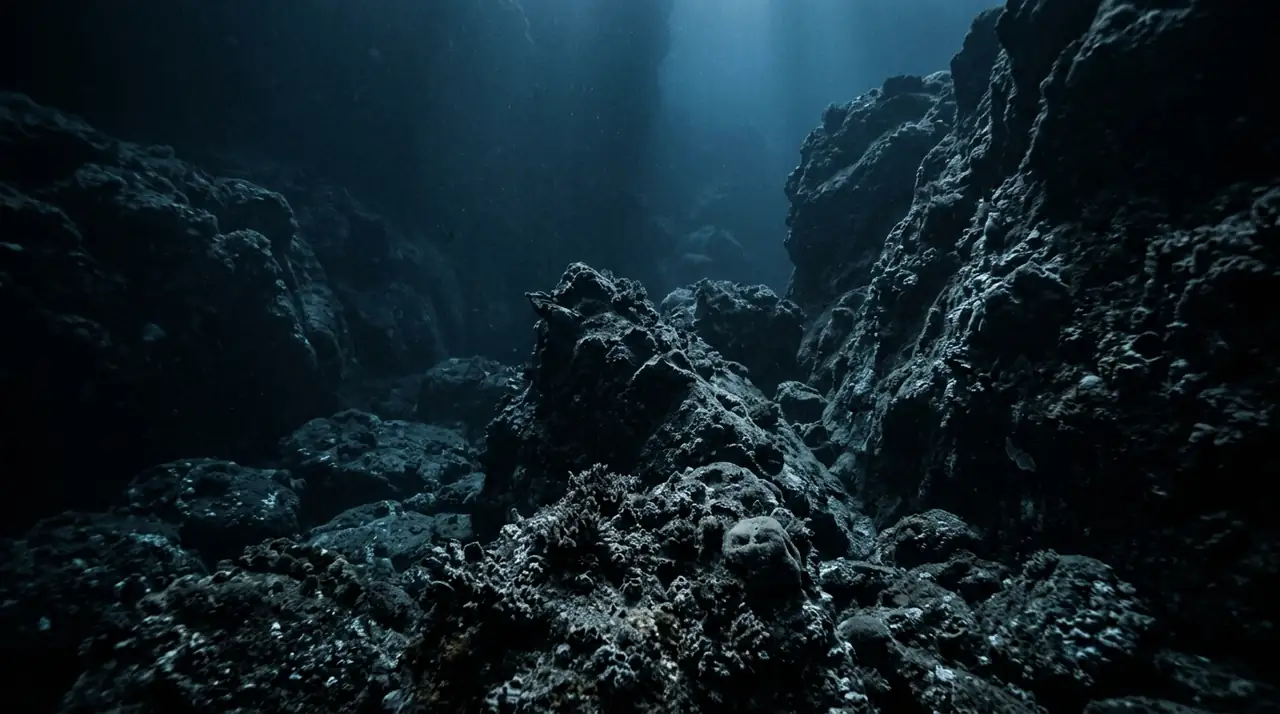
Nosy Komba Reef
Overview
Nosy Komba is a volcanic island rising steeply from the channel between Nosy Be and the northwestern Madagascar mainland. Known locally as the Island of Lemurs for its population of black lemurs that descend from the forest canopy to greet visitors on the beach, this cone-shaped island also harbours some of the most accessible and rewarding reef diving in the Madagascar archipelago. The reefs wrap around the island's perimeter, with the best diving concentrated on the western and southern flanks where the volcanic substrate drops in a series of coral-encrusted steps from the shallows to depths beyond twenty-eight metres. I rolled off the boat on the southwest corner of the island on a windless June morning. The descent was like entering a terraced garden. Shallow platforms of branching Acropora gave way to slopes carpeted in soft corals and sea fans, their purple and orange polyps fully extended in the gentle current. At fifteen metres, a pair of green turtles rested on a sandy ledge, their shells dappled with sunlight filtering through the water above. They barely acknowledged my presence, tucking their heads slightly before returning to their algae-grazing with the unhurried contentment of animals that know this reef is home. The volcanic rock creates an architecture that flat coral reef cannot match. Boulders the size of cars form swim-throughs and overhangs, their surfaces colonised by encrusting sponges in electric yellows and reds. In one overhang at twenty metres, I found a leaf scorpionfish rocking gently with the surge, its frilled body so perfectly mimicking a dead leaf that I nearly swam past. A few metres further, an octopus flowed across the rock face, changing colour and texture with each movement in a display that no screen can faithfully reproduce. The endemic species here set Nosy Komba apart. The Madagascar anemonefish, smaller and more vividly orange than its Indo-Pacific cousins, tends its host anemone with fierce territoriality, charging at camera lenses and fin tips with equal aggression. Nudibranchs in species that have been formally described only recently creep across the sponge gardens, their intricate patterns suggesting that evolution has a sense of design that surpasses human aesthetics. The macro life is excellent, but the reef also delivers on scale. Schools of longfin bannerfish parade along the reef crest in formations so orderly they look choreographed. Map puffers hover near the bottom, their labyrinthine skin patterns looking like satellite imagery of river deltas. On the deeper sections, whitetip reef sharks occasionally cruise past, though they are more skittish here than on remote oceanic reefs. The diving at Nosy Komba may lack the headline pelagic encounters of open ocean sites, but it compensates with intimacy, colour, and the peculiar magic of a reef that sits in the shadow of an island where lemurs swing through the trees.
Early access
Plan a dive here
Open the DiveOne planner to sketch a recreational plan before you go. It is a planning assistant, not a dive computer.
Marine life
Dive profile
DEPTH PROFILE
DEPTH PROGRESSION & WAYPOINTS: Nosy Komba Reef
Location
Frequently asked questions
How is Nosy Komba different from Nosy Tanikely for diving?
Nosy Tanikely is a small marine reserve with a designated snorkelling and shallow diving area, while Nosy Komba offers deeper reef dives on volcanic slopes that descend to twenty-eight metres and beyond. Nosy Komba's reefs are less visited, with more varied topography and a greater chance of encountering pelagic visitors. The coral coverage on Nosy Komba tends to be healthier on the deeper sections due to less snorkeller traffic. Many operators combine both islands in a full-day diving trip.
What is the best way to get to Nosy Komba?
Nosy Komba sits between Nosy Be and the Madagascar mainland, about a twenty-minute boat ride from Hell-Ville on Nosy Be. Most divers base themselves on Nosy Be, which has an international airport with connections from Antananarivo, Reunion, and Mayotte. Dive operators on Nosy Be include Nosy Komba reef sites in their regular rotation. It is also possible to stay on Nosy Komba itself in small guesthouses, though dive infrastructure is more limited there.
Are there seasonal highlights for diving at Nosy Komba?
The dry season from April to November offers the best conditions with calmer seas and visibility reaching twenty-five metres. Whale sharks are occasionally spotted from October to December. Humpback whales pass through from July to September. The wet season from December to March brings warmer water but reduced visibility and occasional cyclone activity that can disrupt boat operations for days at a time.
Reviews
Reviews
No reviews yet
Data Provenance
This profile is compiled from 3 operator submissions and 142 community logs. Key facts (depth, entry) are verified against official hydrographic charts.