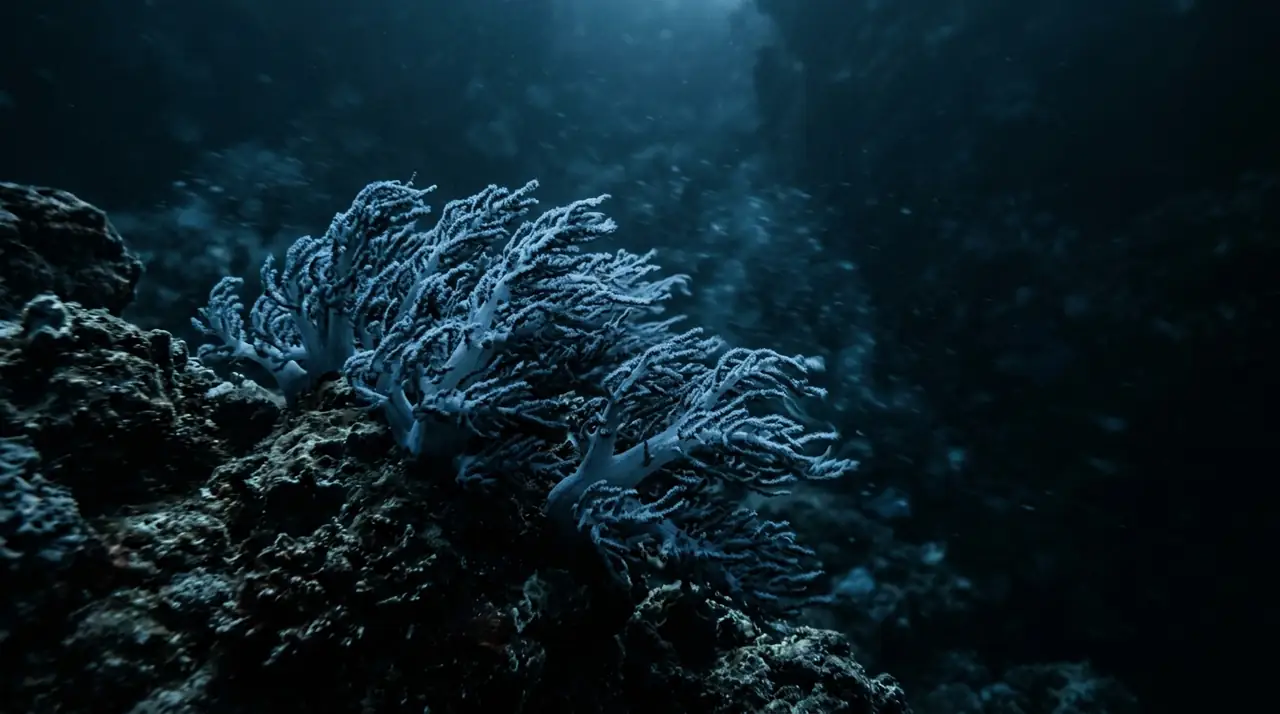
Ningaloo Reef - Whale Sharks
Overview
Ningaloo Reef is Australia's other great reef, a UNESCO World Heritage-listed fringing reef stretching 260 kilometres along the remote coast of Western Australia's North West Cape. Unlike the Great Barrier Reef, Ningaloo lies remarkably close to shore, in places just 100 metres from the beach, making it one of the most accessible major reef systems on Earth. But it is the annual whale shark aggregation that has made Ningaloo a pilgrimage site for marine wildlife enthusiasts worldwide. Each year from mid-March through July, whale sharks, the world's largest fish reaching lengths of up to 18 metres, gather along Ningaloo's outer reef to feed on the plankton blooms triggered by the mass coral spawning. Spotter aircraft patrol the coastline and radio coordinates to waiting boats, which then position snorkellers in the path of these gentle giants. Swimming alongside a whale shark as it glides through the blue is consistently ranked among the most profound wildlife encounters on the planet. The animals are protected by strict interaction codes that limit group sizes and maintain minimum distances. Beyond whale sharks, Ningaloo's marine biodiversity is staggering. The reef supports over 500 species of fish, 300 species of coral, and a wealth of megafauna. Reef manta rays frequent cleaning stations along the reef from May to November, offering reliable encounters for snorkellers and divers alike. Humpback whales migrate through from August to November, and Western Australia pioneered licensed swim-with-humpback experiences that have become a sought-after adventure. Dugongs graze on seagrass meadows in the shallows, and three species of sea turtle nest on the Cape's beaches. Scuba diving on Ningaloo's reef proper is outstanding. The outer reef wall drops from shallow coral gardens into deeper water alive with whitetip and blacktip reef sharks, spotted eagle rays, and schools of giant trevally. The inner lagoon offers gentle, colourful dives over bommies teeming with anemonefish, parrotfish, and butterflyfish. Macro enthusiasts find nudibranchs, pipefish, and mantis shrimp among the coral rubble. Visibility ranges from 15 to 30 metres depending on conditions, with water temperatures between 22 and 29 degrees Celsius throughout the year. Exmouth and Coral Bay serve as the main gateway towns, with multiple operators offering everything from single-day whale shark tours to multi-day reef diving expeditions. The reef's remote location and relatively low visitor numbers mean that encounters feel intimate and uncrowded, a stark contrast to many of the world's other major marine attractions.
Early access
Plan a dive here
Open the DiveOne planner to sketch a recreational plan before you go. It is a planning assistant, not a dive computer.
Marine life
Dive profile
DEPTH PROFILE
DEPTH PROGRESSION & WAYPOINTS: Ningaloo Reef - Whale Sharks
Location
Near Exmouth, in the Western Australia region of Australia.
Frequently asked questions
When is the best time to see whale sharks at Ningaloo Reef?
Whale sharks congregate at Ningaloo Reef from mid-March through July, with peak sightings from April to June coinciding with the annual coral spawning. Spotter planes locate the sharks from the air and guide boats into position so swimmers can enter the water ahead of the approaching animal. Encounter rates during peak season exceed 90 percent on full-day tours.
Can I scuba dive with whale sharks at Ningaloo or is it snorkelling only?
The primary whale shark interaction at Ningaloo is snorkelling, as Western Australian regulations require swimmers to stay on the surface when approaching whale sharks to minimise disturbance. However, Ningaloo offers outstanding scuba diving on the reef itself, where you can encounter manta rays, reef sharks, turtles, and extraordinary coral gardens. Some operators combine whale shark snorkelling with reef scuba diving on the same trip.
What other marine life can I see at Ningaloo Reef besides whale sharks?
Ningaloo Reef is a year-round marine paradise. Manta rays are present from May to November at cleaning stations along the reef. Humpback whales pass through from August to November, and since 2016, licensed swim-with-humpback encounters have been available. The reef is home to dugongs, dolphins, and over 500 species of fish. From October to February, three species of sea turtle nest on nearby beaches. The coral spawning in March and April triggers an explosion of life that draws whale sharks and mantas alike.
Reviews
Reviews
No reviews yet
Data Provenance
This profile is compiled from 3 operator submissions and 142 community logs. Key facts (depth, entry) are verified against official hydrographic charts.