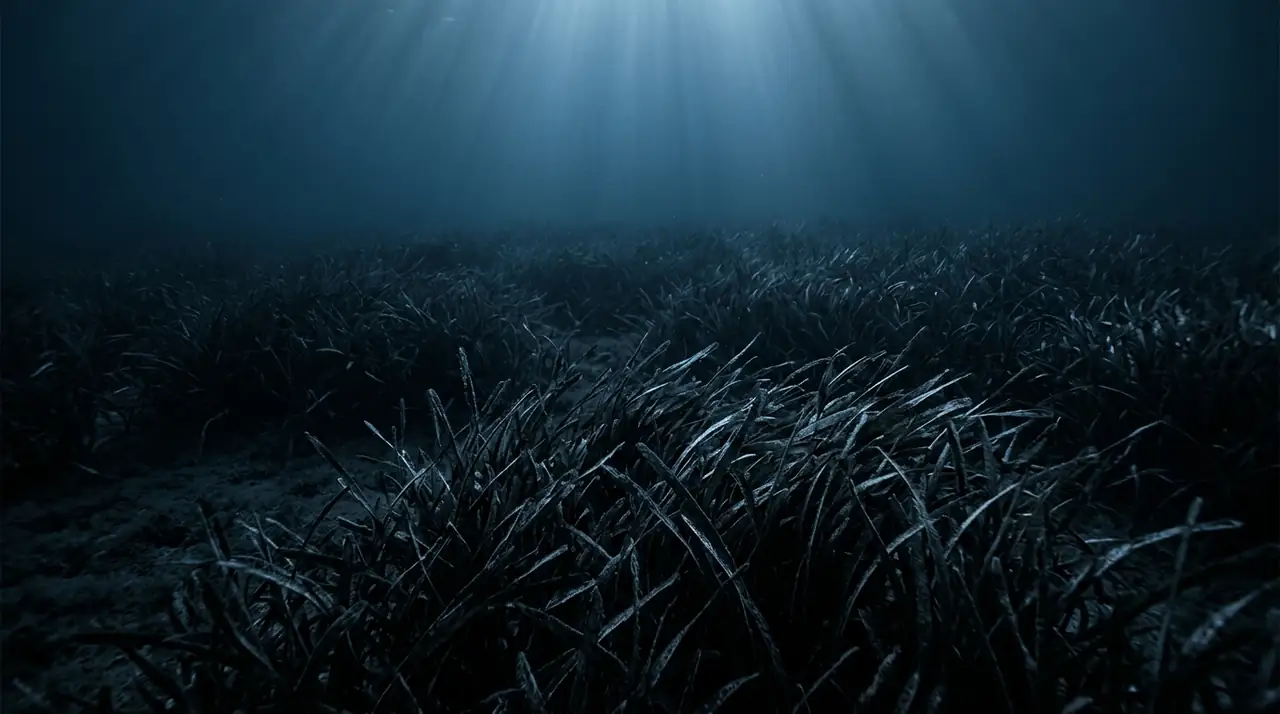
Ned's Beach
Overview
Ned's Beach lies on the eastern shore of Lord Howe Island, a crescent of white sand backed by Norfolk pines opening onto the world's southernmost coral reef. Lord Howe, a UNESCO World Heritage site roughly 600 kilometres northeast of Sydney, limits visitors to 400 at any time, creating a diving experience defined as much by what is absent as by what is present. The reef begins in ankle-deep water and extends over coral bommies and sand patches to around fifteen metres. The shallow sections are remarkable for the density and fearlessness of the fish. Lord Howe's isolation means fish behave as if humans are simply another reef feature. The daily beach fish feeding brings hundreds swarming into the shallows in an iconic spectacle. The outer reef reveals Lord Howe's unique marine character. Tropical coral species carried south by the East Australian Current reach their limit here and coexist with temperate species: butterflyfish alongside blue groper, warm-water corals beside cold-water kelp, and throughout, species found nowhere else on Earth. The Lord Howe Island butterflyfish, with its striking black dorsal bar on a golden-yellow body, is the marine emblem. McCulloch's anemonefish, another endemic, peers from its host anemone with territorial attitude. Seeing these for the first time carries the thrill of encountering something genuinely unique. Visibility is exceptional, routinely 20 to 30 metres. Wobbegong sharks rest camouflaged on the bottom, green sea turtles graze on the reef flats, and the luminous light quality gives the underwater scene an ethereal character. Ned's Beach represents Lord Howe diving at its most accessible, where snorkelers, beginners, and experienced divers share a reef of extraordinary quality.
Early access
Plan a dive here
Open the DiveOne planner to sketch a recreational plan before you go. It is a planning assistant, not a dive computer.
Marine life
Dive profile
DEPTH PROFILE
DEPTH PROGRESSION & WAYPOINTS: Ned's Beach
Location
Near Lord Howe Island, in the New South Wales region of Australia.
Frequently asked questions
What makes Ned's Beach special compared to other Lord Howe dive sites?
Ned's Beach is the most accessible and beginner-friendly dive and snorkel site on Lord Howe Island. Its east-facing sheltered position provides calm conditions most of the year, and the reef starts in water barely one metre deep, making it ideal for snorkelers and new divers. The beach is famous for its daily fish feeding, where endemic species including wrasse, kingfish, and mullet swarm to shore in extraordinary numbers. For divers, the reef extends from the beach to a depth of around fifteen metres, with coral bommies separated by sand channels. The site contrasts with the more exposed and deeper Ball's Pyramid sites.
How do I get to Lord Howe Island?
Lord Howe Island is reached by flights from Sydney, Brisbane, and Port Macquarie, with flight times of approximately two hours from Sydney. The island limits visitor numbers to 400 at any time to protect its World Heritage environment, so accommodation must be booked in advance and can fill quickly during peak season. There are no cars for rent; visitors walk or cycle around the small island. A single dive operator runs daily trips to various sites around the island and the spectacular Ball's Pyramid, a volcanic sea stack 23 kilometres to the southeast.
What endemic species can be found at Ned's Beach?
Lord Howe Island has a remarkable number of endemic marine species due to its isolation and unique position as the world's southernmost coral reef. The Lord Howe Island butterflyfish, with its distinctive black and yellow markings, is found nowhere else on Earth and is commonly seen at Ned's Beach. McCulloch's anemonefish, another endemic, inhabits anemones on the reef. The doubleheader wrasse, eastern blue devil, and several species of blenny are also endemic or near-endemic. Overall, approximately eight percent of the island's fish species and fifteen percent of its marine invertebrates are found nowhere else.
Reviews
Reviews
No reviews yet
Data Provenance
This profile is compiled from 3 operator submissions and 142 community logs. Key facts (depth, entry) are verified against official hydrographic charts.