Namotu Wall
Overview
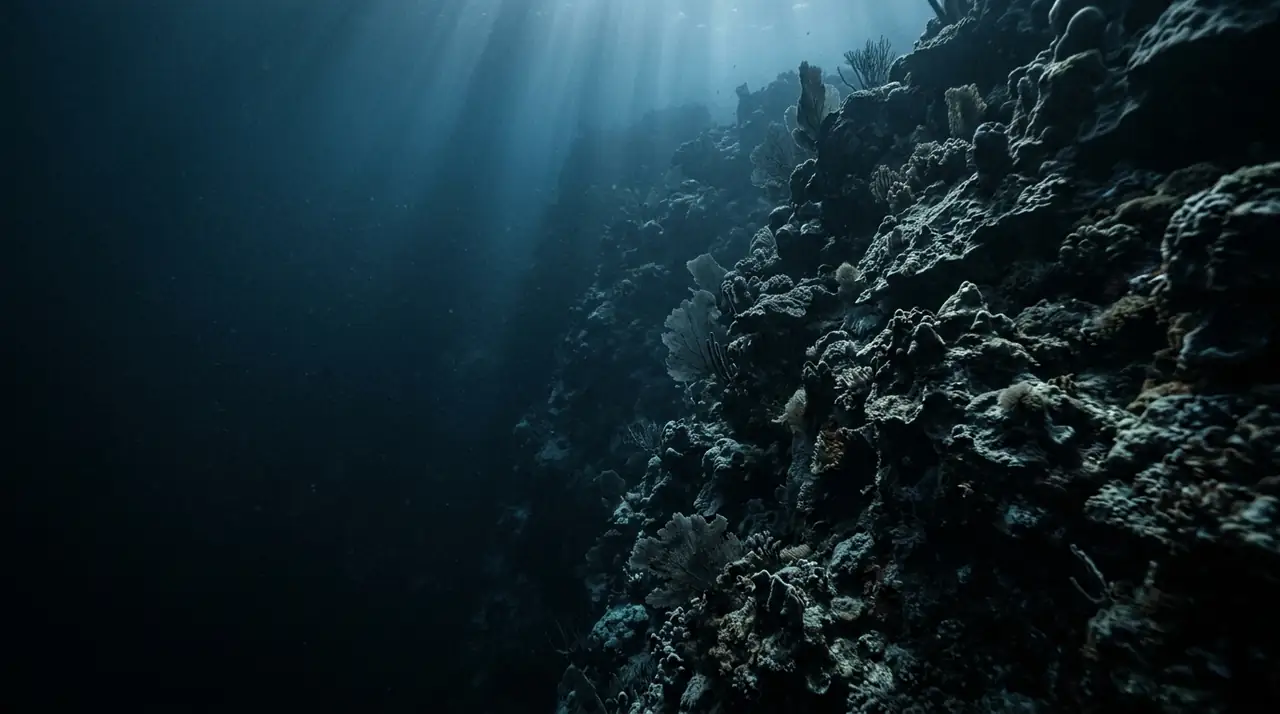
Namotu Wall is the outer rampart of the same reef system that creates the legendary surf breaks of Namotu Island. While surfers know this tiny Mamanuca island for its waves, divers know the other side, where the platform edge drops vertically into deep Fijian blue. The dive boat anchored on the reef flat at five metres, and I descended over the edge. The transition was immediate. The horizontal reef garden gave way to a vertical face dropping beyond visibility, covered in soft corals of an intensity that justifies Fiji's reputation as the soft coral capital of the world. Dendronephthya in crimson, orange, pink, and purple cascaded down the wall face. Sea fans the size of dining tables extended from the wall, oriented to intercept plankton-rich water flowing along the reef edge. Sea whips spiralled from every available surface. At fifteen metres, a grey reef shark appeared at the wall edge, swimming into the current with efficient grace. A second followed, then a third at greater depth. The sharks patrol this wall continuously, using upwelling currents to hunt fish swept off the reef platform above. Their presence confirmed ecosystem health, apex predators requiring productive reef to sustain their demands. Deeper at twenty-five metres, soft coral coverage intensified where the wall offered overhanging surfaces. A cleaning station attracted groups of surgeonfish queuing while cleaner wrasses picked parasites from their scales. Anthias swarmed in orange and purple clouds around the soft corals. On the ascent, a manta ray glided along the wall edge at eight metres, its three-metre wingspan throwing a shadow across the reef face. It banked sharply, turned, and made a second pass with mouth open in feeding mode. The encounter lasted perhaps thirty seconds, entirely on the manta's terms. Namotu Wall delivers the vertical reef experience that makes Fijian diving distinctive, combining soft coral colour with the pelagic encounters that a true ocean wall provides.
Early access
Plan a dive here
Open the DiveOne planner to sketch a recreational plan before you go. It is a planning assistant, not a dive computer.
Marine life
Dive profile
DEPTH PROFILE
DEPTH PROGRESSION & WAYPOINTS: Namotu Wall
Location
Frequently asked questions
How does Namotu Wall differ from Namotu Left?
Namotu Left is a reef dive on the shallow platform beneath the island's famous surf break, typically at 5 to 18 metres with hard coral coverage and shark encounters. Namotu Wall is the outer edge of this same reef platform, but dropping vertically from 5 metres to well beyond recreational limits. The wall offers dramatic topography, dense soft coral gardens, and pelagic encounters that the inner reef does not provide. The two sites complement each other and can be dived on the same day trip.
What makes Fiji's soft corals special?
Fiji is known as the soft coral capital of the world, and the Mamanuca and Bligh Water reefs demonstrate why. The strong tidal currents flowing through Fiji's island passages deliver nutrients that soft corals depend on, and the reef structure provides ideal attachment points on vertical and overhanging surfaces. The result is walls and pinnacles festooned with Dendronephthya in vivid reds, oranges, pinks, and purples that are denser and more colourful than almost anywhere else in the Pacific.
When are manta rays seen at Namotu Wall?
Manta rays visit Namotu Wall throughout the year but are most commonly seen from May through October when plankton levels are highest in the Mamanuca channels. The rays use the wall edge for feeding, swimming along the reef face with mouths open to filter plankton from the current. Sightings are not guaranteed on every dive but occur regularly enough that repeat visitors during the season have a high probability of at least one encounter.
Reviews
Reviews
No reviews yet
Data Provenance
This profile is compiled from 3 operator submissions and 142 community logs. Key facts (depth, entry) are verified against official hydrographic charts.