Mykonos Paradise Reef
Overview
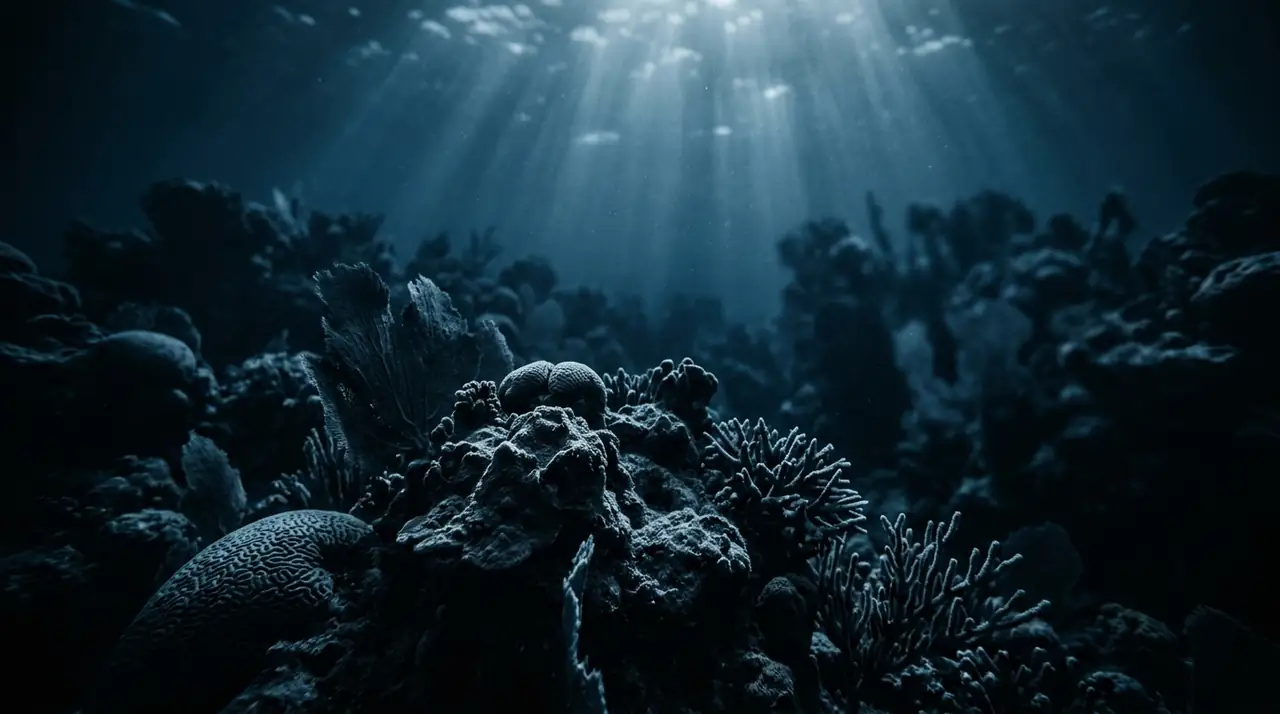
Paradise Reef sits off the southern coast of Mykonos, tucked behind the shelter of the island's famous party beaches and protected from the meltemi winds that batter the Aegean from June through September. The name comes from its proximity to Paradise Beach rather than any exaggeration, though the diving here is genuinely excellent and often overlooked by visitors who associate Mykonos exclusively with nightlife. The reef structure is formed by massive granite boulders and volcanic rock formations tumbling from the coastline into deepening blue water. Between 5 and 15 metres, the boulders create a labyrinth of swim-throughs, overhangs, and small caves that are atmospheric without being claustrophobic. Light penetrates from multiple angles through gaps in the rock, creating dramatic illumination that underwater photographers chase. I dropped into water so clear I could see the anchor chain stretched to the bottom 20 metres below. Octopuses are the signature species here, and they are everywhere. I counted five on a single dive, several out in the open during the morning hours, moving across the rocks with the fluid intelligence that makes them endlessly watchable. Dusky groupers held position in the shadows, and a Mediterranean barracuda patrolled the blue edge of the reef. The Posidonia seagrass meadows surrounding the reef are dense and healthy, sheltering juvenile fish and providing habitat for ornate wrasses and painted combers. Red starfish are scattered across the sand between the grass beds, and nudibranchs dot the rocky surfaces for those with patience. What makes Paradise Reef particularly valuable is its accessibility. The boat ride from Mykonos harbour takes ten minutes, the depth range accommodates every certification level, and conditions are reliably calm. For certified divers visiting Mykonos who want to see what lies beneath the party island's surface, this is a genuinely rewarding site. The marine protection zone has kept fish populations healthy, and the contrast between the hedonism above and the tranquility below is itself worth the dive.
Early access
Plan a dive here
Open the DiveOne planner to sketch a recreational plan before you go. It is a planning assistant, not a dive computer.
Marine life
Dive profile
DEPTH PROFILE
DEPTH PROGRESSION & WAYPOINTS: Mykonos Paradise Reef
Location
Frequently asked questions
Is Mykonos Paradise Reef suitable for beginner divers?
Yes, Paradise Reef is one of the most beginner-friendly dive sites in the Cyclades. The reef starts at around 5 metres and descends gradually to 25 metres, so instructors can keep new divers in the shallower sections between 5 and 12 metres where conditions are calm and visibility excellent. The site is sheltered from the prevailing meltemi wind on the southern coast, and currents are generally mild. Several Mykonos dive centres offer discover scuba diving experiences and Open Water courses that use Paradise Reef as their primary training site.
How does the meltemi wind affect diving at Mykonos?
The meltemi is a strong dry northerly wind that blows across the Aegean from June through September, sometimes reaching gale force. Paradise Reef sits on the southern coast of Mykonos, which provides natural shelter from these winds. Most dive operators schedule dives around wind forecasts, and the southern sites remain accessible when northern exposures are too rough. During strong meltemi days, boats may adjust to more sheltered sites around the island. Operators typically provide updated dive plans each morning based on conditions.
What other dive sites are accessible from Mykonos?
Mykonos offers around a dozen established dive sites within short boat rides. Notable sites include the wreck of the Anna II cargo ship at 24 metres, Dragonisi island caves with dramatic light effects, and Lia reef with its massive Posidonia seagrass meadows. The neighbouring uninhabited island of Rhenia has pristine walls and archaeological restrictions that have preserved its underwater environment. Day trips to Delos are also possible, combining ancient history with diving. Most operators run two-tank morning trips covering different sites.
Reviews
Reviews
No reviews yet
Data Provenance
This profile is compiled from 3 operator submissions and 142 community logs. Key facts (depth, entry) are verified against official hydrographic charts.