Musha Islands
Overview
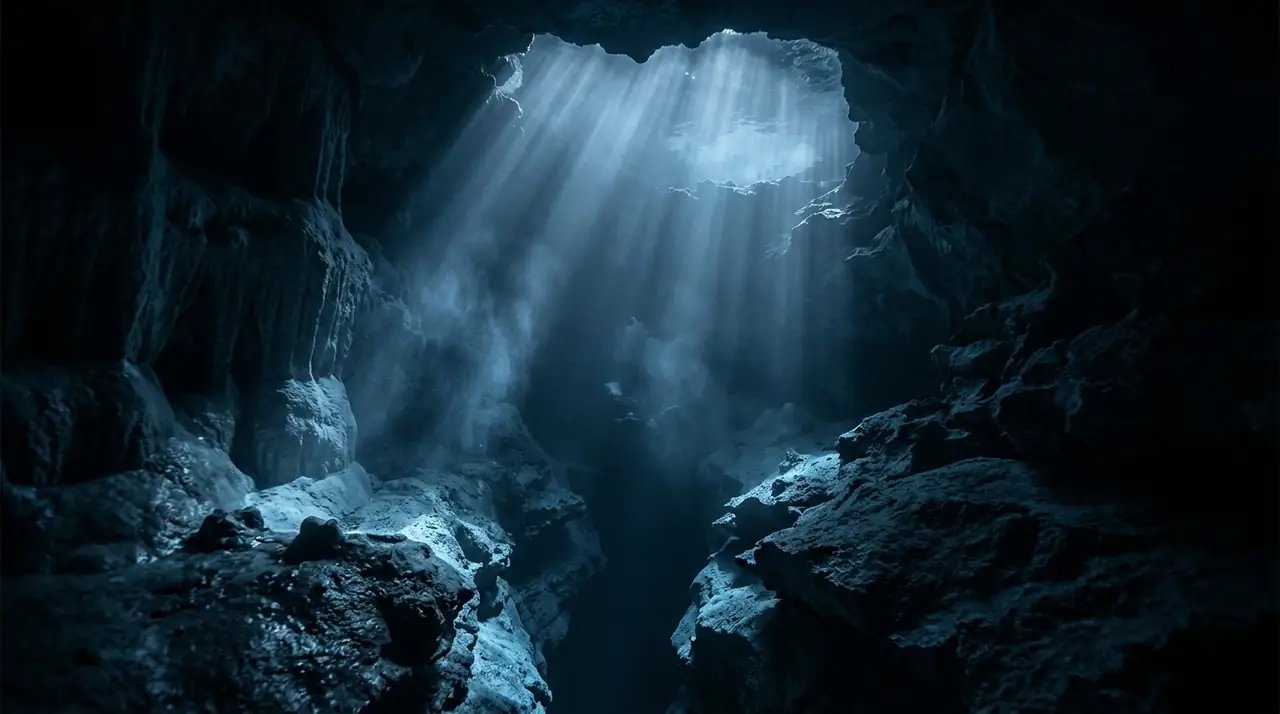
The Musha Islands are a scattering of small volcanic islets in the Gulf of Tadjoura, just thirty minutes by speedboat from the concrete sprawl of Djibouti City. Despite their proximity to the capital, these islands feel genuinely remote. The arid, wind-scoured rocks rise from water so clear it appears to have been filtered through glass, and the reefs below the waterline are among the healthiest I have encountered anywhere in the greater Red Sea region. Djibouti sits at the ecological crossroads where the Red Sea meets the Gulf of Aden, and this confluence creates conditions that support an unusually diverse mix of species from both bodies of water. I visited during late November, timing my trip to coincide with the early whale shark season. The first morning was devoted to reef diving around the largest of the Musha group. Dropping down a volcanic wall on the eastern exposure, I was immediately struck by the density of hard coral coverage. Massive Porites colonies the size of small cars formed the foundation, with branching Acropora and delicate Seriatopora filling every gap. The colours were vivid: electric blues, purples, and the distinctive salmon pink of healthy coral tissue catching the filtered sunlight. A Napoleon wrasse appeared from behind a coral head, its thick lips and bulging forehead giving it the appearance of an underwater philosopher. It circled me once, slowly, then drifted back into the reef with an air of studied indifference. The fish life was dense and confident, a reliable indicator of low fishing pressure. Schools of butterflyfish in at least six species worked the coral face, picking at polyps with their elongated snouts. Parrotfish in gaudy terminal-phase colours crunched audibly on the coral, their grinding clearly audible from metres away. At the base of the wall at twenty-five metres, a giant moray eel extended from a crevice, its mouth agape in the characteristic gaping that looks threatening but is simply the animal breathing. Bluefin trevally patrolled the edge where the reef met the sand, their metallic blue flanks flashing in the light. The whale shark encounter came on the third day. The boat captain spotted a shadow from the surface in the open water between the islands, and we slipped in with snorkels. The shark was a juvenile, perhaps five metres long, feeding just below the surface in water thick with plankton. It moved with the unhurried grace that only the very largest animals possess, its enormous mouth vacuuming the water in rhythmic gulps. I freedived down alongside it, matching its pace for thirty seconds before my lungs demanded I return to the surface. In that half-minute, time compressed and expanded simultaneously in the way that only wildlife encounters of this magnitude can produce. Djibouti will never be a mainstream dive destination, and that is precisely its appeal. The Musha Islands offer diving that rivals the northern Red Sea's best reef sites with a fraction of the boat traffic. The combination of healthy reefs, seasonal megafauna, and genuine solitude creates an experience that feels like a privilege rather than a product.
Early access
Plan a dive here
Open the DiveOne planner to sketch a recreational plan before you go. It is a planning assistant, not a dive computer.
Marine life
Dive profile
DEPTH PROFILE
DEPTH PROGRESSION & WAYPOINTS: Musha Islands
Location
Near Djibouti City, in the Djibouti Region region of Djibouti.
Frequently asked questions
How are the Musha Islands different from Moucha Island for diving?
Moucha Island is the most popular and accessible dive destination from Djibouti City, with established mooring points and regular day-trip traffic. The Musha Islands, also known as Iles des Sept Freres or Maskali area depending on the specific islets, offer less visited reefs with more intact coral coverage. The underwater topography around the Musha group tends to be steeper with more dramatic wall sections, while Moucha features gentler slopes. Both areas benefit from the same Gulf of Tadjoura whale shark season.
Is diving infrastructure well developed in Djibouti?
Djibouti has a small but professional diving community with a handful of operators based in Djibouti City. The infrastructure is basic compared to mainstream Red Sea destinations like Egypt or Jordan, but equipment is well maintained and guides are experienced. Most diving is done from rigid inflatable boats with short transit times to the island sites. Nitrox is available at some centres. The country's small size means all dive sites are accessible as day trips from the capital.
When can I see whale sharks near the Musha Islands?
Whale sharks aggregate in the Gulf of Tadjoura, the body of water surrounding the Musha Islands, primarily from November through February. The sharks are attracted by plankton blooms triggered by the cooling northeast monsoon winds. Sightings are most reliable in December and January. Encounters are typically snorkel-based from the surface, though some operators offer scuba encounters when the sharks descend to deeper water. Outside whale shark season, the reef diving around the islands remains excellent.
Reviews
Reviews
No reviews yet
Data Provenance
This profile is compiled from 3 operator submissions and 142 community logs. Key facts (depth, entry) are verified against official hydrographic charts.