Munseom Island
Overview
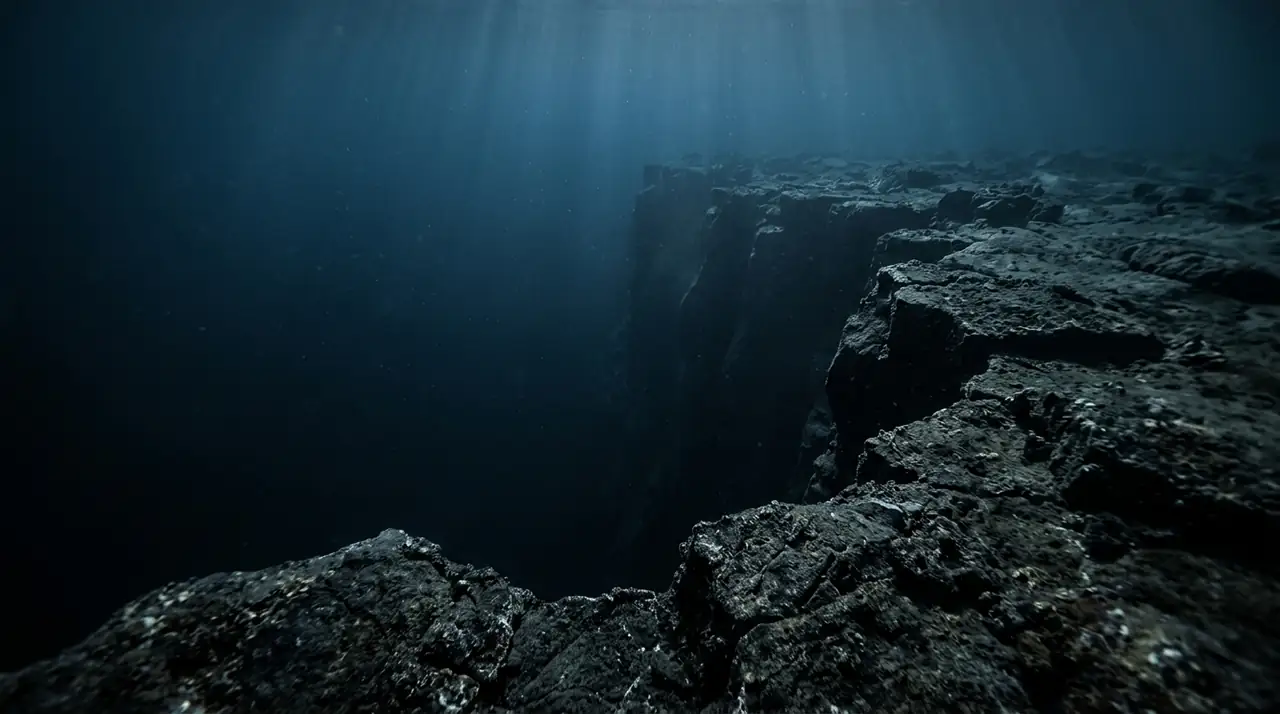
Munseom Island is the crown jewel of South Korean diving, a volcanic islet rising from the sea just 1.5 kilometres off Seogwipo's waterfront on Jeju Island's southern coast. Designated as part of the Seogwipo Marine Provincial Park, its underwater landscape of sheer basalt walls, boulder fields, and hidden swim-throughs is blanketed in some of the most spectacular soft coral formations found anywhere in Northeast Asia. The site is divided between Big Munseom and Little Munseom, connected by shallow reef and offering distinct diving experiences. Big Munseom features gradual slopes covered in coral gardens at shallower depths and dramatic vertical walls on its northern face that plunge to 30 metres and beyond. Little Munseom is famous for its north wall, where maintaining perfect buoyancy is essential as you drift past dense thickets of soft coral in electric purple, burnt orange, and deep crimson. The volcanic rock provides a dark canvas that makes these colours appear almost luminous, especially when autumn sunlight penetrates deep into the water column. For advanced divers, two shipwrecks rest at depths exceeding 30 metres near the islets, adding exploration and history to the diving programme. Over 60 species of coral have been documented around Munseom, and the marine life reflects the unique temperate-subtropical mixing that characterises Jeju waters. Schools of yellowtail and sea bream patrol the midwater, octopus and cuttlefish hide among the boulders, and nudibranchs of numerous species provide endless macro photography subjects. Sea turtles are becoming more frequent visitors as ocean temperatures rise. The best diving conditions occur from September through November, when water temperatures range from 20 to 24 degrees Celsius and visibility reaches its annual peak of 15 to 20 metres. The close proximity to Seogwipo means multiple dives per day are easy to arrange, and the island's growing dive industry offers equipment rental, courses, and guided dives in both Korean and English. Jeju's excellent air connections from Seoul and Busan make Munseom accessible for weekend diving trips as well as longer stays.
Early access
Plan a dive here
Open the DiveOne planner to sketch a recreational plan before you go. It is a planning assistant, not a dive computer.
Marine life
Dive profile
DEPTH PROFILE
DEPTH PROGRESSION & WAYPOINTS: Munseom Island
Location
Frequently asked questions
What certification do I need for the Munseom Island wall dives?
The main wall dives along Big and Little Munseom range from 10 to 30 metres, requiring Advanced Open Water certification for the deeper sections. The shipwrecks that rest at depths exceeding 30 metres require Deep Diver specialty certification and prior experience with deeper dives. The shallower areas around 10 to 15 metres are accessible to Open Water certified divers with guide supervision. Good buoyancy control is important on all Munseom dives to protect the delicate soft coral formations.
Why are Munseom's soft corals so colourful compared to tropical reefs?
The volcanic basalt substrate at Munseom provides an ideal anchoring surface for soft coral growth, and the nutrient-rich currents from the Tsushima Current deliver abundant food. The cooler water temperatures compared to tropical reefs actually enhance the pigmentation of many soft coral species, producing the vivid purples, oranges, and reds that make Munseom famous. Sunlight penetrates the clear autumn water to depths of 40 metres, illuminating the corals against the dark volcanic rock for a dramatic contrast.
How far is Munseom Island from Seogwipo?
Munseom Island lies just 1.5 kilometres off the Seogwipo waterfront, making it a quick 10 to 15 minute boat ride from the harbour. Most dive operators run multiple trips daily during the diving season. Big Munseom and Little Munseom are the two main formations, connected by shallow reef, and a typical trip visits two to three dive points around the islets.
Reviews
Reviews
No reviews yet
Data Provenance
This profile is compiled from 3 operator submissions and 142 community logs. Key facts (depth, entry) are verified against official hydrographic charts.