Moyo Island North Reef
Overview
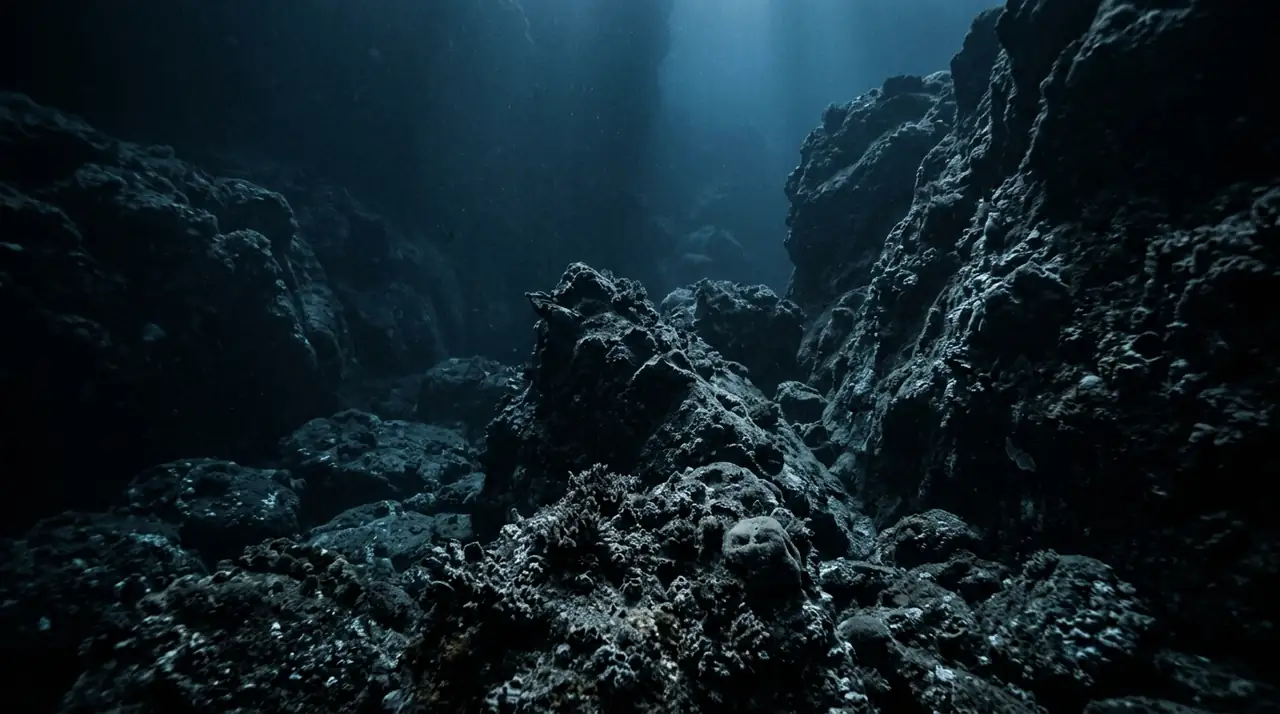
Moyo Island's north reef is the wild side of an already remote destination. While the island's southern coast has gained recognition through its luxury resort and calm, sheltered dive sites, the northern exposure is a different proposition entirely. Here, the reef slopes face the open Flores Sea without the protection of Sumbawa's bulk, receiving oceanic currents that bring cooler water, better visibility, and marine life that the south rarely sees. The reef structure on the north coast is built on volcanic substrate that creates a series of ridges and channels perpendicular to the current flow. These natural funnels concentrate water movement and attract fish in disproportionate numbers. Descending onto a ridge at 12 metres, the difference from the calm south was immediate. The coral grows compact and tough, shaped by constant water movement into streamlined forms. Sea fans angle into the current like living satellite dishes, and hard corals form tight, wave-resistant colonies. Reef sharks are present on nearly every dive. White tips cruise the channels between ridges, and blacktips patrol the shallower reef edge. Schools of giant trevally work the current lines with predatory intent, their silver bodies flashing as they turn to attack baitfish pushed against the reef by the flow. Napoleon wrasse of impressive size occupy the deeper ridges, and green turtles rest in the lee of coral bommies where current eddies create calm pockets. During the upwelling months from July to October, the north reef transforms. Cooler water from depth brings plankton blooms, and with the plankton come manta rays. They arrive to feed along the reef edge, their broad wings pumping through the enriched water. Eagle rays also appear in greater numbers during this period, their spotted forms gliding over the reef like underwater birds. Moyo's north reef is not easy diving. The boat ride is long, the currents demand respect, and conditions can deteriorate quickly. But for divers seeking the Indonesia of thirty years ago, before liveaboard fleets changed the character of famous sites, this northern coast offers something increasingly rare: genuine discovery on a reef that sees almost no one.
Early access
Plan a dive here
Open the DiveOne planner to sketch a recreational plan before you go. It is a planning assistant, not a dive computer.
Marine life
Dive profile
DEPTH PROFILE
DEPTH PROGRESSION & WAYPOINTS: Moyo Island North Reef
Location
Near Sumbawa Besar, in the West Nusa Tenggara region of Indonesia.
Frequently asked questions
How does the north reef differ from the southern coast of Moyo Island?
Moyo's southern coast is sheltered by Sumbawa and hosts the island's luxury resort and most visited dive sites, which tend to be calm reef gardens suitable for all levels. The north coast faces the open Flores Sea and receives direct oceanic currents, creating more dynamic diving conditions with stronger water movement, better visibility on incoming tides, and significantly more pelagic fish activity. The north is harder to access and conditions can be rough, but the reward is wilder, less manicured reef with genuinely unpredictable encounters.
Can I dive Moyo Island North Reef as a day trip?
Day trips to the north reef are possible from Sumbawa Besar but the boat ride takes 60 to 90 minutes each way, and conditions on the north coast must be suitable. Most divers who explore the north reef do so from liveaboards transiting the route between Bali and Komodo, which pass close to Moyo and can include the northern sites when conditions allow. The few dive operators on Sumbawa can arrange dedicated trips with advance notice, but this is not a routine daily operation.
What is the best time to see manta rays at Moyo's north reef?
Manta rays visit the northern reef slopes during the upwelling season from July to October when cooler, nutrient-rich water rises from the Flores Sea depths. The mantas follow plankton concentrations that accumulate along the reef edge during these months. Sightings are not guaranteed but are most likely during morning dives when plankton is densest near the surface. The same upwelling that brings mantas also reduces water temperatures to 23 to 25 degrees at depth, so a thicker wetsuit is recommended during peak season.
Reviews
Reviews
No reviews yet
Data Provenance
This profile is compiled from 3 operator submissions and 142 community logs. Key facts (depth, entry) are verified against official hydrographic charts.