Mornington Peninsula
Overview
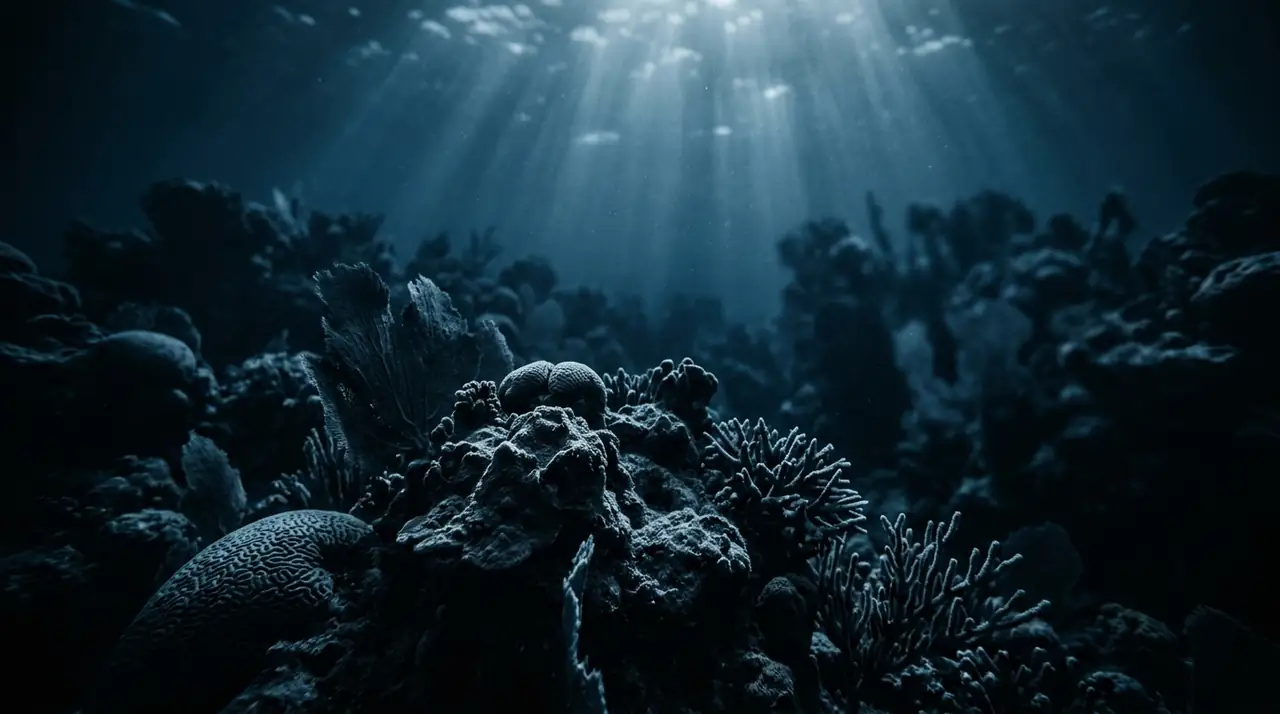
The Mornington Peninsula curves south from Melbourne into Bass Strait, a finger of land separating Port Phillip Bay's calm waters from the Southern Ocean's energy. For divers, this positioning creates diverse environments within a short drive: protected bay pier dives, kelp forest immersions, and ocean reef exposures, all hosting a temperate marine ecosystem rich in endemic species that tropical divers rarely encounter. The pier dives are the peninsula's most accessible offerings. Flinders Pier, Rye Pier, and the historic Portsea Pier each provide shore access into marine-life-dense environments where decades of structure have created artificial reef ecosystems. Flinders Pier is particularly productive: descending among the pylons reveals sponge gardens in vivid oranges and purples, nudibranchs of extraordinary diversity, and the weedy seadragons that are the peninsula's iconic species. Weedy seadragons are endemic to southern Australia and resemble their famous leafy relatives but with more modest appendages. They drift among kelp fronds and seagrass with perfect camouflage, their bodies mimicking the vegetation so effectively that finding one without guidance takes patience. Once spotted, they are remarkably tolerant of divers, continuing their slow-motion progress through the habitat while you observe at close range. The Giant Australian cuttlefish arrive in winter months for breeding, their males displaying extraordinary colour changes during courtship competitions. Watching two males flash through patterns of colour and texture to impress a female is one of the most complex animal behaviours observable on any dive anywhere in the world. Port Jackson sharks rest under ledges and in gutters during summer, their unusual harness-shaped markings and horn-like ridges giving them a prehistoric appearance. Blue-ringed octopuses, though small and shy, are present in the rubble zones. The sponge gardens beneath piers host a diversity of invertebrate life that rewards slow, careful observation. For Melbourne-based divers, the peninsula offers something profound: world-class unique marine encounters within ninety minutes of the CBD. No flights, no resorts, no exotic logistics. Just a car, a thick wetsuit, and one of Australia's most underrated diving destinations waiting at the end of the freeway.
Early access
Plan a dive here
Open the DiveOne planner to sketch a recreational plan before you go. It is a planning assistant, not a dive computer.
Marine life
Dive profile
DEPTH PROFILE
DEPTH PROGRESSION & WAYPOINTS: Mornington Peninsula
Location
Frequently asked questions
Where can I see weedy seadragons on the Mornington Peninsula?
Weedy seadragons are reliably found at several Mornington Peninsula sites including Flinders Pier, Rye Pier, and Portsea Pier. They inhabit kelp and seagrass beds between 3 and 15 metres depth. Winter months (June to September) are particularly productive as males carry eggs and remain in predictable locations. Local dive operators know specific locations of resident individuals and can guide you directly to them.
What exposure protection do I need for Mornington Peninsula diving?
Water temperatures at the Mornington Peninsula range from 11 degrees in winter to 21 degrees in summer. Most divers use a 7mm wetsuit with hood, gloves, and boots during summer, switching to drysuits during winter months. Some cold-tolerant divers use 5mm suits in summer, but for comfort during longer dives, heavier insulation is recommended year-round. The reward for the cold is uncrowded sites and unique temperate marine life.
Is Mornington Peninsula diving suitable for beginners?
Many Mornington Peninsula sites are excellent for beginners. Pier dives at Rye, Portsea, and Flinders offer shore access, shallow depths, minimal currents, and abundant marine life. The piers provide navigation reference and weather protection. Several Melbourne and peninsula-based dive shops offer guided shore dives and courses at these locations. Outside the bay, ocean sites at Portsea Back Beach require more experience due to currents and surge.
Reviews
Reviews
No reviews yet
Data Provenance
This profile is compiled from 3 operator submissions and 142 community logs. Key facts (depth, entry) are verified against official hydrographic charts.