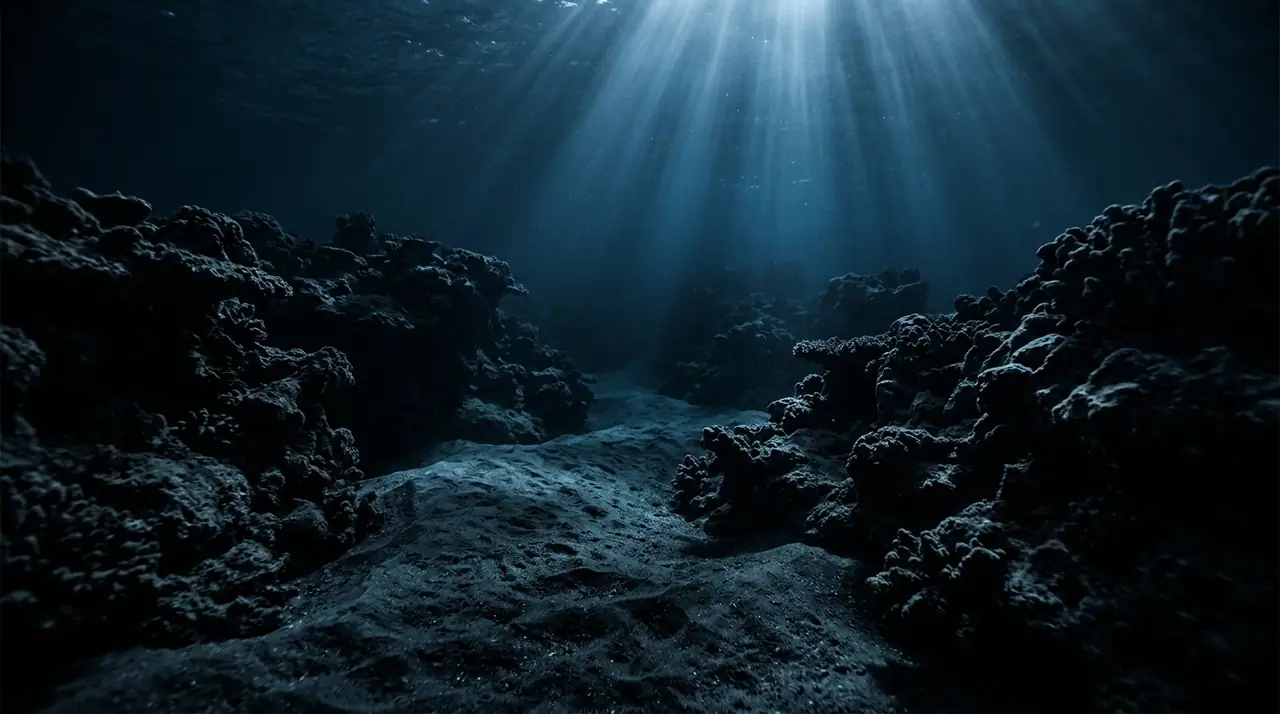
Molokini Crater
Overview
Molokini Crater is Hawaii's most iconic marine sanctuary and one of the Pacific's most visually stunning dive sites. This partially submerged volcanic caldera forms a perfect crescent shape roughly 4.5 kilometres off the south coast of Maui, rising from the deep Alalakeiki Channel between Maui and the island of Kahoolawe. The crescent shelters a reef ecosystem of remarkable clarity and biodiversity, while the exposed back wall presents one of Hawaii's most dramatic wall dives. The inside of the crater is what draws the majority of visitors, both divers and snorkelers. Protected from wind and waves by the crescent walls, the inner reef slopes gently from the shallows to about 20 metres, carpeted with 38 species of hard coral and populated by approximately 250 fish species. Schools of yellow tang stream across the reef like rivers of gold, moorish idols glide between coral heads, black triggerfish hover in formation, and raccoon butterflyfish flit from sponge to sponge. Many of these species are Hawaiian endemics found nowhere else on Earth. Visibility inside the crater routinely exceeds 45 metres, occasionally approaching 60 metres, creating a luminous underwater cathedral. For experienced divers, the back wall of Molokini delivers a completely different experience. This exposed outer face drops nearly vertically from the surface to over 100 metres into the channel below. Pelagic species visit the wall with some regularity: whitetip reef sharks patrol the ledges, manta rays cruise past in the blue, and schools of bluefin trevally hunt along the wall's edge. The drop-off creates a sense of flying over an abyss that contrasts sharply with the sheltered calm of the inner crater. Molokini was designated a Marine Life Conservation District in 1977, and anchoring is prohibited within the crater, helping to preserve the health of the reef. An estimated 100 species of algae support the food chain, and the crater's isolation from land-based runoff keeps nutrient levels low and water clarity high. Dive boats depart from Maalaea Harbor most mornings, with a 20-30 minute crossing. Water temperatures range from 24 to 27 degrees Celsius, comfortable in a 3mm wetsuit. Whether you are a beginning diver marvelling at the fish-filled shallows or an advanced diver free-falling along the back wall, Molokini delivers the quintessential Hawaiian underwater experience.
Early access
Plan a dive here
Open the DiveOne planner to sketch a recreational plan before you go. It is a planning assistant, not a dive computer.
Marine life
Dive profile
DEPTH PROFILE
DEPTH PROGRESSION & WAYPOINTS: Molokini Crater
Location
Frequently asked questions
What makes Molokini Crater's visibility so exceptional?
Molokini's crescent shape creates a natural harbour that blocks wind-driven waves and surge, keeping the water inside remarkably still. The crater sits in deep open water between Maui and Kahoolawe, far from river runoff and shoreline sediment. This combination of protection and clean oceanic water produces visibility that routinely exceeds 45 metres and occasionally approaches 60 metres, making it the clearest water in Hawaii.
Can beginners dive at Molokini Crater?
Yes, the inside of Molokini Crater is excellent for beginners. The sheltered crescent provides calm, current-free water with a gently sloping reef at 6-15 metres depth. Open Water certified divers can explore the inner reef comfortably, and many operators offer Discover Scuba programs here. The back wall, however, drops to over 100 metres and is exposed to currents, making it suitable only for Advanced certified divers.
How do I get to Molokini Crater for diving?
Molokini Crater is located about 4.5 kilometres off the south coast of Maui. Dive and snorkel boats depart daily from Maalaea Harbor, with a crossing time of approximately 20-30 minutes. Most operators run morning trips that include two tanks, one inside the crater and one on the back wall or at a nearby reef. Permits limit the number of boats at Molokini, so booking in advance is recommended, especially during peak season.
Reviews
Reviews
No reviews yet
Data Provenance
This profile is compiled from 3 operator submissions and 142 community logs. Key facts (depth, entry) are verified against official hydrographic charts.