Molnar Janos Cave
Overview
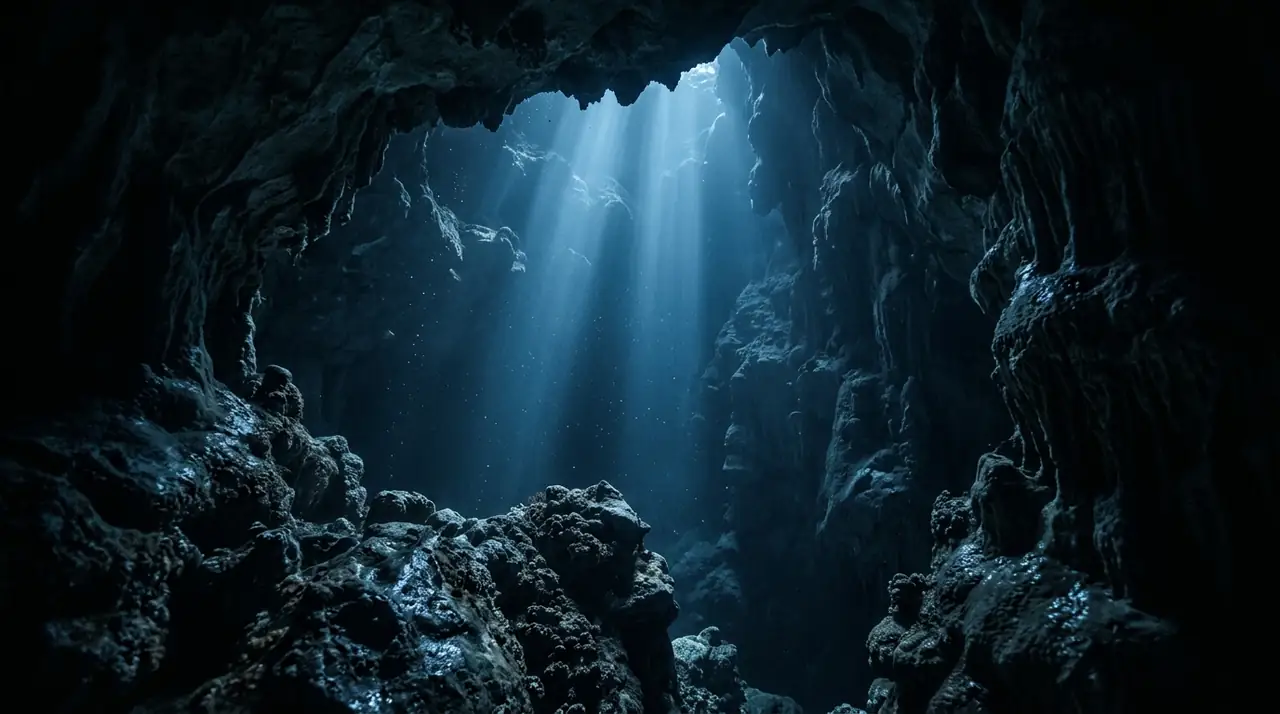
Molnar Janos Cave is arguably the most extraordinary cave dive in continental Europe, a thermal spring system hidden beneath the streets of Budapest where naturally heated water fills vast underground chambers with visibility that rivals the clearest cenotes. The cave sits beneath a hill on the Buda side of the city, its entrance tucked beside a former brewery, and the fact that world-class cave diving exists beneath a European capital city makes every descent feel faintly surreal. The entry pool sits inside a stone building, warm water rising from below at a constant twenty-four degrees, steam curling from the surface on cold winter mornings. I descended through a short entrance passage that quickly opened into the first major chamber, and the visibility hit me immediately -- over thirty meters of crystal clarity, the thermal water so pure it felt like flying through liquid glass. The walls glowed with mineral deposits, bands of ochre, cream, and rust red layered by millennia of thermal water flow. The cave system unfolds as a series of large chambers connected by passages that vary from comfortably wide to restriction-tight. The first chamber is enormous, its ceiling arching ten meters overhead with stalactite-like mineral formations hanging from it. My lights swept across the space, the beams cutting clean lines through water so transparent that depth perception became unreliable. The floor is covered in fine thermal sediment that rises in slow-motion clouds when disturbed, a reminder to maintain precise buoyancy and frog-kick technique. Deeper into the system, the chambers take on different characters. One is dominated by massive calcium carbonate shelves that jut from the walls like frozen waterfalls. Another narrows to a series of low passages where the thermal water feels noticeably warmer, suggesting proximity to the spring source. The mineral deposits create color palettes that no tropical reef can match -- deep reds and oranges from iron oxides, whites and creams from pure calcite, and occasionally a blue-green tint from copper minerals.
Early access
Plan a dive here
Open the DiveOne planner to sketch a recreational plan before you go. It is a planning assistant, not a dive computer.
Marine life
Dive profile
DEPTH PROFILE
DEPTH PROGRESSION & WAYPOINTS: Molnar Janos Cave
Location
Frequently asked questions
What certifications do I need to dive Molnar Janos Cave?
Molnar Janos Cave is exclusively open to certified cave divers. At minimum, you need a Full Cave Diver certification from a recognized agency such as NACD, NSS-CDS, TDI, or IANTD. The cave system includes significant overhead environments with complex navigation requirements. All divers must also complete a mandatory orientation dive with a locally certified guide familiar with the system. No exceptions are made regardless of general diving experience.
Why is the water warm in Molnar Janos Cave?
The cave is fed by thermal hot springs that rise from deep within the earth's crust beneath Budapest. Budapest sits on a major geothermal zone, the same system that feeds its famous bathhouses. The water temperature in the cave remains a consistent 22 to 26 degrees Celsius year-round. This thermal water is rich in dissolved minerals, which contributes to the exceptional visibility and creates unique mineral formations on the cave walls and ceiling.
How large is the explored cave system?
The explored passages of Molnar Janos Cave extend for over 600 meters with multiple large chambers connected by passages of varying size. The main chambers are impressively spacious, some exceeding 10 meters in height and 20 meters in width. Maximum depth reaches approximately 30 meters in the deepest sections. Ongoing exploration continues to reveal new passages and chambers, and the system is believed to connect with other thermal cave networks beneath Budapest.
Reviews
Reviews
No reviews yet
Data Provenance
This profile is compiled from 3 operator submissions and 142 community logs. Key facts (depth, entry) are verified against official hydrographic charts.