Molasses Reef
Overview
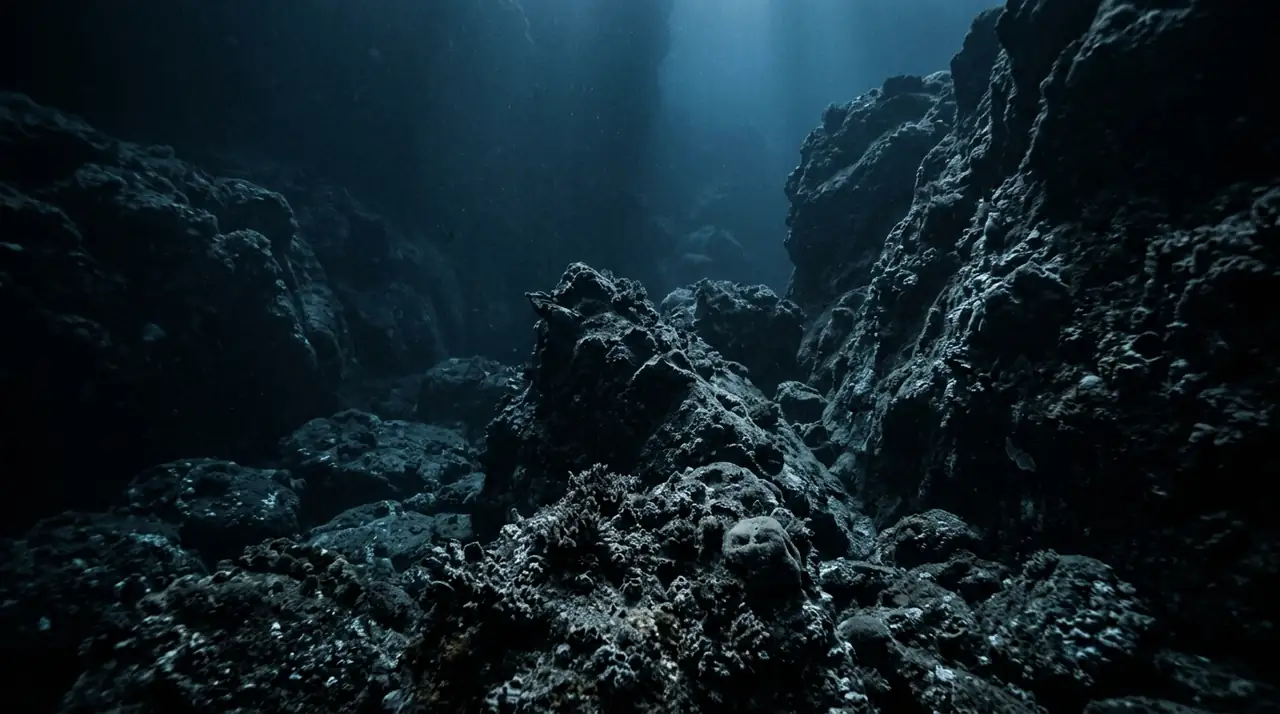
Molasses Reef is the crown jewel of the Florida Keys National Marine Sanctuary, a sprawling shallow reef system that has been drawing divers since the earliest days of sport diving in America. Located roughly eight kilometres offshore from Key Largo, this sanctuary preservation area sits atop the only living coral barrier reef in the continental United States. The reef's spur-and-groove architecture is textbook perfect, parallel ridges of living coral separated by white sand channels, and its shallow depth makes the entire site accessible to divers of every experience level. I descended the mooring line into water so clear I could see the reef detail from the surface. At five metres the spur-and-groove formation spread out beneath me in a pattern that seemed almost designed, coral buttresses marching seaward in orderly parallel ranks with sandy highways between them. The coral coverage was immediately impressive. Massive brain corals the size of small cars sat atop the spurs, their convoluted surfaces alive with Christmas tree worms in spirals of red, blue, and gold. Great star corals formed broad plates, and purple sea fans oriented perpendicular to the current, filtering plankton from the warm Gulf Stream water. The sandy grooves between the spurs are the reef's thoroughfares, and the traffic was constant. A green turtle glided past at eye level, utterly unconcerned by my presence, its shell gleaming with algal growth. A nurse shark rested on the sand in the shade of a coral overhang, its tail protruding into the channel. Schools of yellowtail snapper hovered above the spurs in shimmering clouds, while blue tang moved in loose formations along the reef crest. What makes Molasses Reef special beyond its individual encounters is the overall impression of reef health. In a region where coral decline has been a persistent concern, Molasses demonstrates what marine protection can preserve. The coral coverage is dense and varied, the fish populations are large and confident, and the constant presence of apex species like sharks and large groupers indicates a functioning ecosystem. The current at Molasses is usually gentle and predictable, allowing relaxed drift dives along the spur-and-groove channels.
Early access
Plan a dive here
Open the DiveOne planner to sketch a recreational plan before you go. It is a planning assistant, not a dive computer.
Marine life
Dive profile
DEPTH PROFILE
DEPTH PROGRESSION & WAYPOINTS: Molasses Reef
Location
Near Key Largo, in the Florida Keys region of United States.
Frequently asked questions
How deep is Molasses Reef and is it suitable for beginners?
Molasses Reef is one of the most beginner-friendly dive sites in the Florida Keys. The reef top sits at just 3 to 5 metres and the maximum depth in the sand channels between the spurs is about 12 metres. Currents are usually mild and predictable, visibility is reliably good at 15 to 30 metres, and water temperatures rarely drop below 24 degrees Celsius. The site is within the Sanctuary Preservation Area, so all marine life is fully protected and abundant. Recently certified open water divers can comfortably enjoy the entire reef, making it an ideal first ocean dive after certification.
What is the spur-and-groove formation at Molasses Reef?
Spur-and-groove is a natural reef architecture where parallel ridges of coral, called spurs, alternate with sandy channels, called grooves. At Molasses Reef, these formations are exceptionally well-developed, with coral buttresses rising 2 to 4 metres from the sand floor. The spurs are covered in brain corals, star corals, sea fans, and sponges, while the sandy grooves serve as highways for rays, sharks, and turtles. Divers can swim along the grooves for easy navigation or explore the tops of the spurs for the densest marine life. The formation runs roughly perpendicular to shore.
Are there mooring buoys at Molasses Reef?
Yes, Molasses Reef has a well-established system of permanent mooring buoys maintained by the Florida Keys National Marine Sanctuary. Anchoring on the reef is strictly prohibited to prevent coral damage. Dive operators pick up a mooring buoy and divers descend the mooring line directly to the reef. The buoys are numbered and located at different areas of the reef, allowing operators to choose sites based on conditions and avoid overcrowding. During peak season from April to August, buoys can fill up quickly, so early morning departures from Key Largo tend to get the best positions.
Reviews
Reviews
No reviews yet
Data Provenance
This profile is compiled from 3 operator submissions and 142 community logs. Key facts (depth, entry) are verified against official hydrographic charts.