Mljet Island
Overview
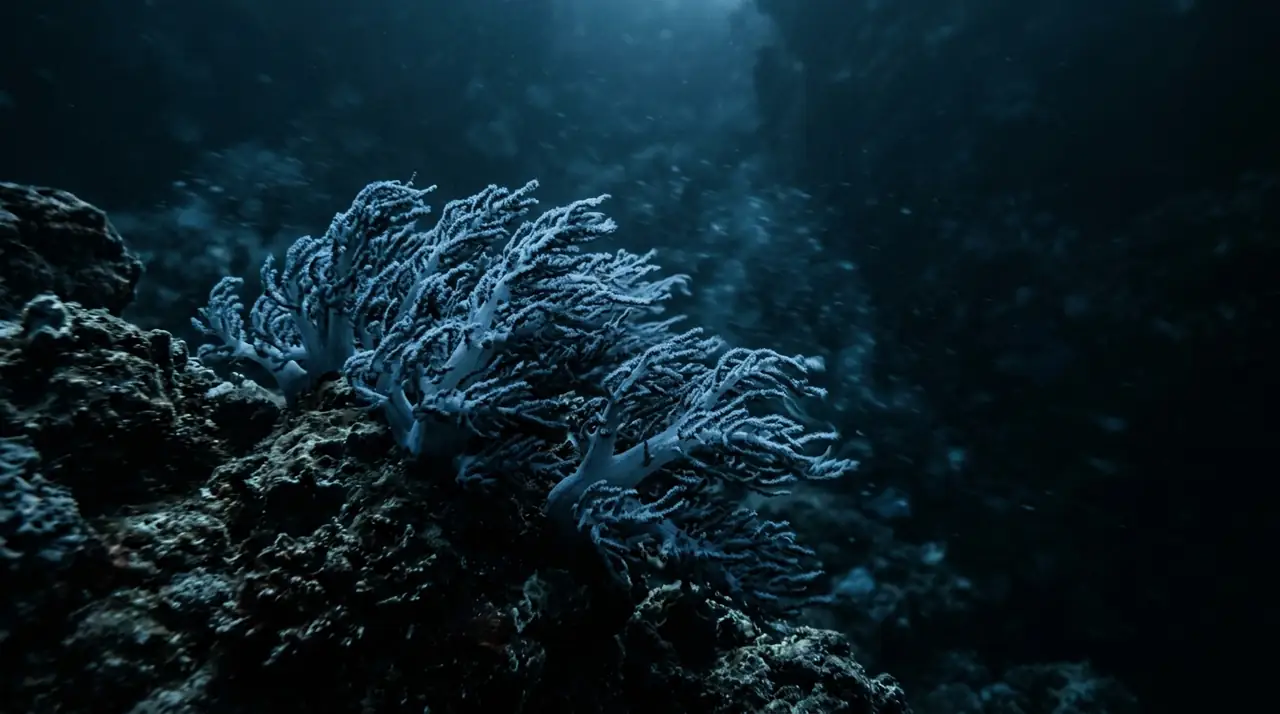
Mljet is Homer's Ogygia, the island where Calypso detained Odysseus for seven years. Whether or not you believe the legend, the connection feels right. This is Croatia's most forested island, 72 percent covered in dense Mediterranean woodland, with a national park protecting saltwater lakes and ancient woodland in its western third. Beneath the surface on its southern coast, dramatic walls plunge into the deepest channel of the Adriatic, creating diving conditions of unusual quality for this sea. The ferry from Dubrovnik delivers you to an island of green intensity, pine forests reaching to the waterline and small stone harbours where fishing boats bob beside dive ribs. The south coast is exposed to open Adriatic, and it is here that the walls begin. The seabed drops rapidly from the rocky shore, and within metres the vertical geology of the island continues downward. I descended at Veliko Zarace on a still morning, and the wall revealed itself in layers. From 5 to 15 metres, photosynthetic life dominated: Posidonia seagrass beds gave way to algae-covered rocks and small fish aggregations. From 15 to 30 metres, the invertebrate zone took over. Yellow gorgonian fans emerged from the wall in increasing density, their branches filtering currents that brought plankton from the deep channel. At 35 metres, the first red coral appeared, deep crimson branches growing from overhangs away from direct light. A large dusky grouper emerged from a crack in the wall at 28 metres, regarding me with typical Mediterranean suspicion before retreating. Spiny lobsters bristled from crevices at every depth. An octopus flowed across the wall face, its chromatophores shifting to match each surface it crossed. The visibility extended beyond 35 metres, allowing me to see the wall curving away into blue distance. Mljet combines the natural beauty of Croatia's Dalmatian coast with genuinely rewarding wall diving in clear, calm conditions. The island's remoteness from mass tourism means dive sites receive minimal pressure. This is quiet, contemplative Mediterranean diving at its most elegant, best enjoyed slowly with long dives and patient observation of life on the wall.
Early access
Plan a dive here
Open the DiveOne planner to sketch a recreational plan before you go. It is a planning assistant, not a dive computer.
Marine life
Dive profile
DEPTH PROFILE
DEPTH PROGRESSION & WAYPOINTS: Mljet Island
Location
Near Dubrovnik, in the Dubrovnik-Neretva County region of Croatia.
Frequently asked questions
How do I reach Mljet Island for diving?
Mljet is reached by catamaran ferry from Dubrovnik, taking approximately 90 minutes, or from Korcula Island in about 50 minutes. During summer, multiple daily connections operate. The island has several small settlements with accommodation, though options are limited and advance booking is essential in peak season. The dive centre operates from Polace or Sobra. Some divers base themselves in Dubrovnik and take day trips to Mljet, though this limits dive timing flexibility. Liveaboard trips along the Croatian coast frequently include Mljet stops.
What makes Mljet's underwater walls different from other Croatian dive sites?
Mljet's southern coast faces the deepest section of the Adriatic Sea, where the channel between the island and the Italian peninsula exceeds 1,000 metres depth. This proximity to deep oceanic water produces several advantages for diving. The walls drop steeply and continuously from shallow reef to beyond recreational limits, the deep water circulation brings exceptional visibility often exceeding 30 metres, and the nutrient flow supports denser invertebrate growth including red coral at diveable depths. Most other Croatian sites are in the shallower northern or central Adriatic where conditions are less oceanic.
Is diving permitted within the Mljet National Park marine area?
The Mljet National Park covers the western third of the island including its two saltwater lakes, but diving is regulated rather than prohibited. The national park marine zone has specific rules: diving must be arranged through authorised operators, anchoring is restricted to designated points, and some areas are closed seasonally. The best dive sites along the southern outer coast fall partially within and partially outside park boundaries. All operators on the island are familiar with current regulations and dive responsibly within the rules. Night diving requires special permission.
Reviews
Reviews
No reviews yet
Data Provenance
This profile is compiled from 3 operator submissions and 142 community logs. Key facts (depth, entry) are verified against official hydrographic charts.