Milos Island Kleftiko
Overview
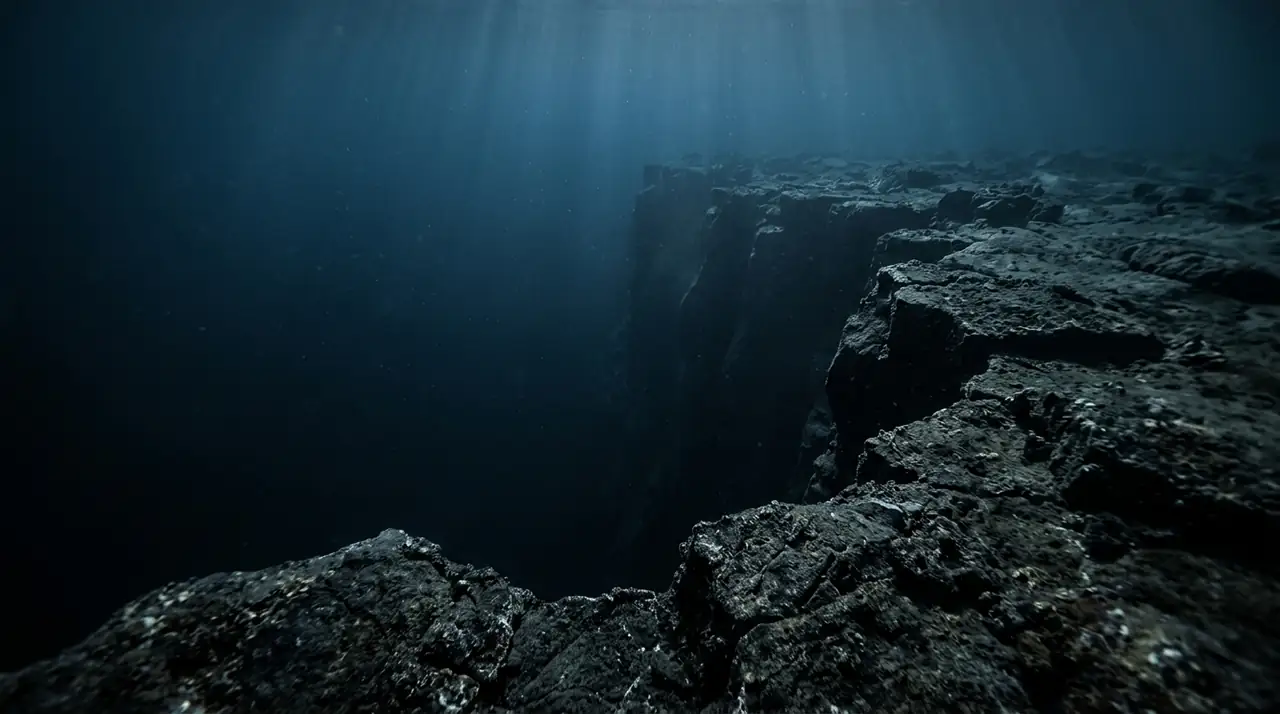
Kleftiko occupies the wild southwestern corner of Milos, where volcanic cliffs of white pumice and tuff rise from an Aegean blue so vivid it appears chemically impossible. These towering formations were the hideouts of Aegean pirates for centuries, and their name translates to place of thieves. Today the thieves are gone, but the sea caves, tunnels, and arches they once used remain, extending both above and below the waterline into a diving environment that combines geological drama with Mediterranean marine life. The boat ride from Adamas takes nearly an hour, rounding Milos's southern coast past increasingly wild and uninhabited terrain. Kleftiko appears suddenly: a cluster of immense white rock pillars and cliffs eroded into fantastical shapes, with sea caves opening at water level like dark mouths in the pale stone. The water is crystalline, visibility regularly exceeding 30 metres, and the seabed is visible from the boat even at 15 metres depth. I entered the water near the main cave complex and descended along a wall of volcanic tuff stained with bands of green, orange, and rust red from mineral deposits. The geology alone would justify the dive: formations unlike anything I have seen in decades of Mediterranean diving. Tunnels carved by wave action penetrate the cliff face, some narrow enough to pass through single file, others opening into chambers where light filters through cracks in the ceiling. The largest swim-through connects two bays through a passage perhaps twenty metres long, and the light effects inside are extraordinary. Sunlight entering from both ends creates converging beams that illuminate the passage like a stage set. Damselfish swirl in the light columns, and cardinalfish hover in the shadows near the ceiling. Marine life concentrates around the base of the formations where boulders and rubble create habitat. Mediterranean moray eels peer from crevices, octopuses occupy rocky dens, and scorpionfish lie motionless on the volcanic substrate, their camouflage almost perfect against the mottled stone. Groupers occupy the deeper sections of walls and overhangs at 20 to 30 metres.
Early access
Plan a dive here
Open the DiveOne planner to sketch a recreational plan before you go. It is a planning assistant, not a dive computer.
Marine life
Dive profile
DEPTH PROFILE
DEPTH PROGRESSION & WAYPOINTS: Milos Island Kleftiko
Location
Frequently asked questions
How do you access Kleftiko for diving and what are the conditions?
Kleftiko is accessible only by boat, located on the remote southwestern coast of Milos with no road access. Dive boats depart from Adamas harbour, with the journey taking 45 to 60 minutes depending on sea conditions. The site is sheltered from the prevailing meltemi winds during summer, making it more reliably diveable than many exposed Cycladic sites. Diving is typically conducted from anchored boats with entries near the cave mouths. The seabed ranges from 5 to 30 metres, with most cave and arch features between 5 and 20 metres.
What is the geological significance of Kleftiko?
Kleftiko's formations are the result of volcanic activity that shaped Milos over millions of years. The island sits on the Hellenic Volcanic Arc, and the white cliffs at Kleftiko are composed of volcanic tuff and pumice sculpted by wave erosion into towers, arches, and sea caves. Underwater, the same geological processes have created tunnels, overhangs, and swim-throughs with mineral staining in greens, oranges, and reds from volcanic deposits. This combination of volcanic geology and marine erosion has produced formations found nowhere else in the Cyclades.
Why is the site called Kleftiko and what is its history?
Kleftiko means place of thieves in Greek, named for the pirates who used its hidden sea caves as a base during the medieval and Ottoman periods. The caves provided concealment from naval patrols, with narrow entrances opening into spacious chambers where ships could be hidden. Some caves still show evidence of human use. Today, the site is one of the most visited natural attractions on Milos, though the underwater cave systems remain far less explored than the surface formations, offering divers a genuine sense of discovery.
Reviews
Reviews
No reviews yet
Data Provenance
This profile is compiled from 3 operator submissions and 142 community logs. Key facts (depth, entry) are verified against official hydrographic charts.