Milne Bay
Overview
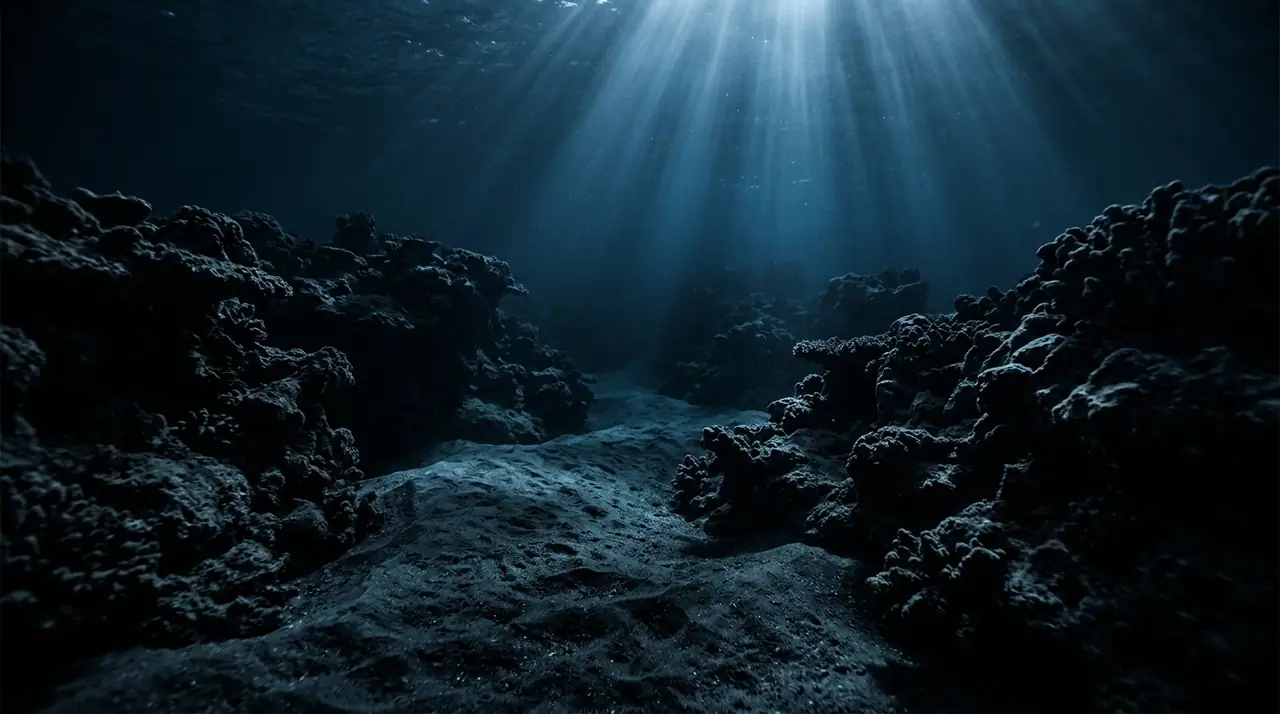
Milne Bay is where Papua New Guinea's staggering marine biodiversity reaches its most concentrated expression. Situated at the southeastern tip of the PNG mainland, this enormous sheltered bay encompasses thousands of square kilometres of coral reef, volcanic sand slopes, mangrove-fringed islands, and deep channels. Marine biologists have recorded over 1,100 fish species and 450 coral species in the region, placing it firmly within the heart of the Coral Triangle, the global epicentre of marine biodiversity. The muck diving here is world class. Black volcanic sand slopes descend gently from the shoreline, and on these seemingly barren expanses lives a menagerie of creatures that would make any macro photographer weep with joy. Rhinopias scorpionfish, among the most sought-after sightings in diving, appear here with a regularity that borders on routine. Hairy frogfish sit motionless on sponges, flamboyant cuttlefish strut across the sand in their lurid purple and yellow livery, and blue-ring octopuses flash their warning patterns from coconut shell hideouts. Pygmy seahorses cling to gorgonian fans, ornate ghost pipefish drift among crinoids, and the variety of nudibranchs runs into the hundreds of species. Beyond the muck, Milne Bay delivers healthy hard coral reefs that rival anything in the Coral Triangle. Walls drop into blue water festooned with gorgonian fans and barrel sponges, while shallow reef tops support dense fields of staghorn and table corals. WWII history adds another dimension: the Battle of Milne Bay in August 1942 saw Australian forces defeat a Japanese amphibious landing, and aircraft wrecks from both sides still rest on the bay floor, now encrusted with coral and surrounded by schooling fish. Access is typically via Alotau, the provincial capital, with flights from Port Moresby. Liveaboards and a handful of dive resorts serve the area, keeping diver numbers refreshingly low. The diving season runs from October to May when seas are calmest and visibility peaks. Milne Bay does not offer the big pelagic spectacle of some Pacific destinations, but for critter hunters, coral enthusiasts, and history divers, it is one of the richest diving regions on Earth.
Early access
Plan a dive here
Open the DiveOne planner to sketch a recreational plan before you go. It is a planning assistant, not a dive computer.
Marine life
Dive profile
DEPTH PROFILE
DEPTH PROGRESSION & WAYPOINTS: Milne Bay
Location
Near Alotau, in the Milne Bay Province region of Papua New Guinea.
Frequently asked questions
What makes Milne Bay different from other PNG dive destinations?
Milne Bay is distinguished by its world-class muck diving combined with healthy coral reefs and WWII wrecks, all in one region. While Kimbe Bay is known for reef diving and seamounts, Milne Bay's black volcanic sand slopes harbour an extraordinary density of rare critters including rhinopias, hairy frogfish, and flamboyant cuttlefish. The bay also has historical significance as the site of Australia's first land victory against Japan in 1942.
How do I get to Milne Bay for diving?
Most divers reach Milne Bay via Alotau, the provincial capital, which has regular flights from Port Moresby on Air Niugini. From Alotau, liveaboard dive vessels and shore-based resorts provide access to the dive sites. Several liveaboards operate seasonal itineraries through the bay, while a handful of dive resorts offer shore-based diving with boat transfers to the sites. Advance booking is essential as capacity is limited.
What skill level is needed for muck diving in Milne Bay?
Intermediate certification and strong buoyancy control are recommended. Muck diving involves hovering close to sandy or silty bottoms without disturbing the substrate, which requires precise buoyancy skills. The critters are small and well-camouflaged, so patience and a good eye are essential. An experienced guide is invaluable for spotting the rarest species. Some reef and wreck sites in the bay are suitable for beginners.
Reviews
Reviews
No reviews yet
Data Provenance
This profile is compiled from 3 operator submissions and 142 community logs. Key facts (depth, entry) are verified against official hydrographic charts.