Middle Reef Safaga
Overview
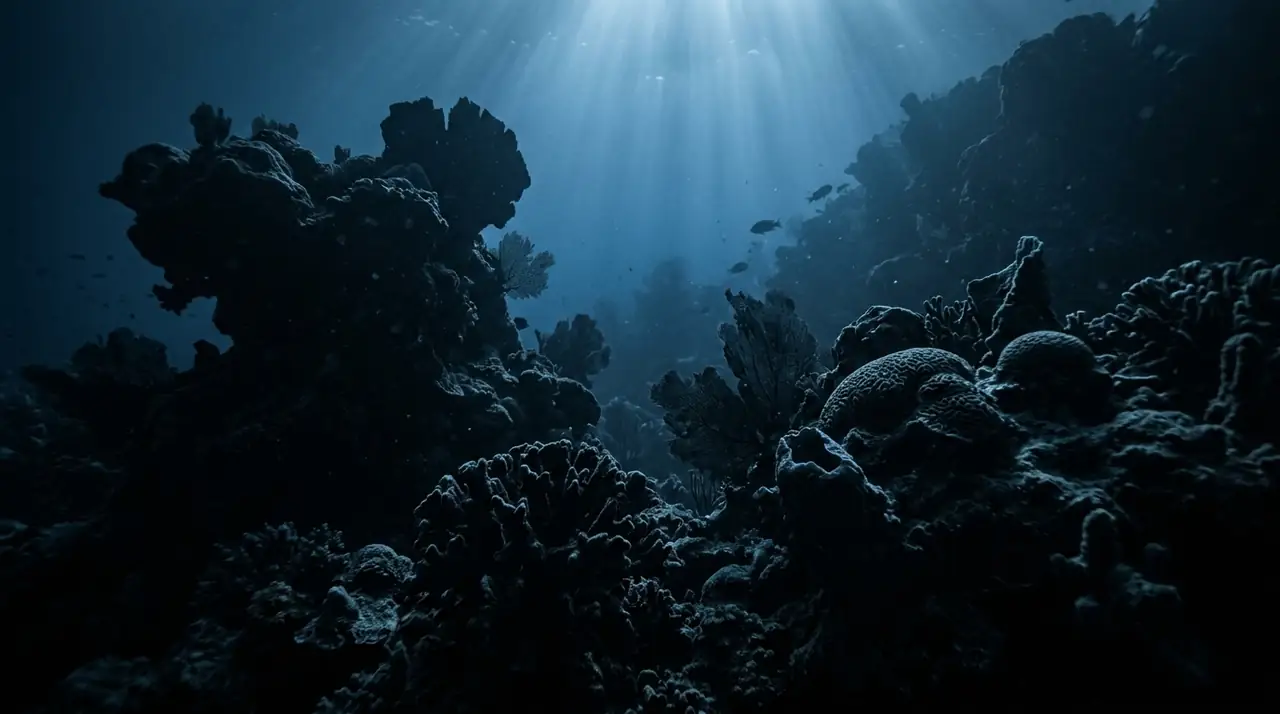
Middle Reef sits at the heart of Safaga Bay like a trio of underwater skyscrapers rising from a sandy desert floor. Three distinct coral pinnacles, separated by channels of white sand at 20 to 25 metres depth, create a concentrated reef ecosystem in miniature. Everything a diver hopes to find on a Red Sea reef is compressed into these three blocks, making Middle Reef one of Safaga's most efficient and rewarding dive sites. The largest pinnacle rises from 25 metres to within 3 metres of the surface, its crown a garden of fire coral bathed in sunlight. Descending along its flanks, the structure is honeycombed with overhangs and crevices hosting a staggering density of marine life. Glassfish congregate in such numbers that they form shimmering silver curtains, parting as divers enter the overhangs and closing behind them. Lionfish position themselves at the edges, picking off individuals with precision strikes. Octopuses are Middle Reef's most charismatic residents. The pinnacle structure provides an ideal habitat of rocky crevices and sandy hunting grounds, and on a typical dive, three or four individuals can be spotted in various states of activity. Some rest in dens with only their eyes visible, while others flow across the reef surface in their liquid way, changing colour and texture as they cross from coral to sand. The channels between pinnacles are worth the swim across open sand. Crocodilefish flatten themselves against the bottom in excellent camouflage, eagle rays occasionally glide across the sand, and the second and third pinnacles each have their own character. The middle block has the best soft coral growth, with orange and red Dendronephthya colonies decorating the overhangs. The smallest pinnacle is a favourite for giant moray eels, with several large specimens occupying permanent dens. Safaga's distance from Hurghada's mass tourism means Middle Reef is often dived with only one or two boats present. The underwater atmosphere is noticeably calmer, fish behaviour is less disturbed, and the diving pace is more relaxed. For those willing to drive an hour past Hurghada, Safaga rewards with Red Sea diving as it was before the crowds arrived.
Early access
Plan a dive here
Open the DiveOne planner to sketch a recreational plan before you go. It is a planning assistant, not a dive computer.
Marine life
Dive profile
DEPTH PROFILE
DEPTH PROGRESSION & WAYPOINTS: Middle Reef Safaga
Location
Frequently asked questions
How does diving in Safaga compare to Hurghada?
Safaga sits approximately 60 kilometres south of Hurghada and offers a distinctly different diving character. The town has far fewer hotels and dive centres, resulting in dramatically less boat traffic on dive sites. Visibility in Safaga Bay tends to be better than in Hurghada's waters due to less coastal development and boat activity. The reef systems are comparable in quality but receive a fraction of the diver visits, which translates to healthier coral, bolder marine life, and a more relaxed atmosphere. Safaga is also known for its mineral-rich black sand beaches with therapeutic properties.
What is the dive plan for Middle Reef?
Middle Reef consists of three coral pinnacles arranged roughly in a line within Safaga Bay. The typical dive plan involves descending to the largest pinnacle, circumnavigating it while exploring the overhangs and crevices, then swimming across the sand channel to the second and third blocks. The swim between pinnacles crosses 15 to 20 metres of open sand at around 18 metres depth, where crocodilefish and rays are often spotted. Total dive time is usually 45 to 55 minutes with a comfortable no-decompression profile. Air management determines how many pinnacles can be covered in a single dive.
When is the best time to dive Middle Reef?
Middle Reef is diveable most of the year, with the best conditions from March to November. Summer months offer the warmest water and longest daylight for afternoon diving when light penetrates the overhangs most dramatically. Winter months from December to February bring cooler water temperatures of 21 to 23 degrees and occasionally windier conditions that can make surface conditions less comfortable. The site is sheltered within the bay so wave action is rarely an issue, but wind can create choppy surface conditions that affect boat access. Visibility tends to peak in the calmer spring months.
Reviews
Reviews
No reviews yet
Data Provenance
This profile is compiled from 3 operator submissions and 142 community logs. Key facts (depth, entry) are verified against official hydrographic charts.