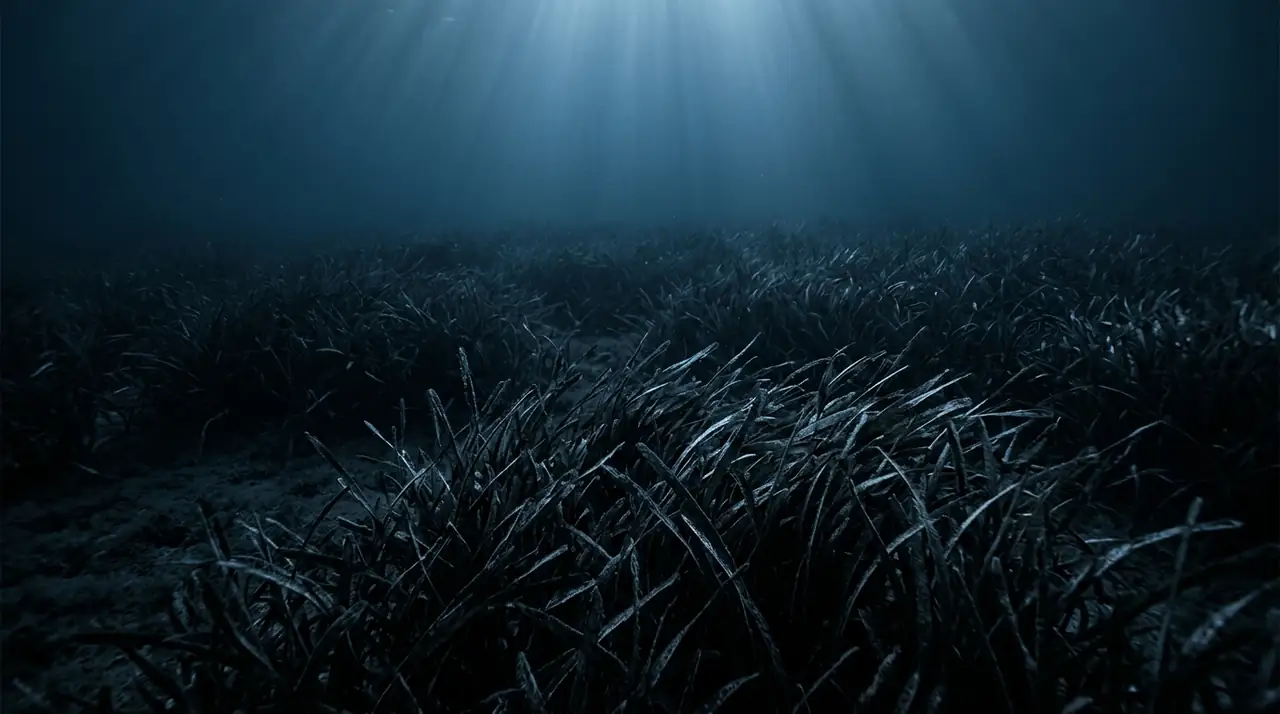
Maumere Bay – Air Manis
Overview
Maumere Bay on Flores' northern coast was once one of Indonesia's most celebrated dive destinations before a devastating earthquake in 1992 reshaped its reefs. Three decades later, the recovery story is one of the most remarkable in Southeast Asian diving, and sites like Air Manis showcase nature's capacity to rebuild. What you find today is a reef system that has matured from rubble into a thriving underwater garden, far from the crowds that flock to Komodo and Raja Ampat. I descended the mooring line into warm water and immediately noticed the density of hard coral. Staghorn colonies carpet the upper slope in overlapping formations, their branches hosting clouds of damselfish and chromis. Table corals extend broad platforms at 10 to 15 metres, providing shelter for shoals of sweetlips and fusiliers that scatter and regroup as you drift past. The reef slope steepens below 15 metres, transitioning to a mix of sponges, soft corals, and scattered bommies draped in sea fans. It is between 18 and 25 metres where Air Manis reveals its specialty. Gorgonian fans sprout from the slope face, and on their branches pygmy seahorses cling with near-invisible perfection. Our guide pointed out three Denise's pygmy seahorses on a single fan, each no larger than a grain of rice. Nearby, an ornate ghost pipefish hovered vertically among a crinoid's feathery arms, its body a masterpiece of natural camouflage. The rubble patches between coral heads are equally productive. Flamboyant cuttlefish strut across the sand with their pulsating colour displays. Blue-ringed octopuses shelter in discarded shells. Mantis shrimp peer from burrows, their stalked eyes tracking every movement. For nudibranch enthusiasts, Maumere Bay delivers species counts that rival Lembeh Strait on a good day, with Chromodoris, Nembrotha, and Phyllodesmium species appearing on almost every sponge and hydroid. The absence of heavy dive traffic means the marine life here is relaxed and approachable. Fish do not bolt, octopuses do not retreat, and you can spend an entire 70-minute dive on a 30-metre stretch of reef without running out of subjects. Maumere Bay is not a headline destination, and that is precisely its strength.
Early access
Plan a dive here
Open the DiveOne planner to sketch a recreational plan before you go. It is a planning assistant, not a dive computer.
Marine life
Dive profile
DEPTH PROFILE
DEPTH PROGRESSION & WAYPOINTS: Maumere Bay – Air Manis
Location
Frequently asked questions
How do I get to Maumere Bay for diving?
Maumere is served by Frans Seda Airport with daily flights from Bali via Kupang or Ende. From the town, dive operators run boats to the bay's outer reef sites in 20 to 40 minutes. A handful of small resorts and dive centres operate in the area, most offering multi-day packages that cover the best sites around the bay and nearby islands. The town itself is a modest Flores port with basic amenities. Many divers combine Maumere with overland travel across Flores to Komodo.
Has the reef in Maumere Bay recovered from the 1992 earthquake?
The 1992 earthquake and tsunami devastated large sections of Maumere Bay's reefs. In the decades since, significant natural recovery has occurred, particularly on outer slopes with good water circulation. Sites like Air Manis now display impressive hard coral coverage, with young but healthy colonies of Acropora, Porites, and Montipora covering previously barren substrate. The recovery has been aided by reduced fishing pressure in some areas, and the regenerating reefs now support a diverse macro community that has become the area's main attraction for divers.
What kind of diving is Maumere Bay best known for?
Maumere Bay is primarily a macro and critter destination. The gently sloping reefs and rubble patches host an extraordinary range of small marine life including pygmy seahorses on gorgonians, ghost pipefish among crinoids, and multiple frogfish species. Nudibranchs are particularly diverse here, with patient photographers regularly finding species not commonly seen even at well-known Indonesian macro sites. While the occasional reef shark or turtle passes by, the real draw is the small stuff that rewards slow, careful exploration.
Reviews
Reviews
No reviews yet
Data Provenance
This profile is compiled from 3 operator submissions and 142 community logs. Key facts (depth, entry) are verified against official hydrographic charts.