María la Gorda
Overview
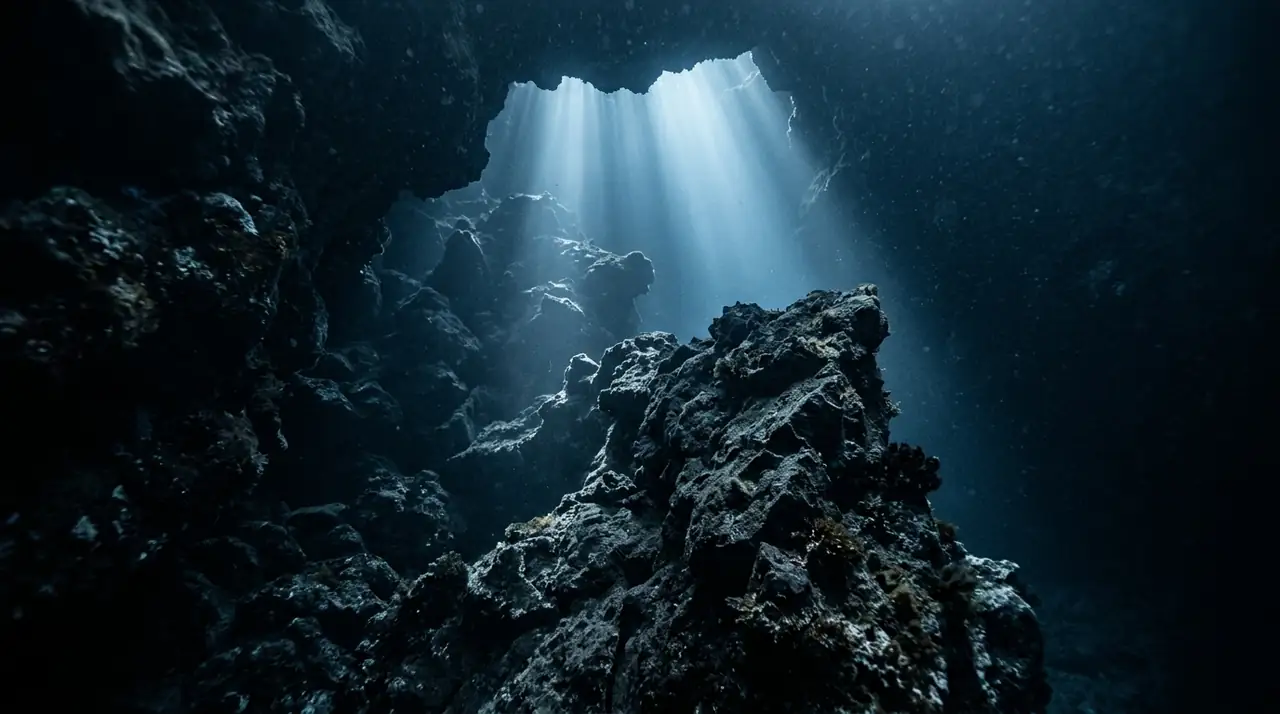
María la Gorda sits at the tip of the Guanahacabibes Peninsula, the westernmost point of Cuba, where a finger of forested limestone reaches into the Caribbean and the reef wall drops from shallow coral gardens into deep blue. The name translates roughly as Fat Maria, a reference to a Venezuelan woman from colonial legend, and the reality is as far from mainstream Caribbean tourism as one can travel without leaving the hemisphere. The drive from Havana takes the better part of a day, winding through the tobacco country of Viñales and then entering the Guanahacabibes Biosphere Reserve, a UNESCO-designated area supporting no permanent population beyond a research station and the dive resort. By the time you reach the single hotel, the landscape belongs entirely to land crabs, iguanas, and forest birds. Underwater, the absence of human impact is immediately apparent. The walls descend from a reef crest at five metres to beyond recreational limits, alive in a way that much of the Caribbean has forgotten. Barrel sponges the size of armchairs occupy the wall face, tube sponges in vivid purple and yellow cluster on ledges, and massive brain corals anchor the upper sections. The signature feature is the black coral. Beginning at around fifteen metres and reaching peak density between twenty-five and thirty-five, forests of antipatharian black coral line the wall in quantities that astonish. These slow-growing colonial animals, harvested to near-extinction elsewhere, thrive here in colonies exceeding a metre in height, their branches creating habitat for basket stars, crinoids, and small crustaceans. Hawksbill turtles are common along the wall, feeding on sponges with the methodical determination of animals never hunted. Tarpon shelter in small caves, their silver bodies catching the light. Nassau groupers, critically endangered across most of their range, hold territory with the boldness of fish in a fully protected environment. María la Gorda offers over fifty mapped dive sites along several kilometres of wall, with remarkably consistent conditions: visibility between twenty-five and forty metres, mild currents, and water warm enough for a three-millimetre wetsuit year-round. The diving is unhurried, the reef unblemished, the isolation complete.
Early access
Plan a dive here
Open the DiveOne planner to sketch a recreational plan before you go. It is a planning assistant, not a dive computer.
Marine life
Dive profile
DEPTH PROFILE
DEPTH PROGRESSION & WAYPOINTS: María la Gorda
Location
Frequently asked questions
How do I get to María la Gorda?
María la Gorda is located at the tip of the Guanahacabibes Peninsula in Cuba's far western Pinar del Río province. From Havana, the drive takes approximately five to six hours via the national highway and then increasingly remote rural roads through the peninsula's biosphere reserve. There is a single dive resort at María la Gorda offering accommodation, meals, and full dive services. Some visitors fly to the small airport at Sandino or arrange transfers from Viñales. The remoteness is deliberate: the entire peninsula is a protected area.
How does María la Gorda differ from Jardines de la Reina?
Jardines de la Reina is an offshore archipelago requiring liveaboard access, known primarily for its shark encounters and large pelagic life. María la Gorda offers shore-based diving from a single resort, focusing on wall diving with exceptional coral and sponge ecosystems. The marine life profiles differ significantly: Jardines is famous for Caribbean reef sharks and crocodiles, while María la Gorda excels in invertebrate diversity, black coral forests, and pristine hard coral walls. Both benefit from Cuba's limited coastal development, but María la Gorda is more accessible and budget-friendly.
Are the black coral forests really at recreational depths?
Yes, one of María la Gorda's most remarkable features is that black coral colonies begin at around 15 to 20 metres and are abundant at 25 to 35 metres. In most Caribbean locations, black coral has been harvested to near-extinction at recreational depths or is found only below 40 metres. Cuba's prohibition on harvesting and the site's extreme remoteness have preserved colonies at depths easily accessible to intermediate divers. The black coral trees reach heights of over a metre and form genuine forests along the wall face, creating habitat for a rich community of invertebrates and small fish.
Reviews
Reviews
No reviews yet
Data Provenance
This profile is compiled from 3 operator submissions and 142 community logs. Key facts (depth, entry) are verified against official hydrographic charts.