Mangrove Point
Overview
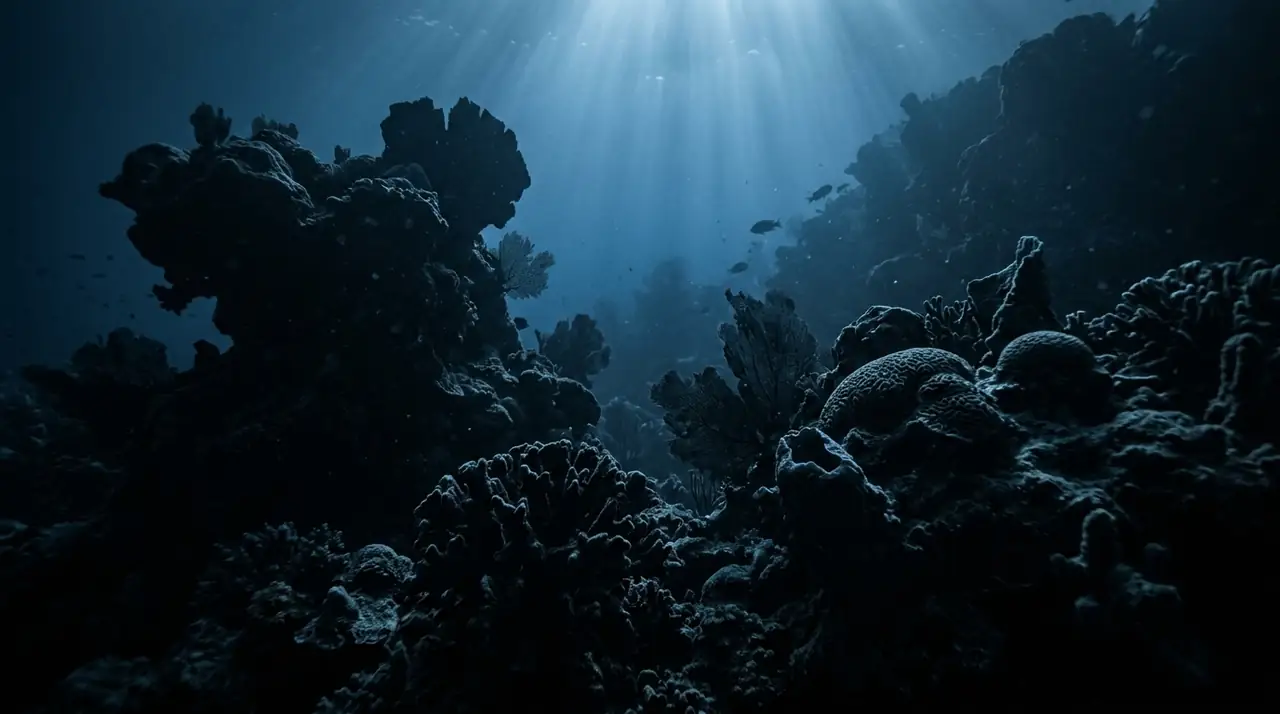
Mangrove Point sits in the channel between Nusa Lembongan and Nusa Ceningan, two small limestone islands off Bali's southeast coast. The channel funnels tidal currents through a narrow gap, creating the nutrient-rich, fast-moving environment that attracts large marine life. This is not a gentle reef cruise — it is a full-commitment drift dive that demands experience and rewards it generously. We timed our entry for the incoming tide and dropped into water that was already moving. Within seconds, the current had us, and the reef floor began scrolling beneath at a pace that felt like riding an underwater escalator. The bottom at 15 to 20 metres is a patchwork of hard corals, sponges, and sandy channels. Then something large shadowed the water above — a reef manta ray, wings spanning three metres, banking into the current with effortless grace. It hung above us for a breathtaking minute before peeling away into the blue. The channel floor is far from empty. Whitetip reef sharks rest on sandy patches between coral outcrops. Schools of oriental sweetlips gather in the lee of larger bommies. Giant trevally cruise the mid-water, occasionally breaking formation to investigate something in the current. Longfin batfish form loose groups near the surface, their disc-shaped bodies wobbling in the flow. As the channel widens toward Lembongan's mangrove coast, the current eases and the dive transitions into relaxed exploration of scattered coral heads. Moray eels peer from holes, green turtles rest on ledges, and bamboo sharks tuck under table corals. The contrast between the adrenaline of the channel drift and the calm of the exit area makes Mangrove Point feel like two entirely different dives. This site is weather and tide dependent. When conditions align, it delivers one of Bali's most exciting dives, combining the rush of genuine current with legitimate big-animal encounters.
Early access
Plan a dive here
Open the DiveOne planner to sketch a recreational plan before you go. It is a planning assistant, not a dive computer.
Marine life
Dive profile
DEPTH PROFILE
DEPTH PROGRESSION & WAYPOINTS: Mangrove Point
Location
Frequently asked questions
How strong are the currents at Mangrove Point?
Currents at Mangrove Point can be very strong, often exceeding two knots and occasionally reaching three. The channel between Nusa Lembongan and Nusa Ceningan funnels tidal flow, creating powerful drift conditions that change with the tides. Dive operators time entries carefully based on tidal predictions and typically deploy surface marker buoys for safety. This is not a site for inexperienced divers — solid buoyancy control and comfort in strong current are essential. Guides will cancel the dive if conditions exceed safe limits.
When is the best time for manta rays at Mangrove Point?
Manta ray sightings at Mangrove Point are most frequent from July through October, coinciding with the dry season and cooler upwelling that brings plankton-rich water through the channel. During these months, reef mantas visit the area to feed on concentrated plankton blooms. Sightings are not guaranteed on every dive, but the probability is highest during morning dives when the current is running and plankton is concentrated. Some operators offer manta-focused itineraries that combine Mangrove Point with nearby Manta Bay.
How do I get to Nusa Lembongan for diving?
Nusa Lembongan is reached by fast boat from Sanur on Bali's southeast coast, with the crossing taking approximately 30 minutes. Multiple boat operators run daily services. Alternatively, many Bali-based dive operators run day trips to Lembongan's dive sites, picking divers up from hotels in the Sanur, Kuta, or Nusa Dua areas. Staying on Lembongan itself gives more flexibility and access to early morning dives before day-trip boats arrive. The island has a range of accommodation from budget to mid-range.
Reviews
Reviews
No reviews yet
Data Provenance
This profile is compiled from 3 operator submissions and 142 community logs. Key facts (depth, entry) are verified against official hydrographic charts.