Malin Head
Overview
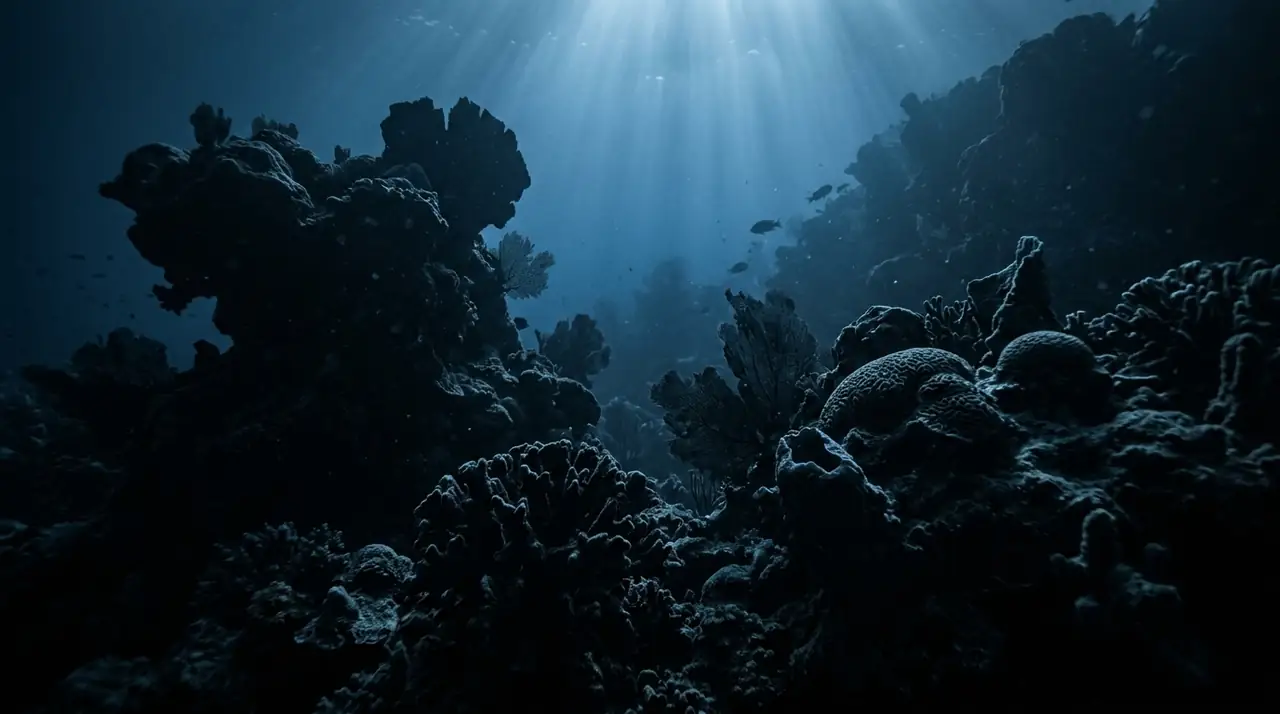
Malin Head is Ireland's most northerly point and one of the most atmospheric dive locations in the North Atlantic. This wild headland on the Inishowen Peninsula in County Donegal looks out across open ocean toward Iceland, and the waters beneath its towering cliffs hide a remarkable diversity of dive sites — from World War-era wrecks lying in deep Atlantic darkness to kelp forests alive with seals and nudibranchs. Diving here is demanding, rewarding, and utterly unlike anything in warmer waters. The wreck diving at Malin Head draws experienced divers from across Ireland and the UK. During both World Wars, the shipping lanes off Donegal were hunting grounds for German U-boats, and the seabed holds the remains of torpedo victims spanning decades. The SS Doreen, a cargo vessel sunk in 1917, sits at a diveable depth with her hull still largely intact, covered in plumose anemones and dead man's fingers that give the wreck an ethereal, ghost-ship quality. Conger eels of impressive size inhabit the darker recesses of the hull, and lobsters crowd every sheltered corner. Deeper wrecks in the 35-metre range and beyond offer technical divers the chance to explore less-visited sites where the marine growth is thicker and the atmosphere more profound. The reef diving around Malin Head is equally compelling. Basalt rock formations drop into kelp forests that sway in the Atlantic surge, creating an underwater forest canopy beneath which cuckoo wrasse display their psychedelic colour patterns and ballan wrasse root among the holdfasts. The nudibranch diversity is exceptional — I photographed seven different species on a single dive, from tiny aeolid nudibranchs with fluorescent cerata to the large and dramatic sea lemons that graze on sponge colonies. Atlantic grey seals are regular dive companions, approaching divers with playful curiosity and sometimes gently mouthing fin tips. Conditions at Malin Head are challenging. Water temperature ranges from 9 to 15 degrees, mandating a drysuit. Visibility varies from 5 to 15 metres depending on recent weather, plankton blooms, and tidal state. Currents can be fierce around the headland, and careful timing with slack water is essential for the more exposed sites. The diving season effectively runs from June to September, when weather windows are most reliable and water temperature peaks. For cold-water divers who appreciate the raw beauty of the North Atlantic — the drama of a seal spiralling through a kelp forest, the eerie silence of a century-old wreck — Malin Head offers some of Ireland's finest and least-crowded diving.
Early access
Plan a dive here
Open the DiveOne planner to sketch a recreational plan before you go. It is a planning assistant, not a dive computer.
Marine life
Dive profile
DEPTH PROFILE
DEPTH PROGRESSION & WAYPOINTS: Malin Head
Location
Frequently asked questions
What wrecks can I dive at Malin Head, Ireland?
Malin Head's waters contain numerous wrecks from both World Wars, including merchant vessels torpedoed by U-boats and at least one documented U-boat wreck. The SS Doreen, a cargo vessel sunk in 1917, is one of the most accessible. Deeper wrecks require technical diving qualifications. Local operators can advise on current conditions and site selection based on your experience level.
What equipment do I need for diving at Malin Head?
A drysuit is essential for diving at Malin Head, where water temperatures range from 9 to 15 degrees Celsius. Most divers use twin-tank configurations for deeper wreck dives. A good-quality torch is important as visibility can be limited and wrecks are in deeper, darker water. Hood, dry gloves, and thermal undergarments are standard for comfort during typical 30-45 minute dives.
When is the best time to dive at Malin Head?
The summer months from June to September offer the best conditions, with warmer water reaching 15 degrees, longer daylight hours, calmer seas, and better visibility. July and August are peak months. Winter diving is possible but challenging, with rough seas, cold temperatures around 9 degrees, and short daylight. Always check weather forecasts and sea conditions before committing to a dive.
Reviews
Reviews
No reviews yet
Data Provenance
This profile is compiled from 3 operator submissions and 142 community logs. Key facts (depth, entry) are verified against official hydrographic charts.