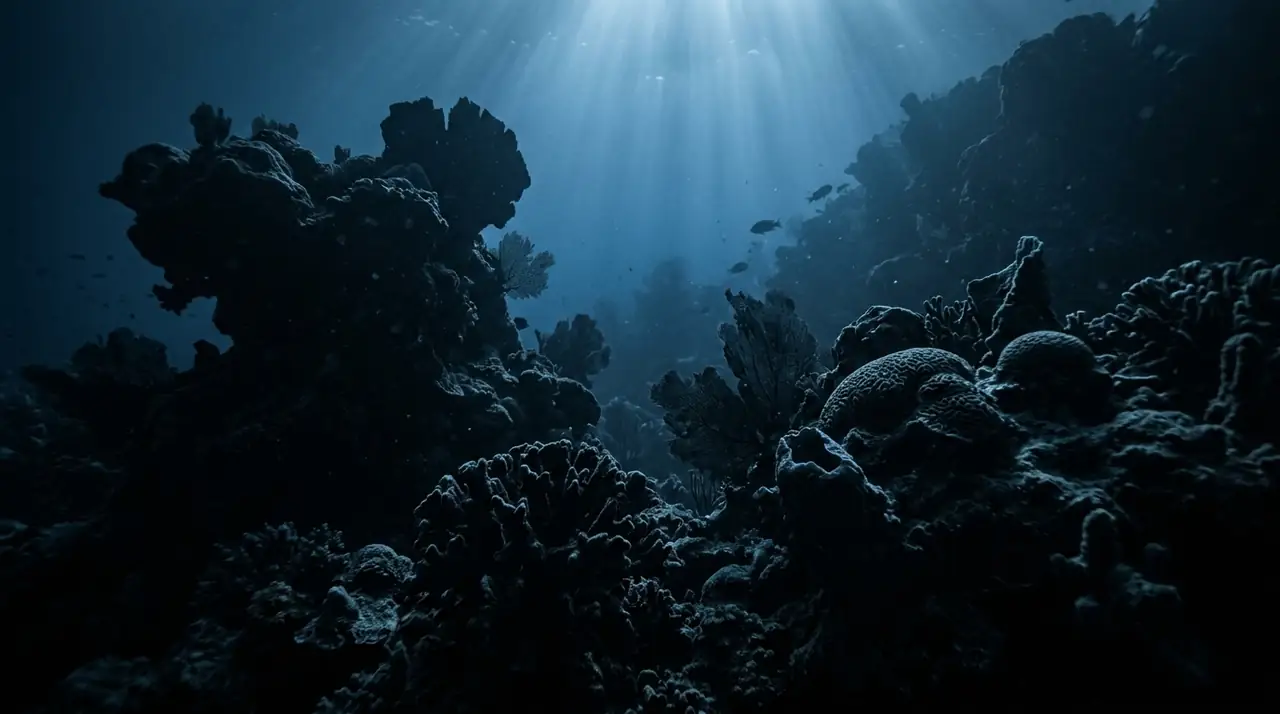
Malapascua Lighthouse Reef
Overview
Malapascua Island draws divers from around the world to Monad Shoal for dawn encounters with thresher sharks, but the island's other dive sites often go overlooked. Lighthouse Reef, a shallow coral plateau on the southeastern side, offers a complete counterpoint to the deep-water drama: intimate, calm, and focused on the small and exquisite creatures that inhabit a rubble-and-coral environment rarely deeper than twenty metres. The site takes its name from the small lighthouse visible on the headland above, a useful surface marker for boat positioning. Below, the reef structure is a mosaic of living coral heads, rubble fields, sand patches, and scattered debris that collectively create one of the Visayas' richest macro habitats. The diversity of microenvironments within a small area concentrates an extraordinary density of critter life. The mandarin fish are the headline act. As daylight fades, these small, spectacularly coloured dragonets emerge from the coral rubble to perform their mating ritual. Males display electric blue and orange patterns, circling potential mates with fins flared. When a pair bonds, they align belly to belly and rise in a brief spiralling ascent, releasing eggs and sperm at the apex before darting back to cover. The entire performance lasts seconds, repeated across the rubble patch by multiple pairs as darkness deepens. Beyond the mandarin fish, Lighthouse Reef rewards patient observation at any hour. Thorny seahorses grip holdfast stems, their textured bodies blending with the surrounding growth. Frogfish sit immobile on sponges, their lures twitching to attract prey. Ghost pipefish hover vertically among crinoid arms. The rubble itself hides blue-ringed octopuses, flamboyant cuttlefish, and nudibranch species that macro photographers travel specifically to Malapascua to document. Night diving amplifies everything. Spanish dancers, the largest nudibranchs in the world, emerge after dark to feed on sponges, their red bodies undulating through the water column when disturbed. Moray eels of several species hunt in the open, their sinuous bodies threading through the rubble with predatory purpose. The reef takes on an entirely different character, and divers who visited only by day would not recognise the site.
Early access
Plan a dive here
Open the DiveOne planner to sketch a recreational plan before you go. It is a planning assistant, not a dive computer.
Marine life
Dive profile
DEPTH PROFILE
DEPTH PROGRESSION & WAYPOINTS: Malapascua Lighthouse Reef
Location
Frequently asked questions
When is the best time to see mandarin fish at Lighthouse Reef?
Mandarin fish are present at Lighthouse Reef year-round, but their famous mating dance occurs exclusively at dusk, typically between 5:15 and 5:45 PM. The males emerge from the coral rubble as light fades and display their vivid colours to attract females. When a pair bonds, they rise together in a brief spiral above the rubble before releasing eggs and sperm simultaneously, then dart back into cover. Dive guides know exactly which rubble patches host the most active populations, and small groups are positioned in advance to observe without disturbing the behaviour.
How does Lighthouse Reef compare to Monad Shoal?
Lighthouse Reef and Monad Shoal represent opposite ends of the Malapascua diving spectrum. Monad Shoal is a deep dive site famous for thresher shark encounters at depth, requiring early morning starts and advanced skills. Lighthouse Reef is shallow, calm, and focused entirely on macro life and critter hunting. Many divers pair a dawn Monad Shoal dive with a late afternoon Lighthouse Reef mandarin fish dive, creating a full day that spans from pelagic encounters to intimate macro observation.
Is Lighthouse Reef good for night diving?
Lighthouse Reef is considered one of the best night dive sites in the Visayas. The shallow depth, minimal current, and sandy bottom create safe and comfortable night diving conditions. After dark, the reef transforms: spanish dancers emerge to feed on sponges, blue-ringed octopuses hunt in the rubble, flamboyant cuttlefish stalk prey across the sand, and various species of moray eel leave their daytime hideouts to forage. Many dive operators offer combination dusk-night dives, starting with the mandarin fish display and continuing into full darkness.
Reviews
Reviews
No reviews yet
Data Provenance
This profile is compiled from 3 operator submissions and 142 community logs. Key facts (depth, entry) are verified against official hydrographic charts.