Mafia Chole Wall
Overview
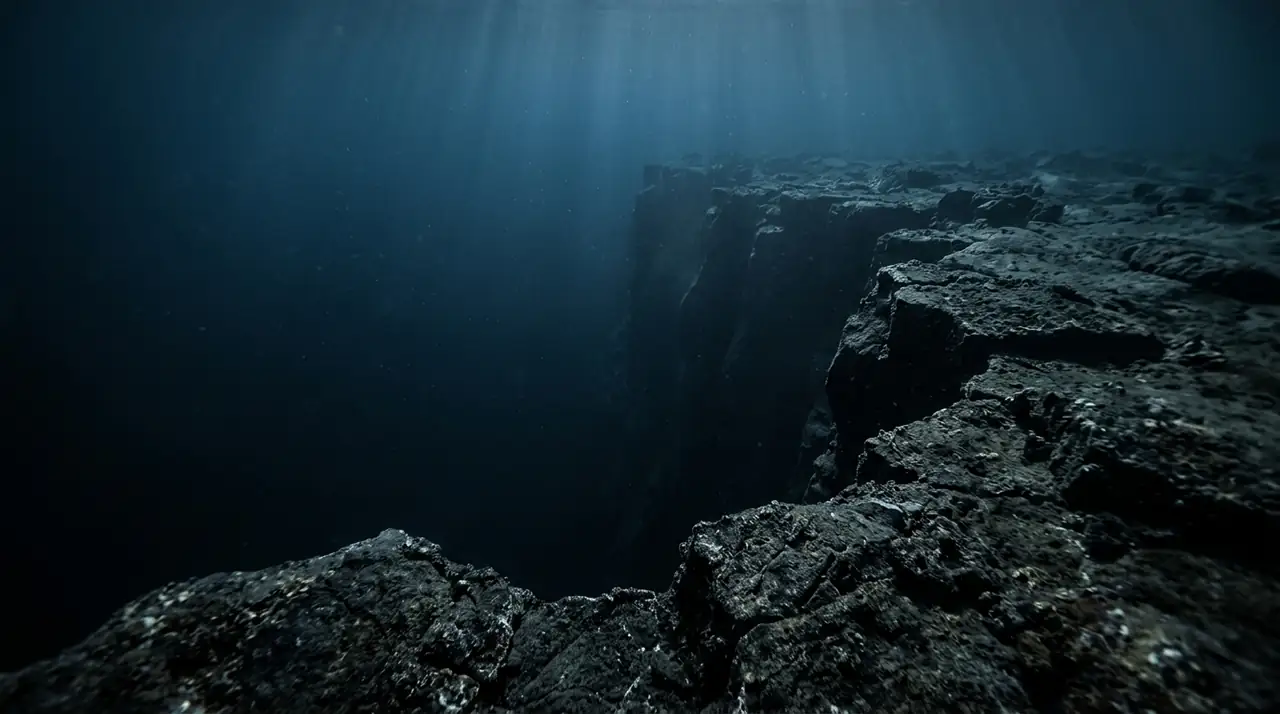
Mafia Chole Wall is the kind of dive that makes you question why anyone dives anywhere else in Tanzania when this exists. Located within the Mafia Island Marine Park in the channel between Chole Island and the outer reef edge, this wall benefits from nutrient-rich tidal flows that support soft coral growth of spectacular density and colour. The result is a living vertical garden dropping from 8 metres to 30 metres, inhabited by large resident fish and visited seasonally by whale sharks feeding in the channel above. Mafia Island sits 150 kilometres south of Zanzibar and receives a fraction of the dive traffic. The marine park, established in 1995, has allowed the reefs to recover from historical dynamite fishing, and the result is coral health that rivals the best sites in the western Indian Ocean. Chole Wall represents the park at its finest: a mature reef ecosystem with the structural complexity and biodiversity that only decades of protection can produce. I descended the wall on a gentle incoming current, the face before me erupting in colour. Dendronephthya soft corals in crimson and orange extended their polyps into the flow, interspersed with yellow leather corals and purple tube sponges. The density of living cover was remarkable, every square centimetre of wall surface occupied by something growing, feeding, or sheltering. A potato grouper the size of a large suitcase emerged from a cave at 18 metres, its spotted body hovering with surprising delicacy given its bulk. It regarded me with the calm intelligence that large groupers develop after years of protection, then retreated slowly into its cave. A Napoleon wrasse of similar confidence cruised the wall edge, its hump-headed profile unmistakable in silhouette. Green turtles were present at multiple points along the wall, resting in alcoves or feeding on the soft growth. A giant moray eel extended fully from its hole, its two-metre body winding across the wall face in an unusual display of movement. Leaf fish clung to gorgonian branches, their camouflage so perfect that only the guide's torch beam revealed them. The wall tells the story of what happens when a reef is genuinely protected for decades. The fish are large, the coral is dense, and the entire ecosystem operates with the confidence of a community that has not been disrupted.
Early access
Plan a dive here
Open the DiveOne planner to sketch a recreational plan before you go. It is a planning assistant, not a dive computer.
Marine life
Dive profile
DEPTH PROFILE
DEPTH PROGRESSION & WAYPOINTS: Mafia Chole Wall
Location
Frequently asked questions
How do I reach Mafia Island?
Mafia Island is reached by small aircraft from Dar es Salaam with daily flights taking approximately 30 minutes. There is also a ferry service from Nyamisati on the mainland, though this is less reliable and takes several hours. Once on Mafia, dive operators are based in the Chole Bay area on the western coast and provide boat transfers to all dive sites. The island has limited tourism infrastructure compared to Zanzibar, which is part of its charm but means booking accommodation and diving in advance is recommended.
When are whale sharks present around Mafia?
Whale sharks visit the waters around Mafia Island primarily between October and February, with peak sightings in November and December. They are attracted by plankton concentrations in the channel between Mafia and the mainland. Encounters typically occur on the surface during dedicated whale shark snorkelling trips rather than on scuba dives, as the sharks feed near the surface. Some dive operators offer combined trips visiting Chole Wall for diving and then searching for whale sharks on the surface.
Is the Mafia Island Marine Park well protected?
The Mafia Island Marine Park was established in 1995 and covers approximately 822 square kilometres including coral reefs, seagrass beds, mangroves, and deep channel waters. Protection is generally effective with park rangers conducting regular patrols and entry fees supporting conservation. Dynamite fishing, which was historically prevalent, has been largely eliminated within the park boundaries. The result is reef health noticeably superior to unprotected areas of the Tanzanian coast. Dive operators contribute to monitoring and some run coral restoration projects.
Reviews
Reviews
No reviews yet
Data Provenance
This profile is compiled from 3 operator submissions and 142 community logs. Key facts (depth, entry) are verified against official hydrographic charts.