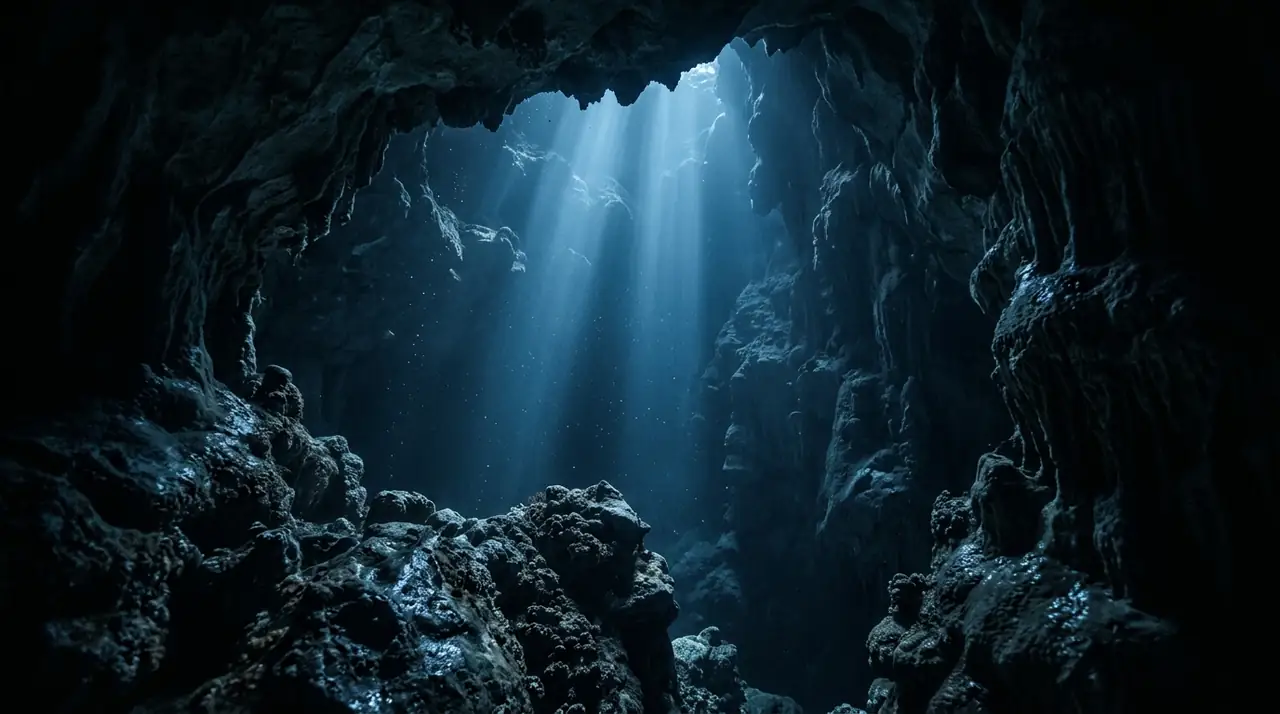
Macajalar Bay
Overview
Macajalar Bay is an emerging dive destination that challenges the assumption that great Philippine diving requires remote islands and long boat rides. This broad, sheltered bay on Mindanao's northern coast, with the bustling city of Cagayan de Oro at its eastern shore, offers surprisingly diverse underwater experiences within 15 to 30 minutes of the city harbour: healthy fringing reefs, World War II wrecks, and seasonal whale shark encounters. Cagayan de Oro is Mindanao's adventure capital, better known for whitewater rafting than diving. But local dive operators have been quietly developing the bay's sites for years, and what they have found rewards exploration. The bay's sheltered position between the Mindanao mainland and the Camiguin volcanic arc creates calm conditions for most of the year, while nutrient inputs support productive reef ecosystems. The fringing reefs along the bay's outer islands are in better condition than their proximity to a major city would suggest. Hard coral coverage on the best sites reaches 60 to 70 percent, with healthy populations of reef fish including schools of fusiliers, surgeonfish, and anthias. The gentle slopes and mild currents make these sites accessible to all certification levels, and the relatively low diver numbers mean the reefs show minimal impact. The WWII wrecks add historical dimension to the bay's diving. Japanese transport vessels sunk by American aircraft during the liberation of Mindanao now rest on sandy bottoms at 18 to 30 metres. Decades of marine colonization have transformed these steel hulks into artificial reefs draped in soft corals and sponges. Schools of batfish orbit the superstructures, moray eels occupy engine room compartments, and scorpionfish perch on railings. The wrecks are at comfortable recreational depths and most can be circumnavigated on a single tank. The whale shark season from February to April brings the bay's most spectacular encounters. These gentle giants follow plankton blooms into the bay's productive waters, sometimes approaching close to shore. When present, they feed at or near the surface, allowing encounters on snorkel as well as scuba. The sightings are wild and unmanaged, a contrast to the controversial feeding stations elsewhere in the Philippines. Macajalar Bay is not a world-class destination in the traditional sense. Visibility is moderate, the reefs are healthy but not extraordinary, and the wrecks are modest in scale. What it offers is accessibility, variety, and the satisfaction of discovering diving where you might least expect it, proving that Mindanao's underwater potential extends far beyond its famous neighbours to the south.
Early access
Plan a dive here
Open the DiveOne planner to sketch a recreational plan before you go. It is a planning assistant, not a dive computer.
Marine life
Dive profile
DEPTH PROFILE
DEPTH PROGRESSION & WAYPOINTS: Macajalar Bay
Location
Near Cagayan de Oro, in the Misamis Oriental region of Philippines.
Frequently asked questions
Is it safe to dive in Cagayan de Oro?
Cagayan de Oro is one of Mindanao's safest and most developed cities, a regional hub for commerce and tourism. The dive sites in Macajalar Bay are well-established and operated by professional dive centers. The bay itself is sheltered and conditions are generally calm. As with all Philippines diving, choosing a reputable operator with proper safety equipment and insurance is important.
What WWII wrecks can be dived in Macajalar Bay?
Several Japanese transport vessels sunk during World War Two rest on the bay floor at depths between 18 and 30 metres. The wrecks are well-colonized by soft corals, sponges, and schools of fish that use the structures as artificial reefs. Penetration is possible on some wrecks for certified wreck divers. The wrecks are in various states of preservation, from largely intact to scattered debris fields.
When do whale sharks appear in Macajalar Bay?
Whale sharks visit the bay primarily from February to April, attracted by plankton blooms triggered by nutrient runoff during the wet-to-dry season transition. Sightings are not daily occurrences but local fishermen report their presence and dive operators respond when animals are spotted. The whale sharks typically feed at or near the surface and encounters can occur from boats or while snorkelling as well as on scuba.
Reviews
Reviews
No reviews yet
Data Provenance
This profile is compiled from 3 operator submissions and 142 community logs. Key facts (depth, entry) are verified against official hydrographic charts.