Los Roques Noronquí Caye
Overview
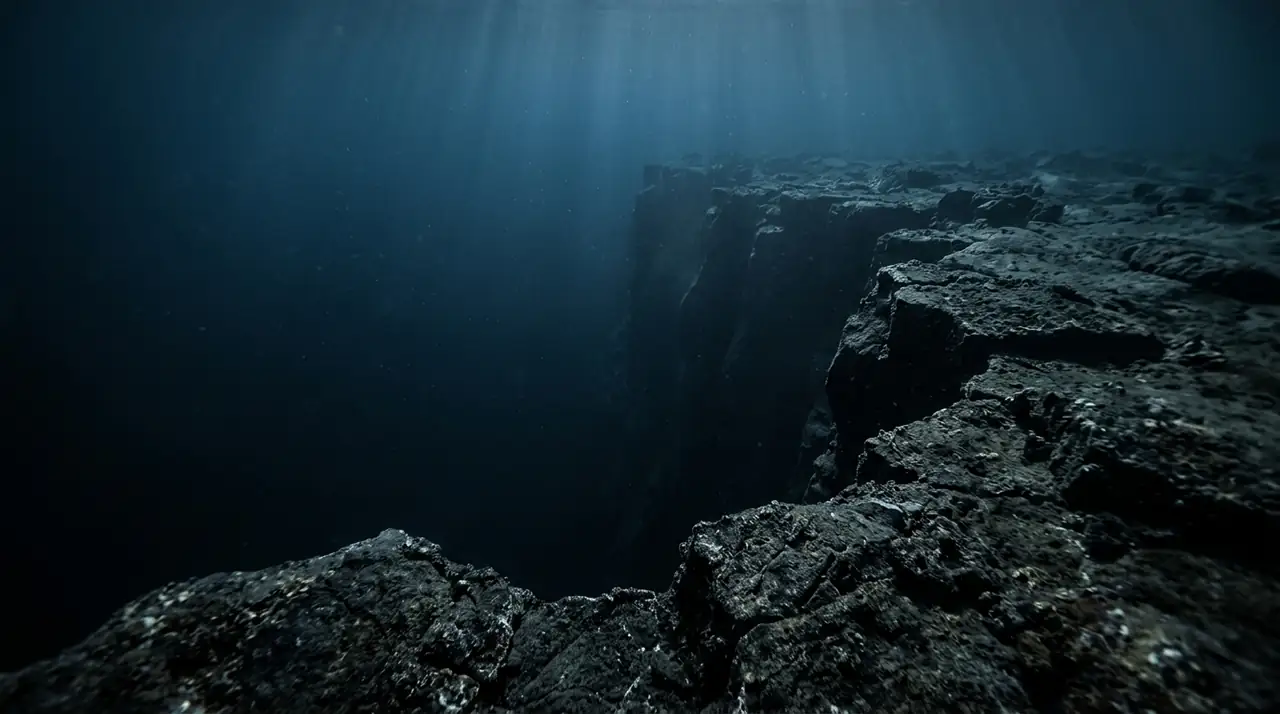
Noronquí Caye sits on the southern perimeter of the Los Roques Archipelago, a Venezuelan national park encompassing over 40 islands scattered across a vast shallow lagoon in the southern Caribbean. While the archipelago is known for its beaches and bonefishing, the outer reef diving at remote cayes like Noronquí offers Caribbean reef conditions that have essentially vanished from more accessible destinations. The boat ride from Gran Roque takes roughly 40 minutes across the shallow lagoon before reaching the outer reef edge. The transition from turquoise shallows to deep blue open Caribbean is abrupt and dramatic. Noronquí's reef drops from white sand shallows into a wall reaching 25 metres before meeting a sandy slope. What strikes you immediately is the coral. Elkhorn and staghorn formations grow in stands and thickets that would have been common across the Caribbean decades ago but have been devastated by disease elsewhere. At Noronquí, these iconic species are thriving, their branching structures creating complex habitat supporting extraordinary fish density. I descended along the reef wall and found myself surrounded by fish in numbers and sizes that recalibrated expectations. Nassau groupers of 10 kilograms held position in coral caves. Queen triggerfish defended nesting territories with characteristic aggression. Schools of blue tang and sergeant majors swarmed across the reef crest in a living carpet of colour. A nurse shark glided along the base of the wall, unbothered by the rare human visitor. Spotted eagle rays are regular visitors drawn by the current-swept edge. Green turtles forage on the reef, and large barracuda patrol the upper water column. The isolation of Los Roques is both its challenge and its treasure. Venezuela's complex situation means visitor numbers are a fraction of what this reef system would attract elsewhere. The result is a Caribbean experience that feels like stepping back in time, a window into what these reefs looked like before mass tourism and overfishing transformed the region.
Early access
Plan a dive here
Open the DiveOne planner to sketch a recreational plan before you go. It is a planning assistant, not a dive computer.
Marine life
Dive profile
DEPTH PROFILE
DEPTH PROGRESSION & WAYPOINTS: Los Roques Noronquí Caye
Location
Near Gran Roque, in the Federal Dependencies region of Venezuela.
Frequently asked questions
How is Noronquí Caye different from Cayo de Agua at Los Roques?
Cayo de Agua is the most visited and photographed caye in Los Roques, known for its spectacular sandbar connecting two small islands. Noronquí Caye sits on the southern edge of the archipelago, further from Gran Roque and exposed to open Caribbean water. The outer reef at Noronquí receives stronger currents that bring clearer water and more pelagic visitors. The coral formations are among the most pristine in the archipelago because the longer boat journey reduces casual diver visits. While Cayo de Agua offers beautiful snorkelling and sheltered conditions, Noronquí provides more advanced reef diving with better chances of encountering larger marine life.
Is it safe to travel to Los Roques for diving given Venezuela's situation?
Los Roques operates somewhat independently from mainland Venezuela's challenges. The archipelago has its own flight connections from Caracas and Porlamar, its own tourism infrastructure of small posadas, and a resident community focused on fishing and tourism. The national park is administered separately and maintains its conservation standards. However, visitors should research current conditions before booking, arrange all logistics through established operators, and carry sufficient cash as electronic payment systems can be unreliable. Most visitors fly directly from Caracas airport and spend their entire trip within the archipelago.
How many dive operators are there at Los Roques?
Los Roques has a very limited diving infrastructure compared to other Caribbean destinations. There are typically one or two active dive operators based in Gran Roque, the only inhabited island in the archipelago. This limited capacity means advance booking is essential, particularly during the December through May high season. The upside of limited operators is that dive sites receive minimal traffic, and guides can offer personalised service with small group sizes. Some posadas can arrange diving as part of accommodation packages.
Reviews
Reviews
No reviews yet
Data Provenance
This profile is compiled from 3 operator submissions and 142 community logs. Key facts (depth, entry) are verified against official hydrographic charts.