Lofoten Islands
Overview
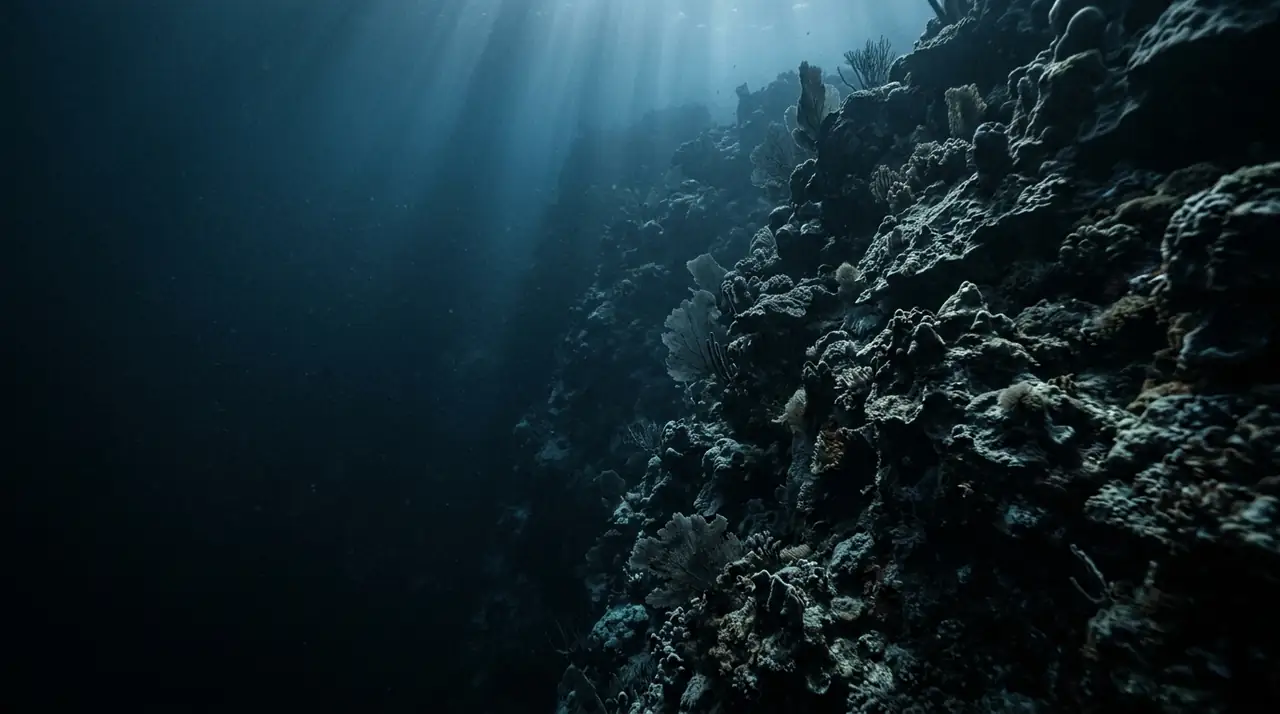
The Lofoten Islands rise from the Norwegian Sea like a ragged mountain chain, their granite peaks and deep fjords creating one of Europe's most striking landscapes. Above the Arctic Circle at 68 degrees north, these islands are better known for fishing villages and northern lights, but beneath their frigid waters lies an underwater world of extraordinary beauty slowly earning recognition among cold-water diving enthusiasts. The diving is defined by contrasts. In summer, the midnight sun paints the underwater world in soft amber light for 24 continuous hours, illuminating kelp forests that stretch upward like cathedrals. Dense Laminaria kelp grows to three metres, creating a canopy sheltering wolffish, cod, and enormous king crabs. The granite walls of the fjords drop steeply, encrusted with cold-water corals, hydroids, and anemones in colours that seem improbable this far north. In winter, the character transforms. From October through January, vast shoals of herring migrate into the fjords, pursued by pods of orcas and humpback whales. Being in the water as these apex predators coordinate hunting strategies — corralling herring into tight bait balls and striking with explosive force — transcends ordinary diving. Most whale encounters are conducted as snorkelling rather than scuba, allowing faster entry and exit as the action moves rapidly. Water temperatures range from 4 degrees in winter to 14 in summer. A properly configured drysuit with heavy thermal protection is essential. Visibility can reach 20 to 30 metres in the right conditions, particularly during early summer. Dive operators in Svolvær and Henningsvær offer boat dives year-round. Lofoten is not for casual divers, but for those drawn to wild, remote underwater environments where nature remains emphatically in charge, it is unmatched.
Early access
Plan a dive here
Open the DiveOne planner to sketch a recreational plan before you go. It is a planning assistant, not a dive computer.
Marine life
Dive profile
DEPTH PROFILE
DEPTH PROGRESSION & WAYPOINTS: Lofoten Islands
Location
Frequently asked questions
Can I dive with orcas in Lofoten?
Yes, but orca encounters in Lofoten are primarily snorkelling-based rather than scuba diving. From October through January, large pods of orcas and humpback whales follow the herring migration into the fjords around Lofoten and nearby Tromsø. Specialised operators offer snorkelling trips where you enter the water near feeding whales. The experience is breathtaking but requires comfort in cold water at 5 to 7 degrees Celsius and the understanding that wildlife encounters are never guaranteed.
What is midnight sun diving like in Lofoten?
Diving under the midnight sun is a unique Arctic experience available from late May through mid-July when the sun never sets above the Arctic Circle. The extended light creates unusual underwater conditions with soft golden illumination throughout the night hours. Kelp forests glow with an otherworldly quality, and marine life behaves differently without the normal day-night cycle. The water is at its warmest during this period at around 10 to 14 degrees.
What experience level do I need for diving in Lofoten?
Most Lofoten dive sites are suitable for intermediate divers with cold-water and drysuit experience. The wall dives involve depths of 20 to 35 metres with moderate currents, and the remote locations mean self-reliance is important. Advanced Open Water certification with drysuit training is the practical minimum. Some operators welcome experienced Open Water divers for sheltered sites, but prior cold-water diving experience is strongly recommended.
Reviews
Reviews
No reviews yet
Data Provenance
This profile is compiled from 3 operator submissions and 142 community logs. Key facts (depth, entry) are verified against official hydrographic charts.