Little Belt Bridge
Overview
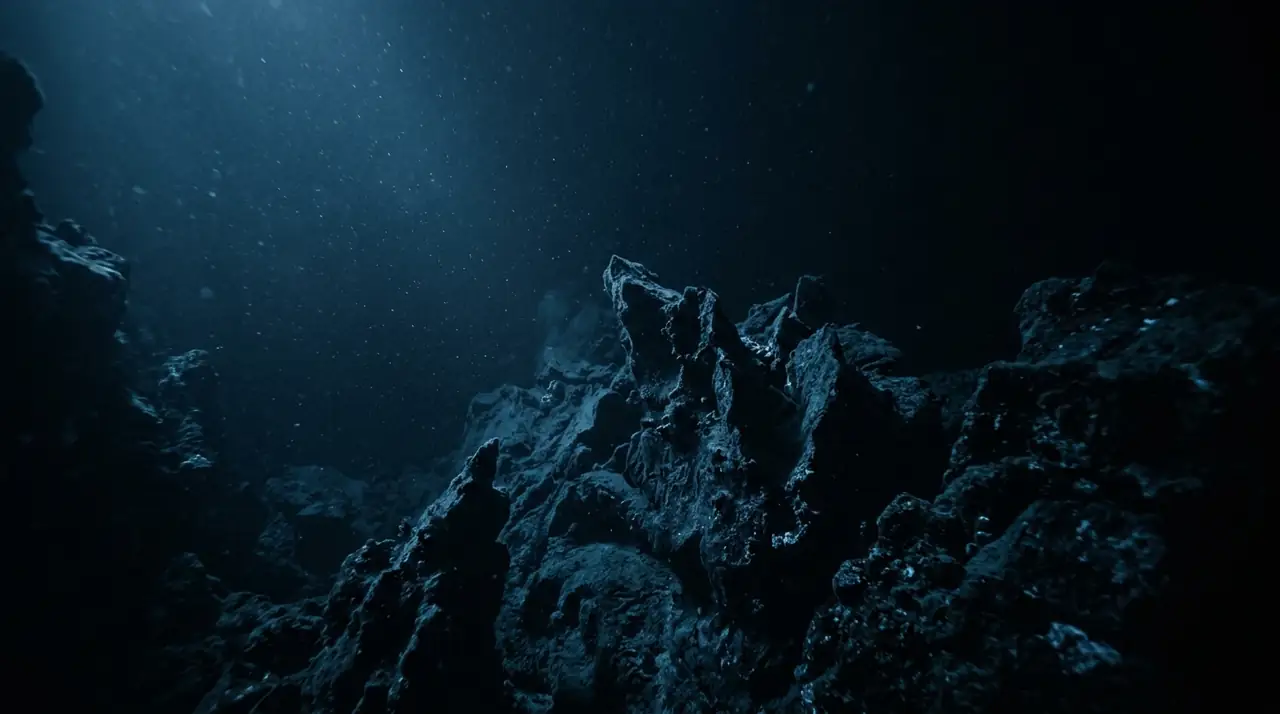
The Little Belt is the narrowest of the three Danish straits connecting the Baltic Sea to the Kattegat, and at its tightest point near Middelfart the channel squeezes to barely 800 metres wide. That compression creates powerful tidal currents that funnel enormous volumes of nutrient-rich water through a relatively shallow passage, fuelling one of northern Europe's most productive marine ecosystems. The old Little Belt Bridge spans the narrowest section, and beneath its pillars lies some of the best cold-water diving in Scandinavia. I entered from the rocky shore on a July morning, timing my descent to the twenty-minute slack window that my guide had calculated from the tide tables. The current was already softening as I dropped below the surface into a world of swaying sugar kelp. The kelp forest here is extraordinary. Thick fronds grow from every boulder, creating corridors of amber and olive that ripple even in minimal flow. Blennies and gobies darted between the holdfasts, and a large edible crab backed deeper into a crevice as my light found it. At twelve metres the kelp gave way to mussel-encrusted rock and scattered boulders colonised by dead man's fingers soft coral. A school of saithe numbering easily two hundred fish materialised from the green water, circled the boulder field in a tight column, and vanished. Atlantic cod lurked beneath overhangs, their mottled flanks blending perfectly with the stony substrate. I spotted three individuals over a metre long, a size rarely seen in heavily fished areas but still common in this protected section of the Belt. The deeper channel bottom at around 25 metres was a plain of fine sediment dotted with hermit crabs and occasional flatfish. Visibility fluctuated between eight and fifteen metres depending on tidal phase, and the light filtering through the green water gave everything a cathedral-like quality. On the ascent I paused in the kelp zone and watched garfish patrol the canopy above me, their elongated silver bodies catching fragments of sunlight.
Early access
Plan a dive here
Open the DiveOne planner to sketch a recreational plan before you go. It is a planning assistant, not a dive computer.
Marine life
Dive profile
DEPTH PROFILE
DEPTH PROGRESSION & WAYPOINTS: Little Belt Bridge
Location
Frequently asked questions
How strong are the currents at Little Belt and when should I dive?
The Little Belt is one of the narrowest straits in Denmark and the tidal currents can exceed three knots at peak flow. Diving is only safe during slack tide windows, which last roughly 30 to 45 minutes. Local dive centres publish daily slack tide predictions and most guided dives are timed precisely to these windows. You must carry a surface marker buoy and many divers use a reef hook for the deeper sections. An advanced open water certification and experience with current diving are strongly recommended.
Can I see harbour porpoises while diving at Little Belt?
The Little Belt hosts one of the densest populations of harbour porpoises in the world, with an estimated 3,000 animals using the strait. While they are occasionally seen underwater, sightings are more reliable from the surface during intervals. The best porpoise months are June through August when mothers bring calves into the shallow, fish-rich waters. The Middelfart area has a dedicated porpoise research station and several operators offer combined snorkelling and porpoise observation trips.
What exposure protection do I need for diving at Little Belt?
Water temperatures in the Little Belt range from around 4 degrees Celsius in winter to 18 degrees in summer. Most divers wear a drysuit year-round, though a thick 7-millimetre wetsuit is workable during July and August. A hood, gloves, and boots are essential even in summer as the deeper water below 15 metres stays noticeably colder. Danish dive shops in Middelfart rent drysuits and can arrange guided dives with full equipment for visiting divers.
Reviews
Reviews
No reviews yet
Data Provenance
This profile is compiled from 3 operator submissions and 142 community logs. Key facts (depth, entry) are verified against official hydrographic charts.