Linapacan Island
Overview
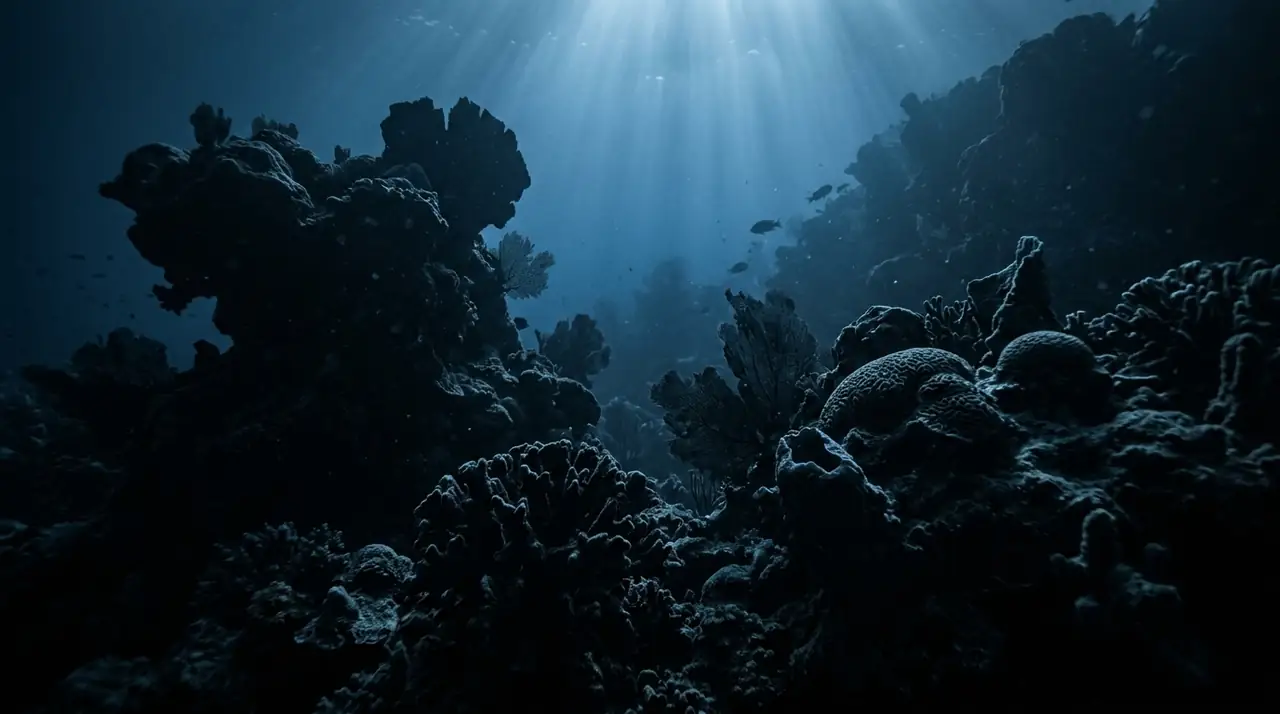
Linapacan Island sits in a scattered archipelago of limestone karsts midway between El Nido and Coron in northern Palawan, offering what may be the most visually stunning underwater environment in the Philippines. The water clarity here is legendary, with visibility routinely reaching 30 to 40 meters. Combined with reefs largely spared from fishing pressure, Linapacan delivers diving that feels like stepping into a different era of the marine world. I reached Linapacan on the second day of an island-hopping expedition from El Nido. Nothing prepared me for the moment I slipped beneath the surface. The water was so clear that I could see the reef in perfect detail from the boat. Once underwater, the absence of particulate matter and the brilliant white sand bottom created a clarity that made me feel suspended in air rather than water. Colors appeared more vivid, edges sharper than at any dive site I had visited. The reefs are a mosaic of hard and soft coral formations covering gentle slopes from 3 to 30 meters. Hard coral diversity is exceptional, with massive table corals, branching formations, and boulder corals supporting complex three-dimensional structure. Giant clams of impressive size sit wedged between coral heads, their mantles displaying iridescent blues and greens. Marine life benefits from the area's remoteness. Sea turtles are common and approachable, blacktip reef sharks cruise the reef edge, and schools of barracuda patrol the blue water beyond. Napoleon wrasse make periodic appearances, and the macro life includes nudibranchs, sea snakes, and various crustaceans. What truly sets Linapacan apart is the complete absence of dive infrastructure. There are no dive shops, no mooring buoys, no other divers. You are genuinely alone with the reef, making decisions based on what looks interesting from the surface. For experienced divers seeking the Philippines' last truly unspoiled reef environments, Linapacan represents something increasingly precious.
Early access
Plan a dive here
Open the DiveOne planner to sketch a recreational plan before you go. It is a planning assistant, not a dive computer.
Marine life
Dive profile
DEPTH PROFILE
DEPTH PROGRESSION & WAYPOINTS: Linapacan Island
Location
Frequently asked questions
Why is Linapacan called the clearest water in the Philippines?
Linapacan's waters have been measured with visibility exceeding 40 meters in optimal conditions, comparable to the world's clearest oceanic waters. Several factors contribute: the archipelago's remote location limits sediment runoff and pollution, the limestone islands filter rainfall before it reaches the sea, and the area's limited boat traffic keeps the water undisturbed. The white sand bottoms reflect light upward, creating a luminous clarity that makes underwater objects appear almost hyper-real.
How do I reach Linapacan for diving?
Linapacan is located roughly midway between El Nido and Coron in northern Palawan. There are no direct tourist services to the islands. Access is via expedition boats operating island-hopping routes between El Nido and Coron, typically three to four day journeys that include camping on beaches and diving or snorkeling at multiple islands. Some private boat charters from El Nido offer dedicated diving trips. A few basic homestays exist on Linapacan Island itself, though dive infrastructure is minimal.
Is there a chance of seeing dugongs at Linapacan?
Dugong sightings around Linapacan are rare but documented. The seagrass beds between the islands provide habitat for these endangered marine mammals, and local fishermen report occasional sightings. However, dugongs are extremely shy and encounters while diving are uncommon. The more reliable marine life encounters include sea turtles, reef sharks, and the exceptional coral reef communities for which the area is known.
Reviews
Reviews
No reviews yet
Data Provenance
This profile is compiled from 3 operator submissions and 142 community logs. Key facts (depth, entry) are verified against official hydrographic charts.